
The Death of the Default: Why We Are Returning to the Ceremony of Style
There was a period, not too long ago, where the world seemed to agree on a singular trajectory: the path of least resistance. We collectivey decided that convenience was the ultimate luxury. Silicon Valley moguls made the grey t-shirt a symbol of intellectual efficiency, and the rest of us followed suit, gradually stripping away the layers of formality that once defined our social lives. We told ourselves that dressing down was a sign of authenticity—that the “real” us didn’t need the artifice of a structured shoulder or a polished shoe. But as the lines between our bedrooms, our offices, and our social haunts blurred into one beige smudge, we lost something vital. We lost the ability to distinguish the moment.
Lately, however, there is a subtle but undeniable shift occurring in the corners of our most vibrant cities. It isn’t a return to the stuffiness of our grandfathers’ era, but rather a reclamation of effort as a form of self-respect. We are tired of looking like we just stepped out of a gym or a nap. There is a growing movement of men who realize that when you refuse to dress for an occasion, you aren’t being “authentic”—you are being forgettable.
The Psychological Shift of the Twilight Hour
The transition from day to night used to be marked by a physical transformation. It was a sensory cue to the brain that the labor of the day was done and the pleasures of the evening were beginning. When we stopped changing our clothes for dinner or the theater, we accidentally sabotaged our ability to relax. By staying in our daytime “uniform,” the mental stress of the workday followed us into the bar, the restaurant, and the gala.
Psychologists often speak about “enclothed cognition,” the idea that the clothes we wear trigger specific mental states. A structured jacket doesn’t just change how others see you; it changes how you hold yourself. It narrows your focus, squares your frame, and demands a certain level of presence. This isn’t about vanity; it’s about setting the stage for an experience. If you want a night to be extraordinary, you cannot enter it looking ordinary.
Textures that Only Breathe in the Dark
Daylight is harsh and revealing; it demands practical fabrics that can withstand the commute and the fluorescent hum of the office. But the evening belongs to a different palette of materials. This is where the subtle interplay of light and shadow comes to life. A midnight blue wool that appears black until the light hits it just right, or the tactile depth of a velvet that seems to drink in the ambient glow of a room—these are choices made for the connoisseur of the moment.
It is about finding that perfect balance between historical reverence and modern relevance. Brands like Suitsupply have mastered this equilibrium, offering atuxedo“> tuxedo that feels less like a restrictive costume and more like a high-performance tool for the modern social landscape. Their approach proves that formal wear can be as comfortable and sharp as a second skin when the construction is handled with expertise.
Beyond the Minimum Requirement
We have been conditioned to look at “Black Tie” or “Formal” on an invitation as a chore—a hurdle to be cleared with as little effort as possible. This is a fundamental misunderstanding of the social contract. A dress code isn’t a restriction; it’s a gift. It is a collective agreement to elevate the environment for everyone involved. When everyone in a room makes the effort to look their best, the energy of the entire evening shifts. The conversation becomes sharper, the atmosphere feels more deliberate, and the memories become more vivid.
The man who shows up in a dark suit to a black-tie event isn’t a rebel; he’s just the person who didn’t understand the assignment. There is a profound power in being part of a collective aesthetic. It creates a sense of belonging to something larger than oneself. In an age of radical individualism, there is something strangely liberating about adhering to a tradition that has stood the test of time.
The Architecture of a Lasting Impression
Structure is the silent language of authority. A well-canvassed jacket does what nature often fails to do: it creates an idealized silhouette. It broadens the chest, nips the waist, and provides a clean line from the ear to the shoulder. This visual geometry is why the dinner jacket has remained the gold standard for over a century. It is an architectural feat draped in cloth.
While fashion trends move at the speed of a thumb-swipe, style moves at the pace of a lifetime. The investment in a proper evening ensemble is an investment in your future self. It is the assurance that five, ten, or twenty years from now, you won’t look at a photograph and cringe at a passing fad. Instead, you will see a man who understood the gravity of the occasion and chose to meet it head-on.
Relearning the Art of the Appearance
As we move back into a world that values physical gathering, the “art of the appearance” is becoming a competitive advantage. In a sea of casual indifference, the man who knows how to navigate the nuances of formal wear stands out without having to say a word. It signals a level of discipline and attention to detail that translates to every other area of life.
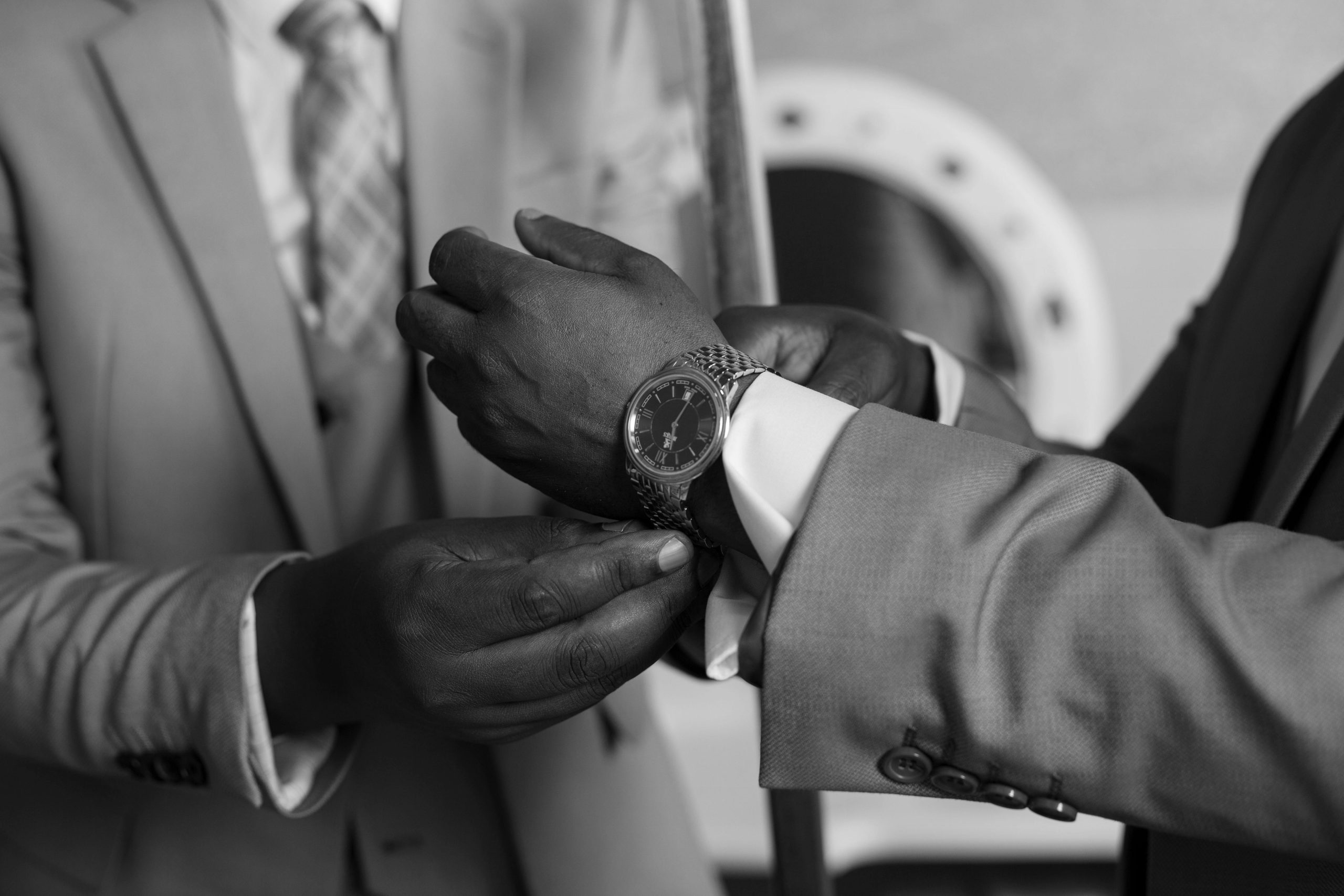
We are entering a new era of celebration. After years of isolation and digital fatigue, the desire to gather in person is stronger than ever. But more than just gathering, we want to commemorate. We want to make the nights count. That starts with the ritual of the dressing room—the moment you adjust your cuffs, fix your collar, and step out into the night, ready for whatever the dark hours may bring. The evening is waiting, and it demands that you show up as your most elevated self. Alongside this sense of personal expression, creative hobbies like decoupage also celebrate attention to detail, allowing everyday objects to be transformed into something more meaningful and visually refined.