
The Ingenious Solution to Dynamic Living Spaces: Extendable Coffee Tables
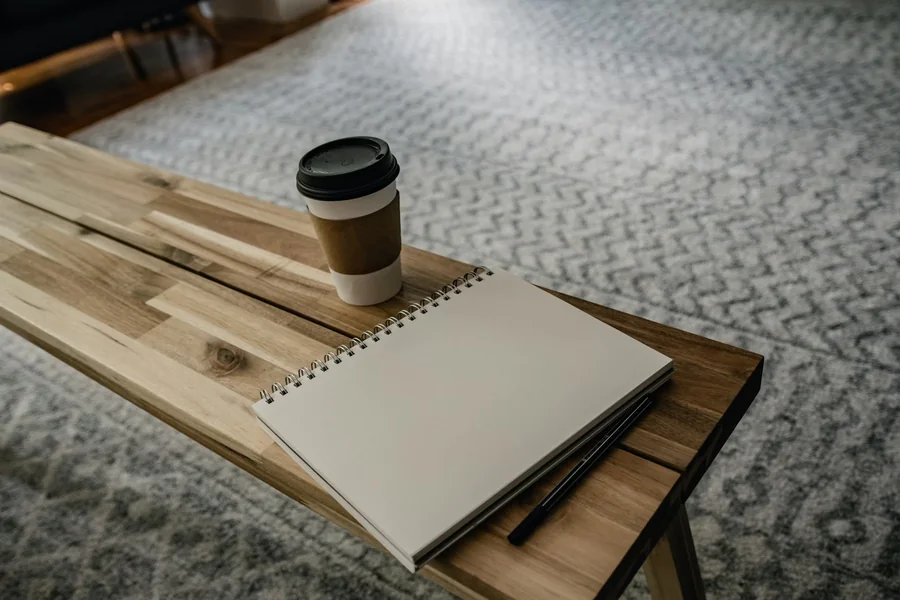
Urban living often requires furniture that is both practical and adaptable. As apartment sizes shrink and multifunctional lifestyles grow, homeowners increasingly look for pieces that offer versatility without sacrificing design. Among the most effective solutions are extendable coffee table, which combine practicality, visual appeal, and adaptability in a single piece of furniture. Their presence in contemporary homes demonstrates how thoughtful design can transform everyday spaces.
Adaptability in Modern Interiors
Living spaces with limited square footage demand furniture capable of performing multiple roles. Extendable coffee tables excel in this capacity. They transform from a modest, unobtrusive table into a spacious surface suitable for dining, working, or hosting guests. In doing so, they provide a level of flexibility that static tables cannot match, allowing homeowners to adjust their living environment as circumstances change.
The compact form of these tables is particularly valuable in smaller apartments, where floor space must be used efficiently. When extended, the table accommodates more users and functions, offering a practical solution for those who wish to combine leisure, work, and social activities in a single area. By adjusting to meet the needs of the moment, extendable tables offer a smarter approach to interior organisation.
The Evolution of Coffee Tables
Coffee tables have been a fixture of living rooms since the Victorian era. Initially designed as a simple surface for serving beverages, these tables have evolved into multifunctional furniture with diverse uses. Contemporary designs frequently integrate storage compartments, display areas, and even technological features, reflecting a shift in how people interact with their living spaces.
The rise of extendable designs represents a significant step in this evolution. Mechanisms that allow for seamless adjustment of size and height demonstrate how furniture can adapt to changing lifestyles. What was once a stationary element has become a versatile centrepiece, accommodating a range of activities without compromising style.
Engineering Meets Design
The appeal of extendable coffee tables extends beyond appearance. The mechanisms behind their transformation are products of careful engineering, designed to operate smoothly and safely. Some tables feature lift-top surfaces that rise to a comfortable height for eating or working, while others use slide-and-expand systems where additional sections are drawn out from beneath the main surface. These approaches maintain stability while increasing functional space.
Quality construction and durable materials are central to the performance of these tables. Precision in the movement of sliding panels or lifting surfaces prevents malfunction and provides a dependable experience over time. When coupled with thoughtful design, these engineering solutions produce a product that balances usability and elegance.
Materials and Visual Impact
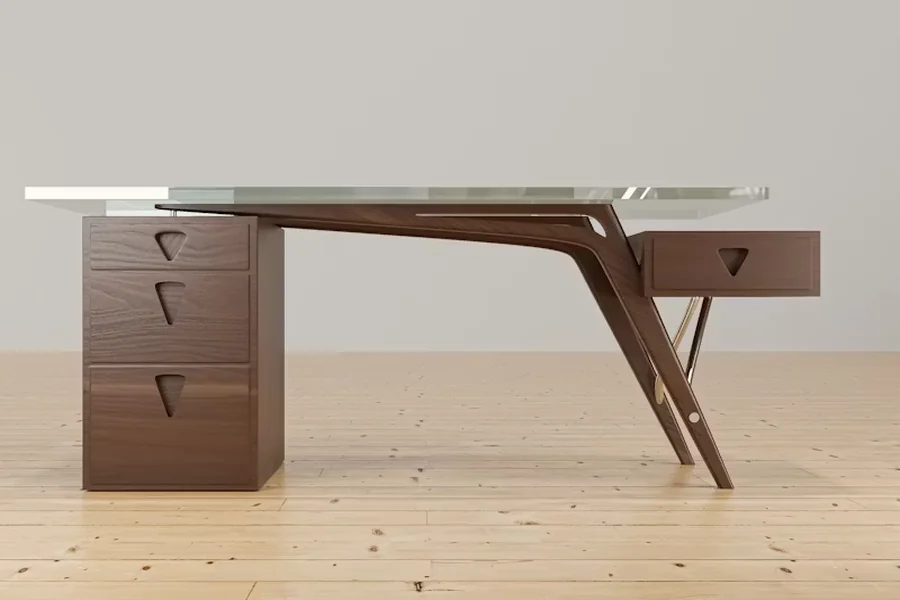
The materials used in extendable coffee tables greatly influence their aesthetic and practical qualities. Solid timber offers a classic, enduring appeal, while engineered wood provides a lighter, more cost-effective alternative. Glass surfaces create a sense of openness and can make a compact room feel more expansive. Metal elements, whether structural or decorative, add modern flair and robustness.
Choosing the right material allows homeowners to complement existing interiors while benefiting from the functional advantages of an extendable table. The visual effect of a well-crafted table contributes to a sense of harmony in a living space, making it a focal point rather than a mere accessory.
Sustainable Choices
Environmental awareness has prompted a shift in consumer preferences toward furniture that minimises waste and reduces resource consumption. Extendable coffee tables address this concern by consolidating the functions of multiple pieces into a single unit. This approach decreases the need to purchase extra tables, lowering the environmental impact associated with production and disposal.
Many manufacturers are adopting sustainable sourcing practices, using responsibly harvested wood or recycled components, and refining production methods to reduce waste. Choosing furniture built to last and designed for multifunctionality aligns with a more conscious approach to home living, supporting long-term sustainability goals.
Personalisation and Style
Contemporary buyers often seek options that reflect personal taste. Extendable coffee tables cater to this desire through a variety of finishes, colours, and design details. Certain models allow for interchangeable parts, giving owners the flexibility to refresh the table’s appearance as preferences shift.
This capacity for customisation allows the table to fit seamlessly into diverse interior schemes, whether minimalist, traditional, or industrial. By integrating functional adaptability with stylistic versatility, these tables satisfy practical needs while contributing to the character of a room.
Flexibility as a Lifestyle Investment
Investing in an extendable coffee table represents a commitment to flexible living. These tables support a dynamic lifestyle, where spaces must respond to different activities and social arrangements. As households grow, shrink, or repurpose rooms, the furniture adapts without requiring additional purchases or major adjustments.
Beyond immediate convenience, this adaptability contributes to a more organised and efficient living environment. It reduces clutter, optimises the use of available space, and provides a reliable solution for accommodating guests, work tasks, or family activities. In this sense, the extendable table acts as both a functional tool and a stabilising element within the home.
Conclusion
Extendable coffee tables exemplify how thoughtful design can address modern living challenges. Their ability to transition between compact and expanded forms makes them suitable for diverse activities and variable spatial conditions. Durable construction, elegant materials, and mechanisms designed for smooth operation ensure that they perform reliably over time.
These tables also respond to the growing demand for sustainable and long-lasting furniture, supporting households that prioritise environmental responsibility. Opportunities for personalisation allow them to align with individual style, further integrating them into the home environment.
Ultimately, the extendable coffee table embodies a balance of style, practicality, and adaptability. Its presence in a living space not only provides a functional surface but also promotes an organised, versatile environment that can evolve with the needs of those who inhabit it. For modern homes seeking to combine aesthetic appeal with practical solutions, this furniture piece represents a sophisticated and forward-looking choice.