
The Role of Cloud-Based ERP Solutions in Modern Smes
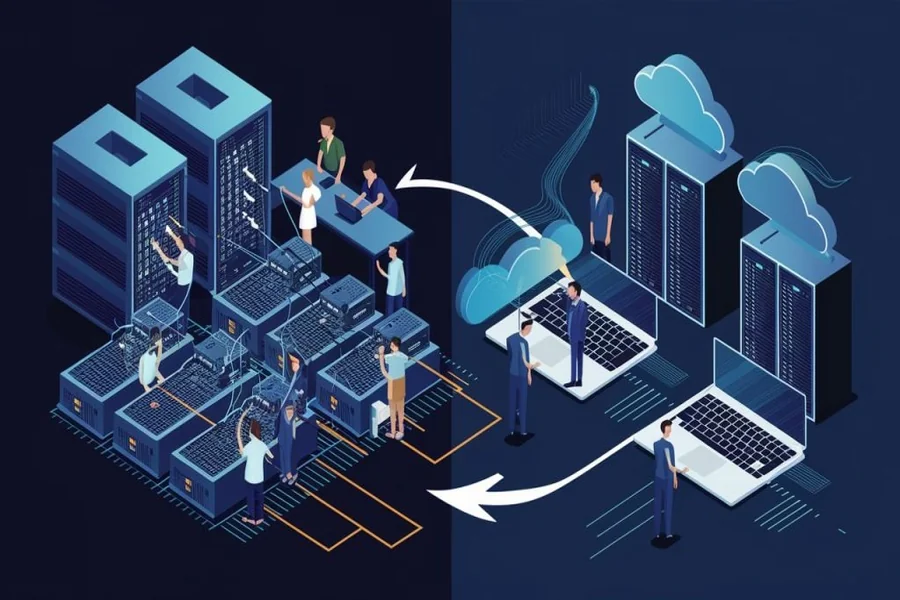
In today’s fast-paced business environment, small and medium-sized enterprises (SMEs) face numerous challenges, from managing finances and operations to staying ahead in an increasingly competitive market. One of the critical tools that have emerged to aid these businesses is cloud-based ERP (Enterprise Resource Planning) solutions. These systems integrate various business processes, providing a centralized platform for efficient operations. The adoption of cloud-based ERP solutions enables SMEs to streamline their operations, reduce costs, and improve decision-making by providing real-time data access. This article explores the role cloud-based ERP solutions play in the success and growth of modern SMEs.
THE EVOLUTION OF ERP SYSTEMS
ERP systems have significantly evolved over the years. Originally, ERP solutions were only accessible to large corporations due to their high cost and complexity. However, the advent of cloud technology has democratized access to ERP systems, making them more affordable and flexible for SMEs. Traditional ERP systems required significant IT infrastructure and personnel to manage them. In contrast, cloud-based ERP solutions eliminate the need for on-premise servers and extensive IT staff, as the software is hosted on the vendor’s cloud servers. This shift not only reduces upfront costs but also provides scalable resources that grow with the business, ensuring SMEs can adapt quickly to changing market demands.
Moreover, cloud-based ERP systems offer SMEs the ability to integrate seamlessly with other cloud applications. They enable real-time data analysis and collaboration across different departments, regardless of location. This means that employees can access critical business information and perform necessary tasks from anywhere, providing a flexible work environment that is essential in this digital age. The increased accessibility and integration capabilities offered by cloud ERP solutions empower SMEs to improve their operational efficiency significantly.
BUSINESS CENTRAL SUPPORT SERVICES: A HELPFUL RESOURCE FOR SMES
As SMEs adopt cloud-based ERP solutions like Microsoft Dynamics 365 Business Central, the need for effective support services becomes paramount. Business central support services play a crucial role in helping businesses implement, customize, and maintain this powerful ERP solution. By leveraging expert assistance, SMEs can ensure their ERP systems are optimized for their specific needs.
These support services encompass a wide range of offerings, including installation, system upgrades, and training for employees. They also provide ongoing technical support to resolve any issues that arise, minimizing downtime and ensuring the ERP system functions smoothly. Additionally, support services assist SMEs in customizing the ERP solution to meet industry-specific requirements, enabling them to gain a competitive advantage. By providing expert guidance and support, business central support services help SMEs fully capitalize on the capabilities of their cloud-based ERP systems, enhancing productivity and fostering business growth.
COST-EFFECTIVENESS AND SCALABILITY
One of the most significant benefits of cloud-based ERP solutions for SMEs is their cost-effectiveness and scalability. Traditional ERP systems required substantial capital investment for hardware, software licenses, and IT infrastructure, making them prohibitive for smaller businesses. Cloud-based solutions, however, follow a subscription-based model, allowing SMEs to pay only for the services they use. This model reduces upfront expenses and aligns operational costs with business growth.
Scalability is another advantage of cloud ERP systems. As SMEs grow and their operational needs evolve, cloud-based solutions can easily expand to accommodate increased demand. Businesses can add new users, modules, and features without significant disruptions or additional infrastructure investments. This scalability ensures that SMEs can remain agile and responsive to changing market conditions, giving them a competitive edge.
IMPROVED DATA SECURITY AND COMPLIANCE
Data security is a primary concern for businesses of all sizes, and SMEs are no exception. Cloud-based ERP solutions offer robust security measures to protect sensitive business information. Reputable ERP vendors invest heavily in advanced security technologies, including data encryption, multi-factor authentication, and regular security audits, to ensure their customers’ data is safe from cyber threats.
Moreover, cloud-based ERP systems provide SMEs with assistance in maintaining compliance with industry regulations and standards. Regular software updates and security patches by the ERP vendor help businesses adhere to the latest compliance requirements. By entrusting data security to dedicated experts, SMEs can focus more on their core competencies without the added burden of managing IT security, giving them peace of mind and allowing them to concentrate on growth and innovation.
ENHANCED CUSTOMER RELATIONSHIP MANAGEMENT (CRM)
Maintaining strong relationships with customers is essential for the success of any SME. Cloud-based ERP solutions often include integrated CRM functionalities, allowing businesses to manage customer data, sales, and service information within a single platform. This integration simplifies the sales process and enhances the customer experience by providing SMEs with a holistic view of their customers.
By leveraging CRM features within a cloud ERP system, SMEs gain insights into customer preferences and behaviors, enabling them to tailor their products and services to meet specific needs. Improved customer service leads to increased customer satisfaction and loyalty, driving repeat business and ultimately contributing to revenue growth.
INCREASED OPERATIONAL EFFICIENCY
Cloud-based ERP solutions are designed to streamline business processes and improve operational efficiency. By automating repetitive tasks and reducing manual data entry, these solutions minimize the risk of errors and free employees to focus on more strategic activities. Integrated modules, such as finance, human resources, and supply chain management, facilitate seamless communication and collaboration across departments.
In addition, cloud-based ERP systems provide real-time data visibility, empowering SMEs to make informed decisions quickly. By accessing accurate and up-to-date information, businesses can respond promptly to changing market conditions and optimize their operations for maximum efficiency. In a similar way that businesses use these tools to gain a competitive edge in operations, many digital creators and brands choose to buy views for Youtube to gain an edge in visibility, helping their content achieve the social proof needed to stand out in a crowded digital marketplace.
Enhanced operational efficiency allows SMEs to reduce costs, improve productivity, and drive growth.
THE FLEXIBILITY OF CLOUD-BASED ERP SOLUTIONS
A primary advantage of cloud-based ERP solutions is their flexibility. Unlike traditional ERP systems, which require extensive customization and rigid implementation processes, cloud-based solutions offer a more adaptable approach. SMEs can choose the features and functionalities that align with their specific needs and industry requirements. This flexibility allows businesses to configure their ERP systems to support unique workflows and processes.
Furthermore, cloud-based ERP solutions provide SMEs with the agility to quickly adopt new technologies and adapt to changing market conditions. Regular software updates and the ability to integrate with third-party applications ensure that businesses can leverage the latest innovations and remain competitive in their industries. This adaptability positions SMEs for success in a rapidly evolving business landscape.
CHALLENGES AND CONSIDERATIONS
While cloud-based ERP solutions offer numerous benefits, SMEs must also consider potential challenges and carefully evaluate their needs before implementation. Transitioning to a new ERP system requires careful planning and resource allocation to ensure a smooth process. Businesses must assess their current processes and workflows to determine how a cloud-based solution can best support their objectives.
Data migration is another consideration for SMEs adopting cloud ERP systems. Encouraging transparency and proper system access, alongside awareness of browser behaviors explained in Closing Incognito Mode, can support accountability during ERP testing and transition phases.
Data migration is another consideration for SMEs adopting cloud ERP systems. Transferring existing data from legacy systems to the new platform can be complex, requiring careful coordination to avoid data loss or inaccuracies. Engaging with experienced business central support services can help SMEs navigate these challenges and ensure a successful transition.
CONCLUSION
In conclusion, cloud-based ERP solutions have become indispensable tools for modern SMEs, offering a wide range of benefits that support business growth and operational efficiency. By leveraging these solutions, SMEs can streamline their operations, enhance customer relationships, and gain a competitive edge in the market. The cost-effective, scalable nature of cloud ERP systems makes them an attractive choice for businesses seeking to optimize their resources and adapt to changing business environments. As SMEs continue to embrace digital transformation, cloud-based ERP solutions will play a critical role in enabling their sustainable success and growth.