
The Technology Behind Trading Brokers and Multi-asset Trading and How Modern Markets Actually Work
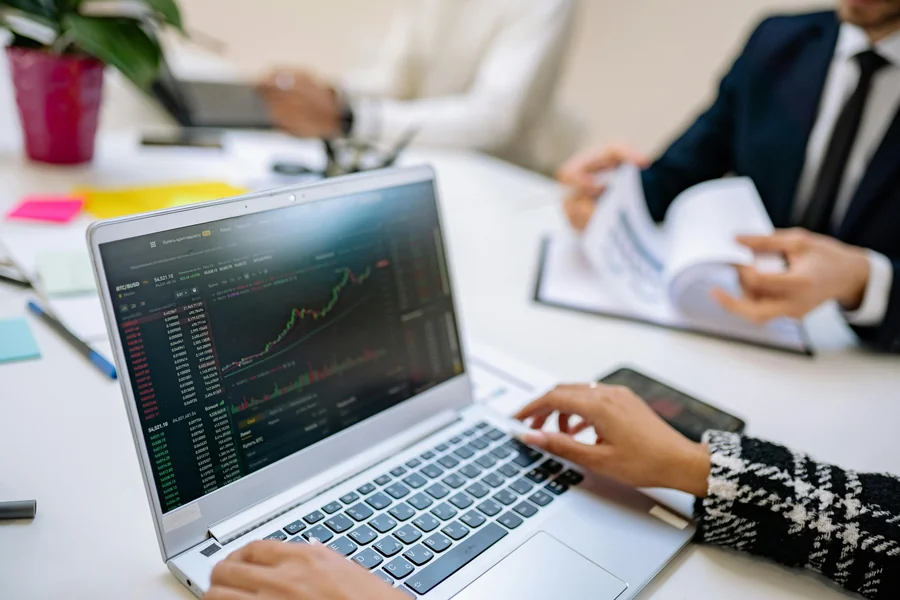
Trading isn’t what you see in old movies: Wall Street phones ringing and packed floors. These days, every click on your trading app relies on a deeply layered stack of technology. That stack powers brokers, routes your orders and unlocks access to thousands of assets all over the world.
If you’ve ever tapped your phone and bought a stock, crypto or a commodity CFD instantly, you’ve brushed up against one of the most advanced financial tech systems out there. Most folks picture trading as numbers flickering on a screen. But right behind that screen is a trading broker; hooked up to real-time data streams, liquidity networks, risk engines and a multi-asset setup that actually makes global trading possible.
As markets spread out, multi-asset platforms become even more crucial. These are tech giants now, running everything from forex and indices to ETFs, crypto and derivatives, all under one roof. Sure, it’s convenient, but building these platforms is a real engineering feat.
What a trading broker actually is
A trading broker is your gateway to the financial markets. You don’t connect straight to NASDAQ, NYSE or global forex networks. Instead, both retail and institutional traders count on brokers to execute their trades. Brokers link you to liquidity providers, exchanges or in-house order-matching tech. But modern brokers aren’t just go-betweens anymore. They’re tech platforms. Today’s brokers handle:
- Order execution in milliseconds.
- Aggregating prices from loads of liquidity sources.
- Real-time risk checks.
- Compliance and regulatory reporting.
- Connecting across global markets and asset types.
They’ve evolved; now, they’re more like fintech data engines than old-school financial institutions.
The role of advanced trading platforms
That’s why today’s broker platforms feel like enterprise-grade fintech systems, way beyond just trading apps. Take the BitDelta Pro platform, which is a multi-asset trading platform packed with pro tools and access to over 5,000 instruments: Forex, indices, commodities, stocks, ETFs, crypto ETFs, futures and options. It’s designed to deliver trust and transparency in trading for both individuals and institutions.
What makes platforms like this fascinating isn’t just the range of assets; it’s the tech under the hood. They merge advanced execution engines, analytics dashboards and risk management, all in one environment ready for retail and professional traders alike. For traders, that means:
- Unified access to global markets.
- Real-time execution across asset types.
- Advanced charting and analytics.
- Transparent, institutional-level pricing and execution.
All of it runs on systems constantly crunching market data, optimizing order routing and balancing liquidity, live.
The technology behind modern brokers
Every “Buy” or “Sell” button is backed by a stack of systems working together.
Low-latency execution systems
Speed rules in trading. Modern brokers rely on ultra-fast infrastructure to process orders in microseconds. This means:
- Co-located servers right next to exchange data centers.
- High-speed fiber networks.
- Matching engines written in raw languages like C++.
A few milliseconds’ delay can bite, especially when markets like crypto or forex get wild.
Liquidity aggregation
No broker stands alone. They tap into multiple liquidity providers; banks, hedge funds and electronic networks.
Liquidity aggregation tech grabs all these price feeds and combines them into the “best available price” for you. That’s why you see tight spreads and steady prices, even when things get choppy.
Risk management systems
Every trade comes with risk, for you and the broker. Modern platforms use automatic risk engines to watch:
- Exposure across different assets.
- Margin requirements.
- Leverage levels.
- Real-time portfolio risk.
If things get out of whack, systems jump in with margin calls or dial back exposure automatically.
Data streaming and market feeds
Markets never stop moving. Brokers depend on real-time data pipelines to keep up. They pump millions of data points every second, covering:
- Price ticks.
- Order book depth.
- Trading volume.
- Market news alerts.
This usually runs on distributed systems and event-driven frameworks, just like those in major tech companies.
What multi-asset trading really means
Multi-asset trading is exactly what it sounds like: Trading all kinds of financial instruments through one platform. No need to bounce between apps for stocks, crypto or commodities. You get it all in one place. The main asset types include:
- Forex (think EUR/USD).
- Indices (S&P 500, NASDAQ).
- Commodities (gold, oil, silver).
- Stocks (Apple, Tesla, global names).
- ETFs and crypto ETFs.
- Futures and options.
- Cryptocurrencies.
It’s about integration: One account, one interface and one system covering different market models.
Why multi-asset platforms need serious tech
Each asset class plays by different rules. Forex is open 24/5, crypto never closes, stocks follow exchange hours and derivatives add leverage quirks. So the platform has to solve tough tech challenges:
Unified infrastructure: It needs to bring data from wildly different exchanges and financial networks into a single view.
Cross-market execution: Your trader might buy crypto and hedge with forex at the same time. The system has to sync execution across markets instantly.
Regulatory complexity: Different assets come with different compliance demands. The platform adapts reporting and execution rules in real time.