
The Ultimate Guide to Indian Wedding Dresses for Women: Styles, Trends & Tips
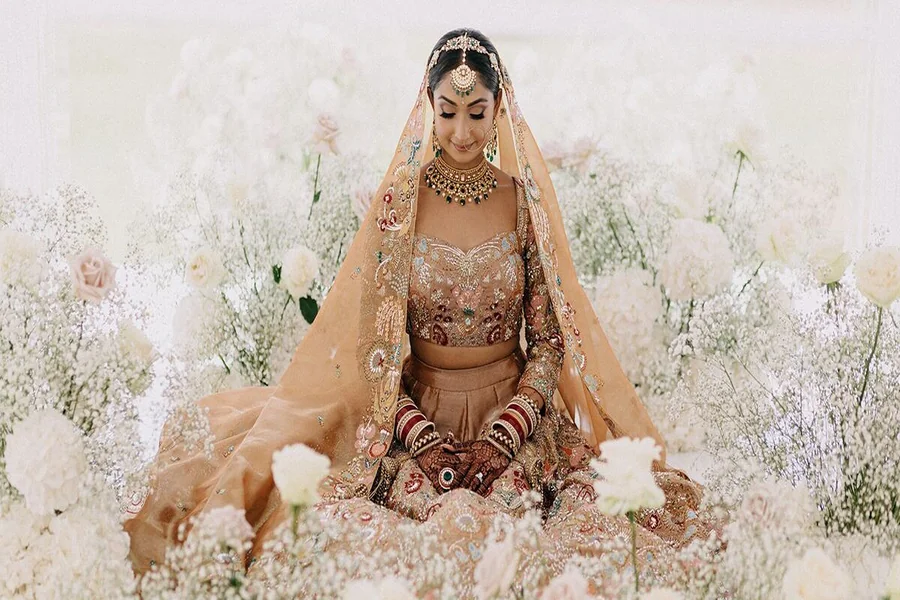
Indian weddings are hands down some of the most colorful, vibrant, and absolutely stunning celebrations in the world! The music, the dancing, the incredible food, and of course, the gorgeous outfits that make every function feel like a fashion show. If you’ve ever attended an Indian wedding or are planning to be part of one soon, you know that choosing the right outfit can feel both exciting and completely overwhelming. With so many beautiful options available, from traditional sarees to contemporary fusion pieces, knowing where to start makes all the difference. That’s exactly why I’ve put together this comprehensive guide to help you navigate the spectacular world of Indian wedding dresses for women, covering everything from timeless classics to the latest trends, styling tips that actually work, and practical advice for selecting pieces that make you look and feel absolutely amazing throughout multi-day celebrations.
Understanding Traditional Indian Wedding Attire
Let’s start with the classics because honestly, traditional Indian wedding dresses have stood the test of time for very good reasons! The saree remains the most iconic and universally recognized Indian garment. Six to nine yards of unstitched fabric draped in countless regional styles creating dramatically different aesthetics. From the rich Kanjeevaram silks of South India with their intricate gold borders to the delicate Banarasi weaves from Varanasi featuring elaborate brocade work, sarees represent incredible regional diversity and artistic heritage. What I love about sarees is their versatility. The same garment works for morning prayers, afternoon receptions, and evening parties, simply by changing how you drape it and what accessories you pair with it.
The lehenga choli has become the quintessential bridal outfit, and honestly, it’s easy to see why! This three-piece ensemble featuring a long skirt (lehenga), fitted blouse (choli), and flowing scarf (dupatta) creates stunning silhouettes that photograph beautifully and allow comfortable movement during lengthy celebrations. Bridal lehengas showcase the most elaborate craftsmanship. Think heavy embroidery, intricate beadwork, zardozi detailing, and luxurious fabrics like silk, velvet, and brocade. The beauty of lehengas is how they suit various body types, with different silhouettes like A-line, flared, and mermaid cuts flattering different figures beautifully.
Salwar kameez and Anarkali suits offer elegant alternatives combining comfort with traditional aesthetics. The salwar kameez, featuring a tunic, loose trousers, and scarf, works wonderfully for pre-wedding functions, family gatherings, and guests seeking comfortable yet festive options. Anarkali suits with their fitted bodices flowing into dramatically flared skirts create royal elegance perfect for formal wedding functions. These outfits come in countless variations from simple cotton pieces for casual events to heavily embellished silk designs for grand celebrations.
Contemporary Trends Reshaping Indian Wedding Fashion
Now let’s talk about the exciting contemporary trends that are absolutely transforming Indian wedding fashion! Pastel colors have completely taken over. Soft blush pinks, powder blues, mint greens, and lavenders creating romantic, dreamy aesthetics that photograph gorgeously. These gentle hues offer refreshing alternatives to traditional bold colors while maintaining appropriate festivity for wedding celebrations. What’s particularly interesting is how pastels work across all outfit types. Pastel lehengas, sarees, and fusion pieces all creating that Instagram-worthy, ethereal appeal younger generations absolutely love.
Minimalism has influenced Indian wedding wear beautifully, proving that less really can be more! Clean silhouettes with minimal embellishments, quality fabrics taking center stage over excessive decoration, and understated elegance replacing heavy ornamentation create sophisticated looks that feel very modern. Minimalist wedding dresses focus on impeccable tailoring, interesting cuts, and strategic embellishment placement rather than all-over decoration. This trend particularly appeals to brides wanting timeless pieces they won’t look back on and cringe at overly trendy or excessive styling.
Cape and jacket styles represent one of the most exciting innovations in wedding wear! Traditional outfits paired with flowing capes or structured jackets create dimensional, fashion-forward looks. Cape-style lehengas eliminate dupatta draping concerns while adding dramatic flair, jacket-style Anarkalis bring contemporary sophistication, and sheer capes over sarees create interesting layering. These pieces work wonderfully for fashion-conscious women wanting something unique yet culturally appropriate.
Fusion wear blending Indian and Western elements continues gaining popularity, especially among NRIs and multicultural weddings. Indo-western gowns featuring Indian embroidery on Western silhouettes, lehengas paired with crop tops instead of traditional cholis, and saree-gown hybrids combining both aesthetics create innovative pieces that honor tradition while feeling contemporary. This trend allows incredible personalization and works beautifully for contemporary celebrations where creative fashion expression is welcomed.
Choosing the Right Outfit for Different Wedding Functions
Indian weddings typically span multiple days with different functions requiring different outfit choices. Let me break down what works best for each! The mehendi ceremony calls for bright, cheerful colors and comfortable fabrics since you’ll be sitting for henna application. Yellow, orange, green, and pink create festive vibes perfect for this pre-wedding function. Lightweight cotton or georgette suits, comfortable Anarkalis, or breezy lehengas work wonderfully. The casual, daytime nature of mehendi means you can embrace playful prints, vibrant colors, and comfortable styling without excessive formality.
Sangeet nights are all about glamour, dancing, and celebration! This is when you can really go all out with sequined outfits, heavily embellished lehengas, shimmering sarees, or contemporary fusion pieces. Choose outfits allowing comfortable movement since you’ll be dancing. Avoid excessively heavy pieces that restrict motion. Bold colors like royal blue, emerald green, fuchsia, and metallics create dramatic impact perfect for evening celebrations photographed under party lights.
The wedding ceremony itself calls for traditional elegance and cultural respect. Brides typically wear elaborate lehengas or traditional sarees in auspicious colors like red, maroon, or gold. Guests should choose formal, elegant pieces in rich colors avoiding white (often reserved for mourning) and black (traditionally considered inauspicious, though increasingly accepted for modern receptions). Silk sarees, embellished lehengas, or elegant Anarkalis work beautifully for wedding ceremonies.
Reception outfits offer opportunities for contemporary glamour and fashion-forward styling! This is when fusion pieces, statement gowns, minimalist lehengas with bold jewelry, or dramatic saree drapes really shine. Receptions feel slightly less traditional and more party-like, allowing creative styling and contemporary pieces that might feel too modern for the actual ceremony.
Styling Tips That Actually Work
Let me share practical styling tips I’ve learned over years of wedding attendance! First, consider your jewelry carefully. Heavily embellished outfits pair best with minimal, delicate jewelry letting the outfit shine, while simpler pieces can handle statement jewelry becoming focal points. Traditional gold jewelry suits classic outfits beautifully, while contemporary oxidized silver or minimal pieces complement fusion wear perfectly. Don’t overlook the power of a statement maang tikka or beautiful jhumkas transforming your entire look!
Footwear choices significantly impact both comfort and appearance. Traditional juttis and mojaris add authentic ethnic charm and work with virtually any Indian outfit. Heeled sandals create formal elegance and add height, while wedges offer comfortable alternatives for all-day events. Whatever you choose, break in new shoes before the wedding. Trust me, your feet will thank you after hours of standing, dancing, and celebrating!
Dupatta draping deserves attention because it dramatically affects your overall aesthetic. The classic double-shoulder drape creates traditional elegance perfect for formal functions, single-shoulder styling offers contemporary appeal, front-pleat draping suits professional or structured looks, and skipping the dupatta entirely creates streamlined modern silhouettes. Practice your preferred draping style beforehand and consider using safety pins or brooches keeping everything secure throughout celebrations.
Hair and makeup should complement your outfit rather than compete with it. Elaborate outfits work beautifully with elegant updos or sleek buns keeping focus on the clothing and jewelry. Simpler outfits can handle more dramatic hairstyles like flowing curls or intricate braids. Makeup should enhance your natural features. Bolder looks for evening functions, natural glowing skin for daytime events, and always considers how everything photographs since wedding photos last forever!
Practical Shopping Tips for Indian Wedding Dresses
Shopping for Indian wedding wear requires strategic thinking beyond just falling in love with beautiful pieces! Start early, ideally 2-3 months before the wedding, allowing time for browsing, ordering, alterations, and potential issues. Rush orders cause unnecessary stress and limit your options significantly. Set a realistic budget including the outfit itself plus alterations, accessories, and any necessary undergarments or petticoats. Quality pieces cost more but last longer and look better in photographs, making them worthwhile investments.
When shopping online, read size charts carefully and take accurate measurements. Many retailers offer custom stitching services where you submit exact measurements for perfect fit. Definitely worth considering for expensive pieces! Read customer reviews focusing on comments about color accuracy, fabric quality, and sizing consistency. Look for customer-uploaded photos showing real people wearing the outfit rather than just professional product shots. Understand return policies completely before purchasing, especially for expensive items.
For in-person shopping, try everything on properly with appropriate undergarments and shoes understanding how the complete look comes together. Move around, sit down, raise your arms. Test the outfit’s comfort and functionality beyond just standing poses. Don’t hesitate to negotiate prices, especially in traditional markets and boutiques where bargaining is expected and acceptable. And bring a trusted friend whose honest opinion you value. Sometimes we need that reality check to prevent expensive mistakes!
Conclusion
Choosing Indian wedding dresses is such an exciting journey that should feel joyful rather than stressful! Remember that the perfect outfit honors tradition while expressing your unique personality, suits the specific occasion and your role in it, flatters your body type and complexion, and most importantly makes you feel confident and beautiful. Whether you embrace timeless traditional pieces, experiment with contemporary trends, or blend both through fusion styling, let your choices reflect who you are authentically. Trust your instincts, don’t be afraid to try new things, and choose outfits that make you smile when you see yourself in the mirror. After all, the best wedding outfit is one that lets you fully enjoy the celebration, create beautiful memories, and look back at photographs years later with joy rather than regret. Happy shopping, and here’s to looking absolutely stunning at every wedding celebration you attend!