
Understanding Body Shapes: Comprehensive Guide to Managing Apron Belly and Lower Abdominal Fat
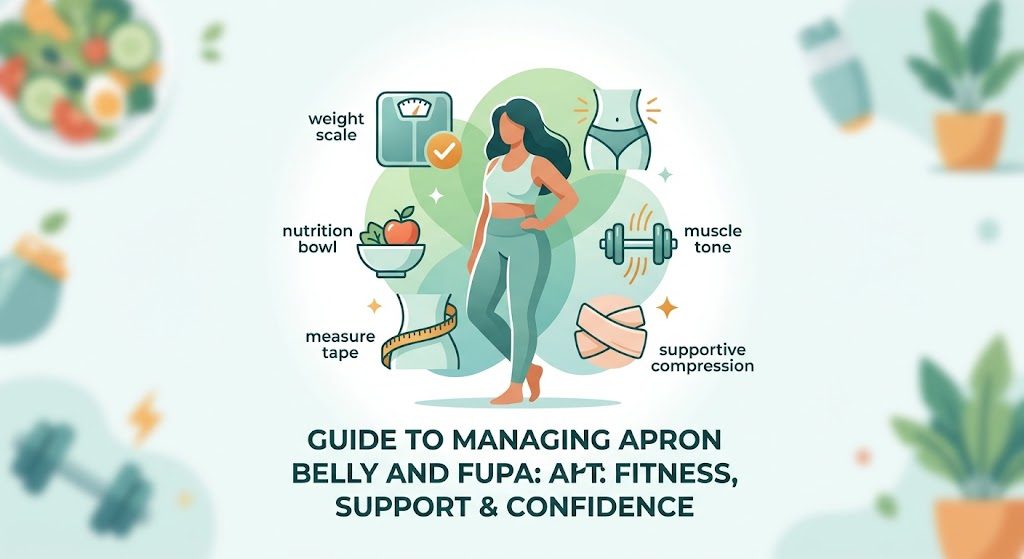
Body shape, fat distribution, and physical changes over time are natural aspects of human biology. However, managing specific areas like the lower abdomen can often feel uniquely challenging. Two terms that frequently surface in health, wellness, and fitness discussions around targeted body contours are the “apron belly” and “FUPA” (Fat Upper Pubic Area).
While both involve localized fat accumulation in the lower midsection, understanding their distinct anatomical causes, management strategies, and supportive lifestyle solutions can make a significant difference in achieving personal wellness goals.
What Causes Lower Abdominal Weight Retention?
Fat distribution across the human torso is primarily dictated by genetics, hormonal balances, age, and individual metabolic rates. Unlike general visceral fat that surrounds internal organs, lower abdominal fat often combines subcutaneous fat with stretched skin tissue.
- Hormonal Imbalances and Cortisol: High levels of chronic stress trigger the release of cortisol, a primary stress hormone closely linked to visceral and lower abdominal fat storage.
- Post-Surgical and Postpartum Dynamics: Pregnancy, diastasis recti (the separation of abdominal muscles), and surgical procedures such as C-sections can weaken the connective tissue (linea alba) and alter how tissue rests across the lower stomach.
- Loss of Skin Elasticity: As natural collagen and elastin production declines with age or rapid weight changes, skin loses its firmness, causing lower abdominal tissue to hang.
Managing an Apron Belly (Panniculus)
An apron belly—scientifically referred to as a panniculus—occurs when a fold of skin and subcutaneous fat hangs over the waistline or pubic region. It ranges from mild grades to more pronounced folds, often creating both cosmetic concerns and physical discomfort such as skin irritation or lower back strain.
[ Deep Core Activation ] —> Stabilizes the pelvis & spine
[ Moisture & Skin Care ] —> Prevents chafing beneath folds
[ Structural Compression] —> Provides posture support & comfort
Addressing this condition effectively requires a multi-faceted approach combining targeted physical conditioning, proper hygiene management, and supportive garments. Exploring dedicated guidance, garment tips, and specialized wellness insights can empower individuals on their journey; comprehensive resources and actionable strategies are available through Apron Belly.
Key Strategies for Support and Relief:
- Targeted Deep Core Rehabilitation: Traditional sit-ups or crunches can place excessive intra-abdominal pressure on weak tissue. Instead, focus on deep transverse abdominis exercises such as pelvic tilts, bird-dogs, and belly vacuuming.
- Hygiene and Skin Integrity: Excess moisture in skin folds can lead to intertrigo or bacterial irritation. Keeping the area thoroughly dry, using breathable cotton fabrics, and applying barrier creams helps maintain optimal skin health.
- Ergonomic and Compression Support: High-waisted supportive shapewear or maternity support belts provide immediate structural relief, reduce lower back strain, and improve overall daily posture.
Addressing the Upper Pubic Area (FUPA)
Unlike a hanging apron belly, fat in the upper pubic area—commonly known as a FUPA—is situated directly over the pubic bone. This specific fat pad is often stubbornly resistant to standard weight-loss efforts, affecting individuals after significant weight reduction, pregnancy, or hormonal shifts.
Because targeted “spot reduction” is physiologically impossible, addressing upper pubic fat requires a holistic plan that couples total-body fat loss with pelvic floor strengthening and metabolic optimization. For in-depth articles, practical health advice, and lifestyle routines tailored specifically to this area, you can consult expert guides at FUPA UK.
Actionable Steps for FUPA Management:
- Pelvic Floor Engagement: Incorporate Kegels and pelvic bridges to strengthen the underlying muscular foundation beneath the pubic fat pad.
- Low-Impact Cardiovascular Training: Engaging in steady-state activities like swimming, incline walking, or rowing increases overall caloric expenditure without straining the lower joints.
- Postural Realignment: Anterior pelvic tilt (where the pelvis tilts forward) can make the lower abdomen and pubic region protrude more. Correcting posture through hip flexor stretches and glute activation can visibly refine the profile.
Nutrition and Daily Habits for Sustainable Results
Long-term success in reducing lower body fat lies in metabolic health and consistent daily routines.
| Focus Area | Practical Action | Health Benefit |
| Dietary Fiber | Consume soluble fiber (oats, legumes, flaxseed) | Helps regulate blood sugar and lowers visceral fat accumulation |
| Protein Intake | Target lean proteins (chicken, fish, tofu, eggs) | Preserves lean muscle mass and promotes long-lasting satiety |
| Hydration | Drink 2.5 to 3 liters of water daily | Reduces systemic bloating, supports digestion, and maintains skin elasticity |
| Sleep Quality | Aim for 7–9 hours of uninterrupted sleep | Normalizes ghrelin and leptin (hunger hormones) and reduces cortisol spikes |
Frequently Asked Questions (FAQs)
What is the main difference between an apron belly and a FUPA?
An apron belly consists of a hanging flap of skin and fat that drapes down over the waistline or pubic area, often resulting from significant weight loss, pregnancy, or aging. In contrast, a FUPA (Fat Upper Pubic Area) refers specifically to a localized fat pad positioned directly above the pubic bone, which may or may not include loose skin.
Can you get rid of lower abdominal fat through targeted exercises alone?
No. Spot reduction is a common myth. While targeted exercises strengthen and tone the underlying abdominal and pelvic muscles, reducing fat in any specific area requires an overall calorie deficit through balanced nutrition, regular cardiovascular exercise, and strength training.
How does posture affect the appearance of lower stomach fat?
Poor posture—specifically an anterior pelvic tilt, where the pelvis rotates forward—pushes the abdomen outward and exaggerates the appearance of both an apron belly and a FUPA. Strengthening the glutes and core while stretching tight hip flexors helps realign the pelvis and flattens the midsection profile.
Are compression garments safe to wear for lower abdominal support?
Yes, high-quality, properly fitted compression garments or support belts are generally safe and helpful. They can relieve pressure on the lower back, improve posture, and provide physical comfort during movement. However, they should fit comfortably without causing severe constriction, pain, or breathing difficulty.
When should one consider consulting a doctor regarding lower belly tissue?
You should consult a healthcare provider or dermatologist if you experience persistent skin rashes, infection, or pain under skin folds, or if you are evaluating options for surgical correction (such as a panniculectomy or abdominoplasty) following massive weight loss.
Final Thoughts
Navigating changes in body composition requires patience and the right information. Embracing your body while taking proactive steps toward comfort, health, and fitness is the most sustainable approach. By utilizing supportive garments, focusing on deep core stability, and referencing reliable body-positivity resources, you can effectively manage lower abdominal concerns with confidence.