
What Defines a Modern Fine Jewelry Brand in Today’s Market
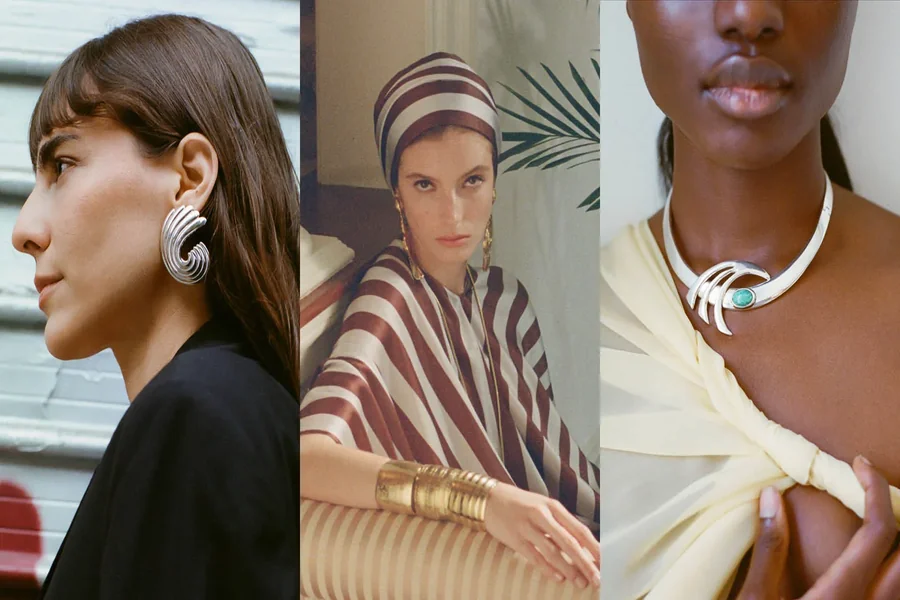
The fine jewelry industry has entered a new era where craftsmanship alone is no longer enough to define excellence. Today’s consumers are more informed, more intentional, and more selective about what they choose to wear. Jewelry has shifted from being a symbol of status to a reflection of identity, values, and personal meaning. This evolution has reshaped the expectations placed on modern fine jewelry brands.
As a result, the brands that stand out are those that move beyond traditional definitions of luxury. They combine timeless artistry with transparency, ethical practices, and emotional resonance. In a competitive and rapidly evolving market, defining what makes a brand truly modern requires looking at how it connects with people, adapts to cultural shifts, and delivers lasting value.
Purpose and Values at the Core
A modern fine jewelry brand begins with a clear and authentic sense of purpose. Consumers today are not just buying a product. They are investing in the story, ethics, and philosophy behind it. Brands that articulate their values clearly and consistently are better positioned to build trust and long-term relationships with their audience.
Sustainability has become a central expectation rather than a distinguishing feature. The use of recycled metals, responsibly sourced gemstones, and lab-grown alternatives reflects a broader commitment to reducing environmental impact. These practices signal to consumers that luxury can exist without compromising responsibility, and that beauty does not have to come at a cost to the planet
Equally important is transparency. Modern brands are expected to provide insight into their sourcing, production processes, and labor practices. Ethical integrity is no longer optional. It is a defining element of credibility, shaping how customers perceive and engage with a brand over time.
Design That Reflects Modern Lifestyles
Design in today’s fine jewelry landscape is shaped by how people live, not just how they celebrate. Consumers are seeking pieces that fit seamlessly into their everyday routines, allowing them to wear fine jewelry beyond traditional occasions. This shift has encouraged brands to focus on versatility, comfort, and understated elegance.
Minimalism has gained traction, but it is not about simplicity alone. It is about intentional design that allows pieces to be layered, styled, and personalized. Stackable rings, delicate chains, and adaptable designs reflect a lifestyle that values flexibility and self-expression without excess.
Individuality remains essential. Modern jewelry often incorporates bold elements, mixed materials, and unexpected forms to help wearers stand out. This balance between subtlety and statement allows consumers to curate collections that feel uniquely their own.
Direct Relationships With Customers
The relationship between jewelry brands and their customers has undergone a significant transformation. Traditional retail models that emphasized distance and exclusivity are giving way to more direct and engaging approaches. Modern brands prioritize accessibility without compromising quality or experience.
Direct-to-consumer strategies have enabled brands to communicate more openly and offer greater value. By removing unnecessary intermediaries, they create a more transparent pricing structure while maintaining control over how their products are presented and experienced. This fosters a sense of honesty that resonates with today’s buyers.
Digital platforms have become essential in building these relationships. Through storytelling, social engagement, and personalized interactions, brands can connect with their audience in meaningful ways. A brand like Oath Jewelry reflects this shift, emphasizing authenticity and connection over traditional notions of prestige.
Technology and Innovation in Craftsmanship
Innovation plays a critical role in defining modern fine jewelry brands. Advances in technology have expanded the possibilities of design and production, allowing for greater precision and creativity. These tools enable designers to push boundaries while maintaining the integrity of their craftsmanship.
Lab-grown diamonds and alternative materials are reshaping perceptions of value and sustainability. These innovations offer consumers more choices while aligning with a growing preference for ethical sourcing. As acceptance increases, they are becoming a standard part of the modern jewelry landscape.
Technology also enhances transparency and trust. Digital tracking, advanced certifications, and detailed product information allow customers to make informed decisions. While innovation drives progress, successful brands ensure that it complements rather than replaces the artistry that defines fine jewelry.
Emotional Connection and Storytelling
At its core, fine jewelry has always been tied to emotion, but modern brands place greater emphasis on this connection. Consumers are drawn to pieces that represent milestones, relationships, and personal journeys. Jewelry becomes a way to capture meaning rather than simply display beauty.
Storytelling is central to this emotional appeal. Brands that share their inspiration, process, and purpose create a narrative that customers can connect with. This connection transforms a purchase into an experience, making the jewelry feel more significant and lasting.
Inclusivity has also become an important part of this narrative. Modern brands recognize the diversity of their audience and reflect it in their designs and messaging. By embracing different identities and perspectives, they create a sense of belonging that strengthens emotional engagement.
The Balance Between Heritage and Progress
While innovation and modern values are essential, they do not replace the importance of tradition. Craftsmanship, quality materials, and attention to detail remain the foundation of fine jewelry. What has changed is how these elements are presented and integrated into a contemporary context.
Modern brands respect heritage while adapting to current expectations. They draw on traditional techniques but apply them in ways that feel relevant and forward-thinking. This balance allows them to honor the past without being constrained by it.
The most successful brands are those that evolve without losing their essence. They understand that progress and tradition are not opposing forces but complementary ones. By blending both, they create jewelry that feels timeless while remaining aligned with the values of today’s consumer.
Conclusion
The definition of a modern fine jewelry brand extends far beyond aesthetics or legacy. It is shaped by purpose, transparency, innovation, and the ability to form meaningful connections with customers. In today’s market, brands are expected to stand for something, not just sell something.
As consumer expectations continue to evolve, the brands that succeed will be those that remain adaptable, authentic, and intentional. Modern fine jewelry is no longer just about adornment. It is about identity, responsibility, and the stories people choose to carry with them every day.