
What Makes One Fuel Card Better Than Another for Fleets
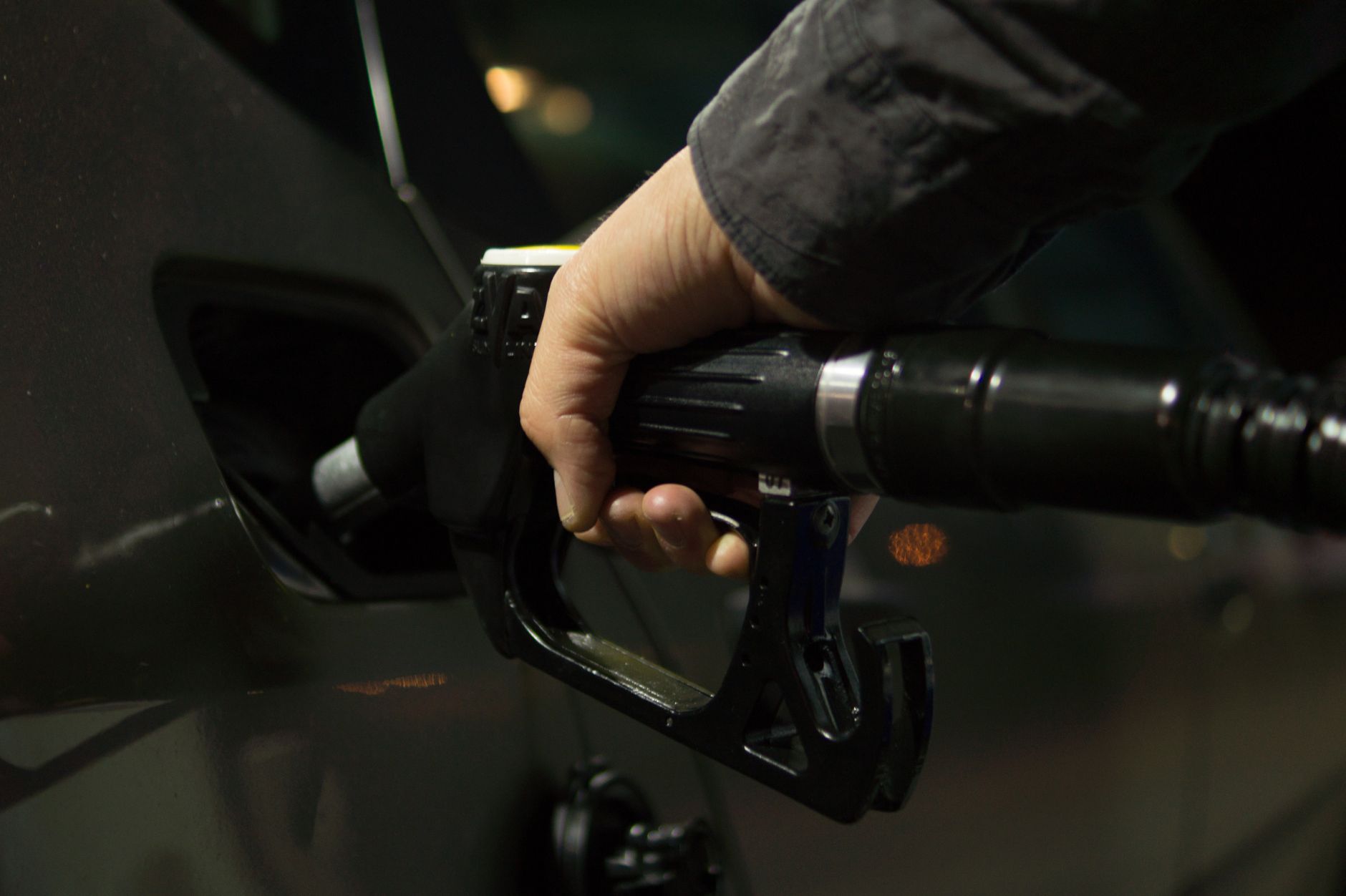
Choosing a fuel card for a business fleet involves more than comparing advertised discounts. Different programs can vary in network coverage, fees, purchasing controls, reporting tools, payment terms, and administrative features. What makes one fuel card better than another for fleets ultimately depends on how well its features match a company’s vehicles, routes, fuel consumption, and management requirements. A careful comparison can help fleet managers identify a program that fits their operational needs, and businesses evaluating available options can also review https://www.valerofleetcards.com for additional information.
Fueling Network Coverage
One of the most important factors is where drivers can use the card. A large network may be useful for fleets traveling across multiple states, while a regional business may prioritize strong coverage along specific local routes.
Fleet managers should examine participating fueling locations rather than relying solely on a network’s total station count. Consider whether drivers can conveniently access participating locations on highways, in rural areas, and near regular delivery or service destinations.
Fuel Pricing and Discounts
Fuel cards can offer different pricing structures, including per-gallon discounts, rebates, network pricing, or other incentives. However, the advertised discount should not be considered in isolation.
Businesses should determine:
- How the discount is calculated
- Which fueling locations qualify
- Which fuel types are included
- Whether discounts vary by location
- Whether additional fees apply
- How rebates or credits are issued
Comparing the complete pricing structure provides a more realistic picture of potential fuel costs.
Fees and Account Costs
A fuel card’s overall cost can be affected by more than the price paid at the pump. Programs may include monthly account fees, transaction charges, card fees, replacement costs, or network-related charges.
Before choosing a card, businesses should request a complete fee schedule and calculate expected costs based on their actual transaction volume.
A program with an attractive advertised discount may not necessarily have the lowest overall cost if it includes substantial fees.
Purchase Controls
Fuel cards can provide businesses with tools for controlling how company funds are used. Depending on the program, managers may be able to set restrictions based on:
- Driver
- Vehicle
- Fuel type
- Purchase amount
- Transaction frequency
- Time of day
- Geographic location
These controls can help businesses establish purchasing policies and monitor whether transactions align with company requirements.
Reporting and Expense Management
Strong reporting tools can make a significant difference for fleet managers. Instead of manually organizing individual fuel receipts, businesses may be able to access centralized transaction information.
Useful reporting features may include fuel type, gallons purchased, transaction amount, location, date, vehicle, and driver information.
Some programs may also provide downloadable reports or integrations with accounting and fleet-management systems.
Ease of Use for Drivers
A fuel card needs to be practical for the people using it. Drivers should be able to locate participating fueling stations easily and complete transactions without unnecessary complications.
Before selecting a program, consider whether the fueling network matches common routes and whether drivers need to enter additional information during purchases.
A card with extensive management features may still be inconvenient if drivers regularly struggle to find suitable fueling locations.
Payment Terms
Payment terms can affect a fleet’s cash-flow management. Different programs may have different billing schedules, payment methods, credit requirements, or account policies.
Businesses should understand when payments are due and whether late-payment charges or finance costs can apply.
Matching payment terms to the company’s accounting and cash-flow processes can make fuel expense management more predictable.
Security Features
Fleet cards can also provide security controls designed to help protect company accounts. Features may include driver identification, PIN requirements, vehicle-specific cards, spending limits, and transaction alerts.
If a card is lost or stolen, businesses should know how quickly it can be suspended or replaced.
Reviewing these features can help fleet managers determine whether a program provides the level of transaction control their business requires.
Scalability for Growing Fleets
A fuel card that works well for a small fleet should also be practical if the business adds more vehicles and drivers.
Ask whether additional cards can be added easily, whether fees change as the fleet expands, and whether management tools can support a larger number of transactions.
Scalability can be particularly important for businesses expecting significant changes in fleet size.
Customer Support and Account Management
Customer service can become important when drivers encounter declined transactions, lost cards, billing questions, or network issues.
Businesses should consider the available support channels, operating hours, response process, and account-management tools before choosing a program.
Comparing Fuel Cards for Your Fleet
There is no single fuel card that is automatically better for every fleet. The right choice depends on the company’s operating profile and priorities.
When comparing options, evaluate network coverage, pricing, fees, purchase controls, reporting, payment terms, security, driver convenience, and scalability together.
The most useful fuel card is generally one whose overall structure aligns with the fleet’s real-world fueling patterns and administrative requirements. By looking beyond headline discounts and reviewing the complete program, fleet managers can make a more informed decision about which option fits their business.