
What Vehicles Require a Commercial Driver’s License?
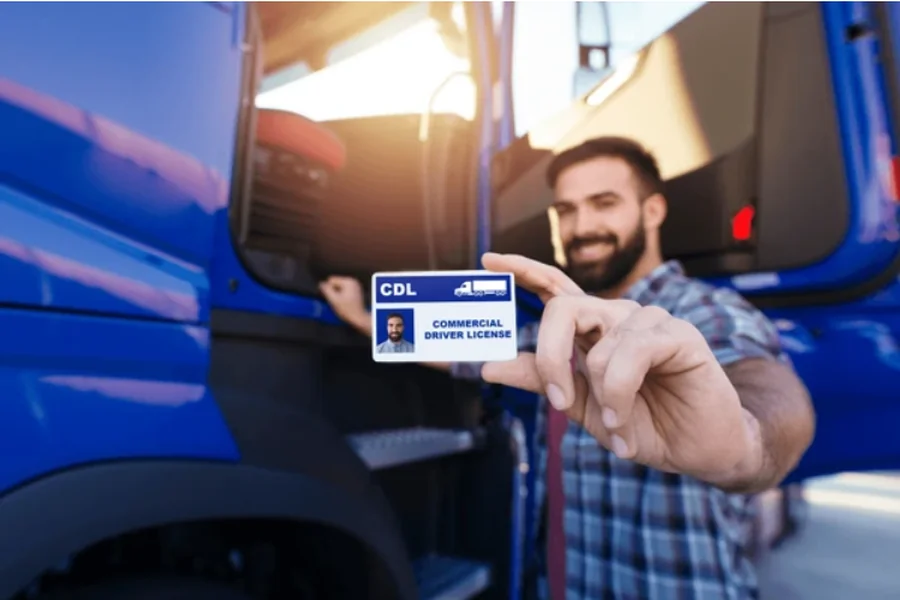
Getting a driver’s license is a real thing in the US. And many are still not aware that one cannot drive all the vehicles with a regular license. Yes, when the vehicles are bigger, heavier, and used for work, they come under a special category.
And that is because when road safety becomes a responsibility beyond personal use, the rules change. Vehicles that carry heavy loads, transport many people, or are used for business purposes need extra care and skill.
To really understand and get to know the basics of commercial driving licenses, read the article till the end.
Why a regular driving license is different from a commercial license
A regular driving license is meant for personal vehicles like cars or two-wheelers. As all these vehicles are used mainly for daily travel, family needs, or personal work. The risk level is limited and personal, and the vehicle size and weight are manageable if they drive responsibly and care.
On the other hand, a commercial driver’s license is required when the vehicle is super heavy, large, or carries passengers or goods for work. And this special attention is because these vehicles are to be handled with more care, needing better control, longer stopping distances, and more awareness on the road.
If the commercial vehicle driver makes one small mistake, the accidents and results are really deadly and affect many other vehicles on the road. Taking all into consideration, the law expects more training, testing, and responsibility from commercial drivers.
Types of commercial driver’s licenses and the vehicles covered
Getting to know about the commercial driver’s license is not that complicated. Basically, a commercial license is divided into three types. And all these types are classified mainly considering their risk factors.
Class A: Under this type are the largest and heaviest vehicles:
- Tractor-trailers
- 18-wheelers
- Tanker trucks
- Flatbed trucks
All the above-listed vehicles carry very heavy loads and goods and often travel long distances. Handling them safely needs special training; all these drivers are advised to follow HOS rules strictly.
Class B: Under this type, heavy and large vehicles come in, but with a slight difference from Class A. In this class, the license is for heavy vehicles that are not pulling large trailers.
- Dump trucks
- Large delivery trucks
- Cement mixers
- City buses
These vehicles operate mostly within cities and construction zones. Even though they are smaller than Class A vehicles, they still require skill due to weight and frequent stops.
Class C: Under this class, a vehicle carries passengers or hazardous materials.
- Passenger vans
- School buses
- Vehicles carrying dangerous materials
Under this class, safety of people and conscious handling focus on safety of people and proper handling.
Vehicles clearly require a commercial driver’s license if:
- The vehicle is very heavy.
- The vehicle carries many passengers.
- The vehicle is used for business or transport work.
- The vehicle carries hazardous materials.
If the vehicle puts extra responsibility on the driver, the law steps in and asks for a higher qualification.
Requirements for obtaining a commercial driver’s license
Getting a commercial license is stricter.
- First, you must meet the minimum age requirement, which is usually higher than a regular license.
- Next, a medical check to make sure you are physically fit to handle long hours and heavy vehicles.
- You also need to pass a written test that checks your knowledge of everything from road rules to vehicle safety and load handling.
- After that, there is a driving test where your real driving skills are evaluated.
- All this is done to make sure only trained and responsible drivers are allowed to handle such vehicles.
Commercial vehicles share the same roads as regular cars and pedestrians. When something goes wrong, the damage is often severe. These rules exist not to trouble drivers but to protect everyone using the road.
Key takeaways
- Heavy, passenger-carrying, or work-related vehicles require commercial licenses.
- All these vehicles are classified into three main types, based on the vehicle’s size and usage.
- Knowing and following all the rules and regulations of the law helps keep roads safer for all.