
Why Did Sears Go Out of Business? The Rise and Fall of an American Icon
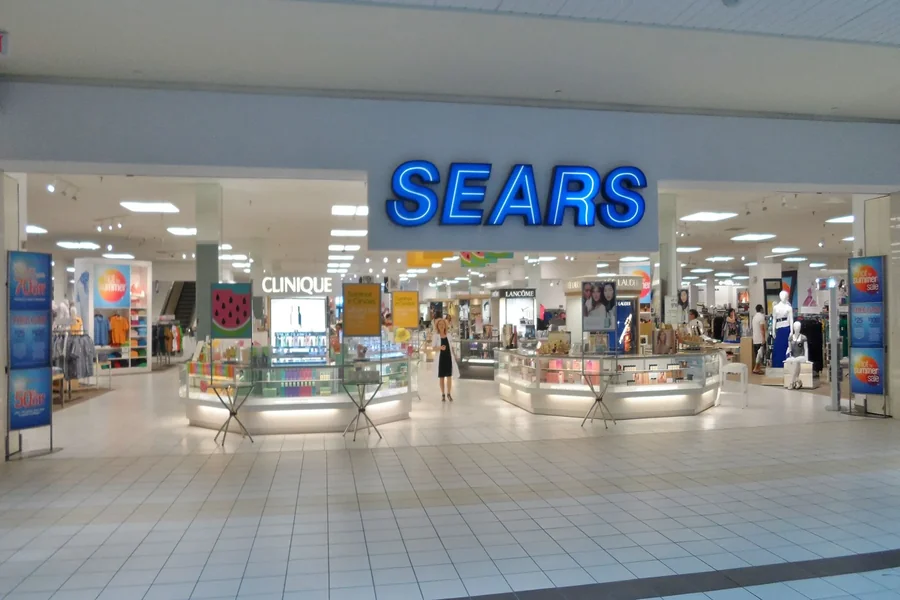
Sears used to be a household name in the United States. It influenced the American shopping experience over a hundred years. Sears was ubiquitous, out of mail-order catalogs to the department stores in every mall. However, at the end of the 2010s, the company was almost erased. The question many people ask themselves is, what went wrong? What happened to Sears, and why did it become out of business after so many years of success?
This paper describes the case of Sears. You will be informed of its origin, its development, and its demise.
The Beginning of Sears
Sears began in 1886. The company was founded by Richard Warren Sears who sold watches by mail order. He would later work with Alvah C. Roebuck. The two of them established one of the biggest mail-order companies of all times.
During the first years, Sears sold it all. Clothing, even farming implements, even houses. The Sears catalog was referred to as the book that made America. Rural residents were fond of it as they could place orders on products which were not stocked in local shops.
The Golden Era of Sears
By the middle of the twentieth century, Sears could not be stopped. It established department stores throughout the nation. Sears shopping became a part of the American life. The company did not only sell clothes but also sold appliances, tools and furniture.
Sears also had reputable brands. Kenmore, Craftsman and DieHard were known by their quality. Customers believed in Sears. It was a name they could trust.
Sears was the largest retailer in the US in the 1970s and 1980s. It was even larger than Walmart or Target at that time.
The Beginning of the Decline
Sears began to have trouble gradually. New entrants emerged in the 1990s. Walmart, Target and Best Buy started to take over the market. They provided cheaper prices and quick service.
Meanwhile, Sears was not able to modernize. The company was clinging to its historic ways. It was not aimed at enhancing the customer experience. When others went into e-commerce, Sears remained behind.
The internet transformed it all. Individuals started doing online shopping. E-commerce giants Amazon and other players replaced them. Sears could not compete.
Ineffective Leadership and Management
Poor leadership was another significant factor that led to the collapse of Sears. Things deteriorated when Eddie Lampert assumed the CEO. He attempted to operate the business as a financial investment and not as a retail business.
Lampert separated the company into small units that were forced to compete with one another. This caused misunderstanding and poor morale among the employees. The shops were shabby and unattractive. Shelves were not stocked and customer service was poor.
Lampert sold off valuable assets instead of enhancing the stores. He sold Craftsman to Stanley Black and Decker. The firm also lost the control of Lands End which is one of its strong brands.
Inability to keep up with the Digital Age
As Amazon was on the ascendancy, Sears was still concerned with the physical stores. The company attempted to establish an online presence, which was already too late. The site was sluggish and old-fashioned. There were other places where customers could get better options.
Speed is important in the modern world. Shoppers want convenience. They desire quick delivery, hassle-free returns, and online shopping. Sears did not provide that.
Sears lost a new generation of customers by not embracing the digital trends. Sears was never perceived as a contemporary brand by the young people.
Obsolete Stores and Customer Service
You could feel the difference, had you entered a Sears store in the 2000s. The lighting was dull. The layout was confusing. Shelves were frequently half empty.
In the meantime, such stores as Target and Walmart appeared neat and tidy. They provided contemporary designs and online checkout.
Customers began to abandon Sears. The company failed to invest in renovations. Numerous shops were similar to the ones that existed decades ago. That left shoppers with the impression that Sears was living in the past.
Financial Problems and Debt
Sears was also financially struggling. The company took a substantial amount of money in the form of loans to survive. It shut down a lot of stores as a way of reducing expenses, and that just damaged the brand further.
Every year, losses grew. There were less shoppers and more stores closed. Sears declared bankruptcy in 2018.
The former giant that had established the culture of shopping in America was no longer there.
The Rise of Competitors
The failure of Sears was not due to people stopping to shop. It failed due to the competitor performance. Walmart was made the price leader. Target drew in younger and fashionable shoppers. Electronics was dominated by Best Buy.
Amazon simplified the process of shopping by a single click. It provided quick delivery and a massive inventory. Sears was out of place compared to that.
The Loss of Identity
Sears forgot who it was. It was once reputed to be reliable and trustworthy. It was later not clear what Sears represented. Was it a hardware store? A clothing store? An appliance center? Customers did not know.
Once the company loses its identity, it loses the customer loyalty. People moved on.
Could Sears Have Been Saved?
Yes, but only when it had adjusted itself earlier. Had Sears invested in e-commerce, bettered its shops and concentrated on customer satisfaction, it could still be in business.
According to many experts, Sears was at an advantage in all aspects. It possessed brand strength, a huge customer base and decades of trust. However, the most powerful brand may collapse without innovation.
The Legacy of Sears
Although Sears is no longer there, its influence is felt. It showed the world how to conduct mail-order business. It contributed to the development of the contemporary retail.
Sears inspired many of the strategies adopted by the large retailers today. It was them who initiated the concept of having everything in a single roof.
To the older generations, Sears is a representation of American history. To younger ones it is a lesson of change.
Conclusion
Sears did not fail overnight. Its fall was slow but steady. The company was not responsive to changes in the market. It was not able to keep pace with technology. It was poor in decision making at the top.
Eventually, Sears turned out to be a tale of lost chances. It teaches us that there is no brand too big to fail. Failure to adapt will see a business replaced.
The success and downfall of Sears is a lesson to us that innovation and customer orientation are the ingredients of survival.
FAQs
1. When was Sears formally out of business?
In October 2018, Sears was bankrupt. Subsequently, the majority of its stores were shut down, but some of them were left open temporarily.
2. Who failed Sears?
Numerous reasons contributed to it, but the CEO, Eddie Lampert, is usually accused of ineffective management and financial choices.
3. Was online shopping the reason behind the failure of Sears?
Yes, it was among the principal reasons. Sears failed to change fast enough to the digital shopping trend.
4. What became of Craftsman and Kenmore?
In 2017, Sears sold Craftsman to Stanley Black and Decker. Kenmore stayed with Sears some time, yet it was not selling well.
5. Do we have any Sears stores that are still in existence?
Few stores are still operating under the Sears name, primarily as outlets or small franchises.
6. Will Sears return in the future?
It is unlikely. The brand lost majority of its assets and customers. Nevertheless, the name can be continued by licensing or small online business.
7. What can other businesses learn about the failure of Sears?
Always innovate. Listen to customers. Keep up with technology. Do not think that your success will be permanent.
8. So popular in the first place, why was Sears?
Sears had been a favorite among American families due to its mail-order catalog, trusted brands, and low-cost products over the decades.
9. Was Sears the original large retailer in the U.S?
Yes, Sears was among the earliest great retailers in America. It established the pattern of the contemporary department stores.
10. What did the collapse of Sears teach the most?
Even the great companies have to change. They will ultimately fail as long as they cease growing and adapting.