
Why India is The Birthplace of Authentic Yoga Teacher Training
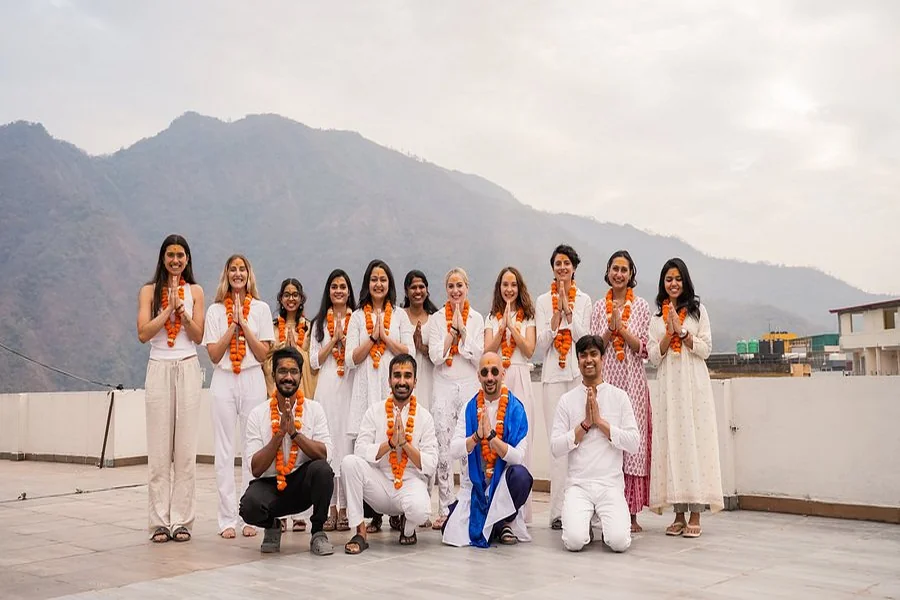
India, the birthplace of yoga is a country full of magic. It’s a land of color, diversity, and the cradle of yoga and spirituality. Although Hindi and English are the official languages in India, you’ll find over 280 additional languages and over 1,150 dialects. India has everything: deserts, mountains, beaches, oceans, rivers, tropical forests and jungles. Did you know that 5,000 years ago, yoga was first introduced in an ancient text called the Rig Veda? Especially in the last 50 years, yoga has become very popular worldwide, and people are eager to learn yoga from its roots. It’s fair to say that in India, you’ll find the most authentic yoga experience, well-educated and experienced teachers, and the right energy. Many people think India is a dangerous country and only trust the negative media. In reality, once you visit India, you’ll find it to be one of the most welcoming and kind countries in the world. Hospitality and compassion are our top priorities.
India is rich in culture, food, spices, festivals, celebrations, traditions, and customs. Indians define their identity by their values, heart, and kindness, not by wealth or status. Entering India, you immediately feel at peace and enjoy the serene, peaceful atmosphere of the country and its people. Yoga comes alive in Rishikesh, a city nestled in the foothills of the Himalayas and along the banks of the sacred Ganges River, known as Maa Ganga in Rishikesh. This makes it a serene and spiritual city. It has become the “Yoga Capital of the World,” where you can choose from a variety of yoga teacher training courses and retreats. In addition to YTTCs and retreats, travelers from around the world enjoy sound healing, astrology, hiking, river rafting, sightseeing, shopping, and, of course, cafe hopping.
If you want to experience this bliss, then you can join the Yoga Teacher Training in Rishikesh and give a new dimension to your yoga journey with internationally certified courses located in the lap of the Himalayas. To know more about the 300 Hour Yoga Teacher Training in Rishikesh, click on the link and get all the details related to the course.
A Sacred Legacy Rooted in Thousands of Years of Tradition
In India, especially Rishikesh (also known as the “Yoga Capital of the World”), yoga is seen as a lifestyle, not just a physical exercise. The serene and spiritual environment, the banks of the Ganges River and the foothills of the Himalayas provide an ideal and authentic setting for deep yoga practice and self-realization. Those seeking authentic yoga teacher training come to India because yoga can be learned here in its purest and most holistic form, including asanas, pranayama, meditation, and the ethical aspects of life (yamas and niyamas). This unique cultural depth and spiritual roots make India a center for true yoga education.
Holistic Teaching Methods Beyond Asanas
Traditional yoga includes physical exercises (asanas), breathing exercises (pranayama), and meditation, providing a holistic approach to spiritual and physical well-being. Rishikesh is a major spiritual center for yoga and meditation, thats why it is known as the “Yoga Capital of the World”. It attracts yogis and seekers seeking to deepen their spiritual practices. For centuries, yoga has been taught in the guru-shishya tradition, where the teacher provides direct guidance, which continues in many Indian yoga schools today. Many Indian yoga teacher training programs emphasize the eight limbs of Ashtanga Yoga, which include ethical principles (yama), personal rules (niyama), asanas (postures), pranayama (practices), sense control (pratyahara), concentration (dharana), meditation (dhyana), and samadhi. Instructors are trained to teach yoga philosophy, history, and ethics, as well as various types of yoga that go beyond asanas and pranayama.
Immersive Yogic Lifestyle: Ashram Culture and Discipline
Traditional yoga teacher training in India is often based on the ancient gurukul system, where students (shishyas) live with their teacher (guru). This close proximity provides students with a deep understanding of yoga philosophy, lifestyle, and discipline. In India, yoga is not just physical exercise, but an integral part of culture and lifestyle. Here, you can learn yoga in its purest and most traditional form, often unavailable in Western countries. Places like Rishikesh (also known as the “Capital of Yoga”), located in the Himalayan foothills, on the banks of the sacred Ganges River, offer a unique spiritual energy. This serene and natural environment is ideal for meditation and self-realization. The daily routine at the ashram is very disciplined, including waking up at Brahmamuhurta, daily yoga and meditation sessions, and sattvik meals. Away from the hustle and bustle of modern life, the serene and natural environment of the Ashram provides a stress-free lifestyle, allowing learners to completely immerse themselves in yoga practice.
Connection with Nature, Culture, and Spiritual Energy
The beautiful scenery, like the banks of the Ganges River and cities like Rishikesh, creates a special environment for yoga practice. India has diverse natural settings, including the Himalayas, beaches, and forests, which are perfect for yoga and meditation. This atmosphere promotes both physical and mental peace, crucial for yoga.
The “Guru-Shishya” tradition holds great importance in Indian culture, where teachers pass on their knowledge directly to students. Yoga is a way of life here, deeply rooted in centuries of tradition and wisdom. It is an essential part of India’s cultural and spiritual heritage. Living in India fosters a deep understanding of yoga’s customs, traditions, and philosophy.
Yoga has strong ties to ancient Indian texts and spiritual traditions. The environment enhances the spiritual experience of yoga. India offers a unique spiritual energy and tranquility that enriches personal growth and self-discovery.
Why Indian Yoga Teachers Are Globally Recognized
Indian yoga teachers are recognized around the world because many train in traditional schools or under gurus, gaining a deep understanding of authentic yoga. Yoga teacher training in India is deeply rooted in tradition and spirituality. It covers the physical aspects of yoga along with its philosophical and spiritual foundations. India has significantly contributed to the global popularity of yoga, which is now seen as a gift that unites the mind, body, and spirit. International organizations, like the International Association of Yoga Therapists (IAYT), provide quality control and accreditation for yoga practitioners.