
Why Staying Consistent with One Tire Brand Matters
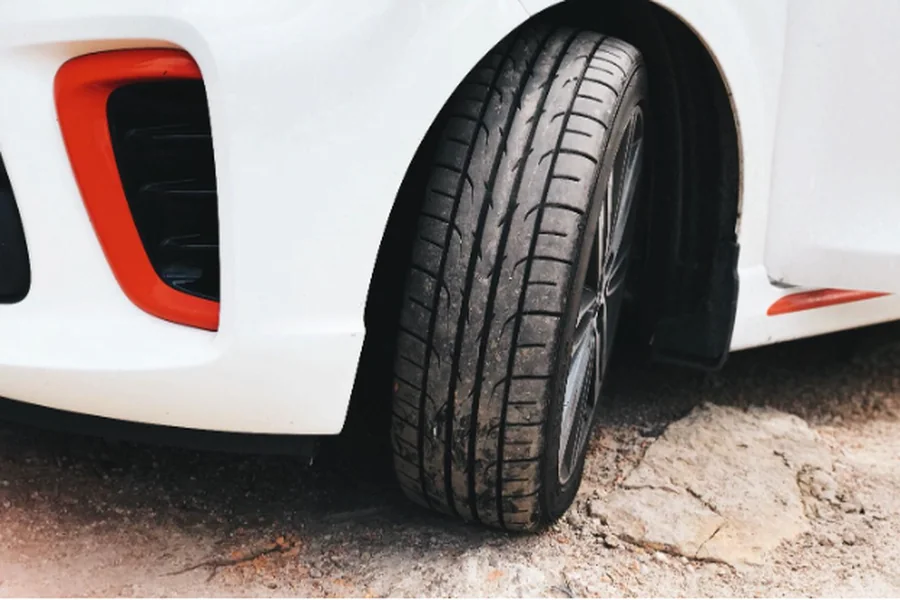
The design of the tire that you choose influences how your vehicle responds when it accelerates and turns. It also affects how confidently the vehicle stops. Choosing tires involves more than size or price. Staying with one tire brand can help create a driving experience because every manufacturer develops products around its own engineering approach.
A tire brand uses related design principles across its product range. Its engineers may favor rubber compounds or tread structures. They may tune tires to provide a balance between comfort and responsiveness. When all four tires come from the same brand and product line, they are more likely to react in a similar way. This balance helps the driver understand how the vehicle will behave during travel and in demanding conditions.
Matching Design and Road Behavior
Tire manufacturers make different choices during development. One company may design a tire with a softer compound that emphasizes grip. Another may create a firmer structure that supports tread life. Neither approach is automatically better. Mixing those approaches on one vehicle can produce uneven responses.
Drivers comparing options within the Goodyear tire collection may notice models intended for different climates and driving styles. Selecting four matching tires from an appropriate range allows the technology to work as designed across the vehicle. If the front tires respond quickly while the rear tires react more slowly, the car may feel less settled during a sudden turn. Matching tires helps reduce this difference and supports predictable handling.
Supporting Balanced Traction
Consistent traction matters whenever road conditions change. Rain can reduce grip within minutes. Cold temperatures can also change how rubber responds to pavement. If tires have different compounds or tread designs, one axle may maintain traction better than the other. That imbalance can affect stability even when every tire still has legal tread depth.
Using one brand does not guarantee identical performance unless the model and specifications also match. However, brand consistency makes it easier to choose products developed with compatible characteristics. It can also simplify future replacements because the driver has a clear reference point for performance that already feels suitable.
Making Maintenance Easier
Tires wear gradually, so small changes can be difficult to notice. A matching set makes wear patterns easier to compare because each tire began with the same design and expected behavior. When one tire looks noticeably different, the variation may point to an inflation problem or an alignment issue.
Rotation is more straightforward when all four tires share the same construction. The recommended pattern may still depend on whether the tires are directional or whether the vehicle uses different sizes at the front and rear. Even so, consistency reduces uncertainty and helps technicians follow the correct maintenance approach.
Simplifying Warranty Support
Staying with one brand can make warranty records easier to manage. The owner can follow one set of maintenance requirements and work with a familiar dealer network. This does not mean every claim will be covered. Warranty terms depend on the specific product and the cause of the damage. Yet consistent documentation can make it easier to show that rotations and inspections were completed as required.
Knowing When Mixing Is Unavoidable
Sometimes an exact replacement is unavailable after sudden damage. In that situation, safety should take priority over brand loyalty. The replacement must meet the vehicle manufacturer’s requirements for size and load capacity. Its speed rating and construction should also be appropriate. A tire professional can explain whether a temporary mismatch is acceptable or whether more than one tire should be replaced.
Consistency as a Practical Choice
Remaining with one tire brand is not about following a label without question. It is about reducing unnecessary differences between the four points that connect a vehicle to the road. Drivers should still compare models and consider local weather. They should also confirm that each tire suits the vehicle.
When the right product is chosen, brand consistency can support balanced handling and simpler maintenance. It can also make future buying decisions easier. The result is a vehicle that feels familiar in routine driving and more predictable when the road presents an unexpected challenge.