
Why Sun Protection Is Essential For Your Car’s Interior
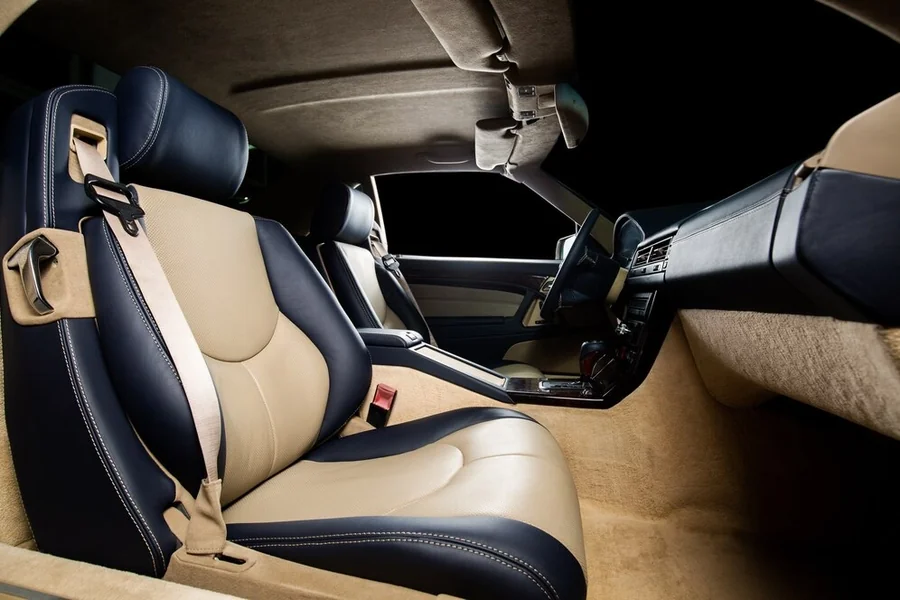
Protecting a vehicle from exterior damage is something most drivers think about, but the interior often gets overlooked. While washing, waxing, and routine maintenance are common tasks, guarding the inside of your car from sun exposure is just as important. Prolonged sunlight can quietly deteriorate surfaces, weaken structural materials, and create uncomfortable driving conditions.
Many car owners do not fully realize how quickly the interior can age when left unprotected, especially in regions with intense year round sunshine. Understanding why sun protection matters can help you maintain comfort, preserve value, and extend the lifespan of your vehicle.
The Silent Impact of UV Exposure
Ultraviolet rays gradually break down materials inside your car. Even if damage is not noticeable at first, the effects accumulate over time. Leather and vinyl surfaces are particularly vulnerable. UV light can dry them out, causing cracks, fading, and brittleness. Once this wear begins, reversing it is difficult and often expensive. Cloth seats and carpets also suffer from discoloration as pigments fade under constant exposure.
Your dashboard is one of the most sun exposed areas. Made from materials designed to withstand heat to some degree, it can still warp or split when UV rays and hot temperatures combine day after day. This type of damage is more than cosmetic. A cracked dashboard can rattle while driving, interfere with airbag deployment, or lead to costly replacement.
Sunlight does not only affect surfaces. Adhesives inside the cabin that hold fabrics, trim pieces, and seals in place can weaken. As glue softens or loses its bond, components begin to lift or separate. While these issues start small, they can grow into frustrating repairs that require interior reattachment or part replacement.
Heat Buildup and Its Effects
When sunlight enters an enclosed car, interior temperatures can rise dramatically. High heat accelerates material breakdown and contributes to an uncomfortable driving experience. Anyone who has entered a hot car mid summer knows how intense it can feel. However, beyond discomfort, extreme temperatures pose additional problems.
Electronics are sensitive to heat. Systems like touchscreens, navigation units, sensors, and wiring harnesses can suffer from prolonged exposure. Overheating can lead to slow response times or premature failure of internal components. Even air conditioning must work harder to bring the cabin down to a manageable temperature, increasing wear on the system and consuming more fuel or battery power.
Heat also impacts safety. Hot steering wheels and seat belt buckles can become difficult to handle, especially for young children. In some cases, plastic components soften enough to deform, shift, or lose structural integrity.
Protecting Your Interior From Early Aging
Fortunately, effective sun protection methods can help prevent premature interior damage. Car owners have a variety of options to reduce UV exposure and heat buildup, each with its own benefits.
Using windshield sunshades is a simple and inexpensive solution. They block direct sunlight from entering through the largest window surface, reducing temperature spikes and protecting dashboard materials. While helpful, they only address the front of the cabin and must be manually placed each time you park.
Parking in shaded areas or garages is another straightforward way to reduce exposure. However, shade is not always available, and trees or structures do not completely eliminate UV light.
One of the most comprehensive methods for ongoing protection is professionally installed window tint. High quality tint films filter UV rays, reflect heat, and limit the amount of sunlight that enters your vehicle throughout the day. This approach not only guards against interior fading but also enhances comfort by keeping temperatures lower.
Many drivers discover the wider benefits of Auto Window Tinting in San Diego when considering daily exposure to bright coastal sun and elevated temperatures. Tinting becomes a long term solution that works continuously without any extra effort from the driver.
How Sun Protection Preserves Vehicle Value
A well maintained interior significantly influences a vehicle’s resale value. When a car shows minimal fading, no cracking, and a clean overall appearance, buyers are more willing to pay a premium. Visible sun damage immediately raises concerns about how well the vehicle was cared for and whether hidden issues may exist.
Protecting your interior also reduces the need for repair or restoration. Fixing faded upholstery, replacing cracked dashboards, or reconditioning leather can become expensive. Preventive care ultimately costs far less than the repairs associated with unprotected sun exposure.
Fleet vehicles, rideshare drivers, and owners who use their cars heavily for work can see an even greater financial impact. Keeping vehicles clean and presentable helps maintain a professional image and reduces downtime for repairs.
Comfort and Driving Experience
Interior protection is not only about preventing damage. It also improves your daily driving experience. A cooler cabin means less reliance on air conditioning, which contributes to better fuel efficiency and reduces engine strain. Lower temperatures also help keep you alert and comfortable, improving overall safety.
UV protection is equally important for personal health. Even inside your vehicle, sunlight can reach your skin and contribute to long term effects like sunburn or premature aging. Reducing UV penetration lowers these risks, especially during longer trips or commutes.
A visually appealing interior also enhances your sense of pride and enjoyment. Clean seats, a smooth dashboard, and unfaded trim create a pleasant environment. Drivers who invest time and care into their vehicle often find the experience more rewarding and relaxing.
Environmental Considerations
Reducing heat buildup inside your car can also have an environmental benefit. When the interior stays cooler, air conditioning systems do not need to work as hard. This reduces emissions in gasoline vehicles and preserves battery life in electric models.
Preventing material breakdown also decreases waste. When components last longer, fewer replacements are needed. This helps minimize the environmental impact of manufacturing and disposing of interior materials.
Choosing the Right Sun Protection Solutions
When selecting sun protective measures, it is important to consider both your climate and lifestyle. Those living in sunny regions or parking outdoors for long periods will benefit most from long lasting solutions like tinting. Drivers who frequently change vehicles or prefer lower cost options may combine shades and protective conditioners for surfaces.
If you opt for tinting, choosing a reputable professional installer ensures the film performs effectively and lasts. Top tier tint films block the majority of UV rays, improve heat rejection, and offer clarity without interfering with visibility. Professional installation also helps avoid issues like bubbling, peeling, or discoloration.
Maintenance products can further enhance interior protection. Leather conditioners, UV protectant sprays, and routine cleaning help keep materials supple, prevent dryness, and remove dust that can accelerate wear when combined with heat.
Conclusion
Sun protection is an essential part of caring for your vehicle’s interior. UV rays and heat can cause fading, cracking, weakened adhesives, and discomfort, all of which reduce the longevity and value of your car. Protecting the interior helps maintain a cleaner appearance, improves comfort, and supports long term performance of electronic systems and materials.
Whether through tinting, shading, conditioning, or a combination of methods, taking steps to guard against sun damage pays off in both immediate benefits and lasting value. By making sun protection part of your regular vehicle care routine, you ensure that the inside of your car remains comfortable, attractive, and durable for years to come.