
Why Using The Wrong Gauge Extension Cord Is A Leading Cause of House Fires

You pick up an extension cord in order to use a drill, lawn mower, or home appliance. The outlet is too far away, so you choose a cord that looks long enough. The equipment starts, and all appears to be well. However, the wire might be too thin for the electrical load required. As a result, excessive current may produce heat within the conductor, damage the insulation, and create conditions that increase fire risk.
Choosing the correct extension cord helps reduce this danger. The factors that you must take into account include wire gauge, cord length, amperage, and the setting where you intend to use it. Although demanding tools might require a heavier-duty cord, a thicker wire does not provide safety on its own.
That said, this guide explains why improper wire gauge can lead to overheating, how to compare different cord ratings, and which safety measures can help protect your home.
1. Wrong Wire Gauge Causes Overheating
Wire gauge describes conductor thickness. In the American Wire Gauge (AWG) system, a lower number indicates a thicker wire. Thicker conductors generally have lower electrical resistance, which helps reduce heat when you operate equipment within the cord’s rated capacity.
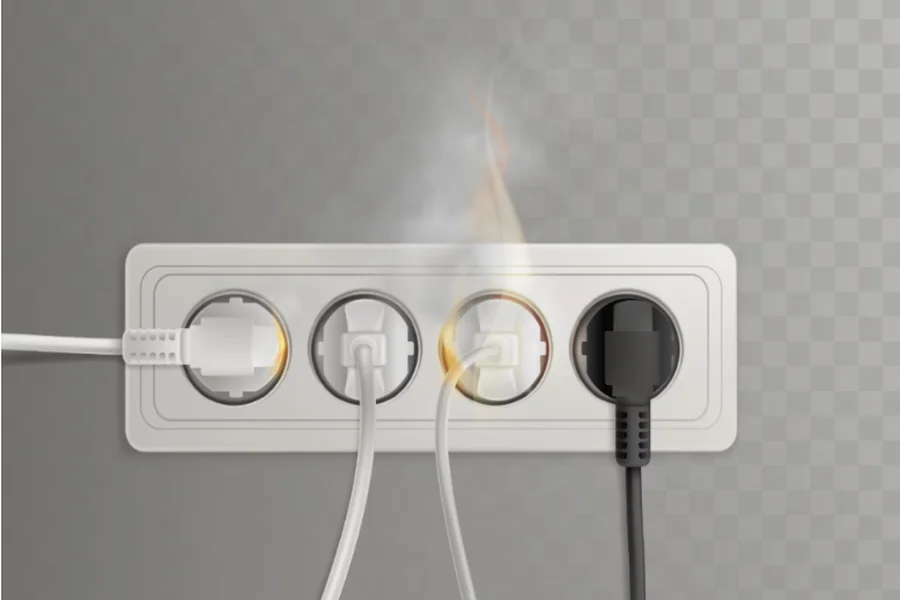
When current exceeds what a cord can safely carry, excessive heat can build up. The insulation may soften, melt, or deteriorate, exposing conductors and increasing the risk of electric shock or fire. Americord offers 12 gauge extension cord options for applications requiring heavier-duty cords. Check each product’s specifications before choosing one.
Your equipment’s power requirements should guide your decision. A small device may draw less current than a power tool. Choose a cord that supports the required load, length, and operating conditions. Never assume that a cord is safe simply because it fits the outlet.
2. Extension Cord Size Matters
A 12 gauge vs 14 gauge extension cord comparison starts with conductor thickness. A 12-gauge cord has thicker conductors than a 14-gauge cord. Under comparable conditions, the thicker wire generally produces less resistance and voltage drop at the same current.
A 14-gauge cord may suit lower-demand applications when its rating and length match the equipment. However, a long cord or demanding power tool may require a heavier gauge. An undersized cord can experience greater voltage drop and excessive heat, particularly during extended use.
An extension cord wire gauge chart helps you compare common wire sizes, but the chart should not replace the manufacturer’s specifications. Check amperage, length, and intended use. Americord’s product listings can help you compare available options. Remember that cords with the same gauge may have different ratings because of their construction, insulation, and connectors.
3. Amp Ratings Affect Fire Risk
The extension cord amp rating indicates how much current a cord can carry under specified conditions. Exceeding that rating can cause excessive heat, even when the wire gauge appears suitable. Compare the cord’s rating with your equipment requirements before connecting anything.
Cord length also matters. Longer cords generally have greater resistance and voltage drop. A long cord may therefore require thicker wire than a short cord carrying the same load. When choosing a heavy duty extension cord, consider both length and current demand. A thicker conductor cannot make an overloaded circuit safe.
Check the ratings of the cord, outlet, circuit, and connected equipment. Do not assume a circuit breaker will prevent every instance of cord overheating. Americord offers different cord configurations, but you must select a product whose verified rating matches your application.
4. Outdoor Cord Ratings Matter
An outdoor extension cord must be rated for outdoor use. Its insulation is designed for the conditions specified by the manufacturer. However, outdoor-rated insulation does not automatically make a cord suitable for submersion, standing water, or every weather condition.
The best extension cord for power tools depends on current demand, cord length, duty cycle, and work environment. Check the tool’s requirements and the cord’s specifications. Use ground-fault circuit interrupter (GFCI) protection wherever electrical codes or manufacturer instructions require it. Keep connections away from water, and never handle electrical connections with wet hands.
Americord’s product range includes different cord options, but verify each model’s intended use before purchasing. A heavy-duty label does not mean a cord suits every jobsite. Gauge, insulation, connectors, and electrical rating must all match your needs.
5. Cord Damage Increases Fire Risk
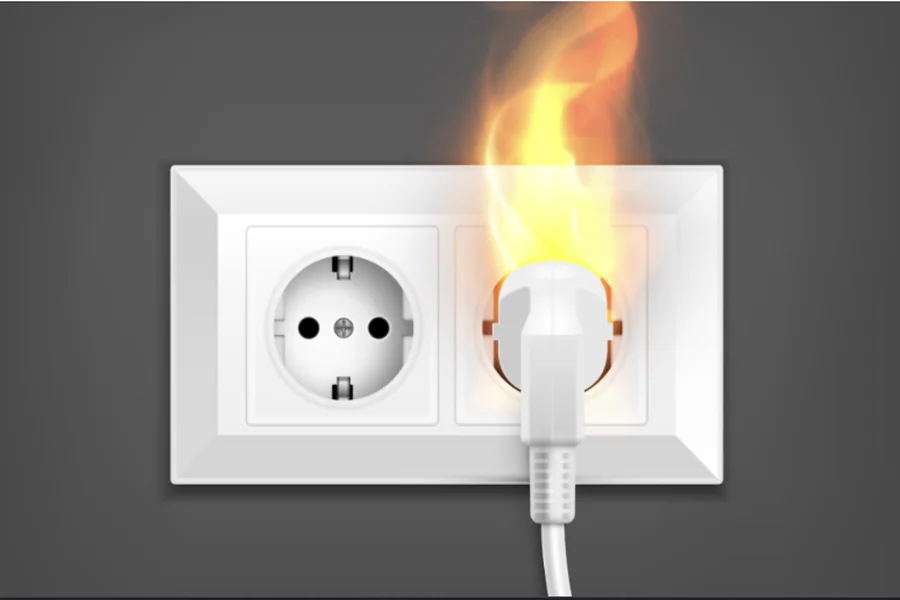
Inspect your extension cord before each use. Look for cuts, cracked insulation, bent prongs, loose plugs, or exposed wires. Remove damaged cords from service instead of covering defects with tape. Stop using any cord that becomes unusually hot, smells burnt, or shows signs of melting.
Keep cords away from rugs and materials that can trap heat. Do not run cords through walls, ceilings, or doorways where they may become damaged. Follow manufacturer instructions about uncoiling cords and using cable reels. Avoid connecting cords end to end, and never exceed the rated capacity.
Follow these extension cord safety tips when powering tools or outdoor equipment. Americord provides cord options for different needs, but safe use depends on correct selection and handling. Extension cords are intended for temporary power needs, not permanent wiring. If you regularly need power in the same location, ask a qualified electrician about installing another outlet.
Conclusion
Using the wrong extension cord gauge can increase resistance, generate excessive heat, damage insulation, and create conditions that may lead to a house fire. Your choice should account for wire gauge, current demand, cord length, and the work environment. A thicker conductor reduces resistance but cannot compensate for damaged wiring or an overloaded circuit.
Before your next project, check the equipment requirements and cord label. Inspect the cord, select the correct indoor or outdoor type, and replace damaged products. Choose a cord based on its verified rating, not appearance alone. These precautions help reduce electrical hazards and protect your home.