
The Ethics of Supporting Long Covid Survivors in the Workplace
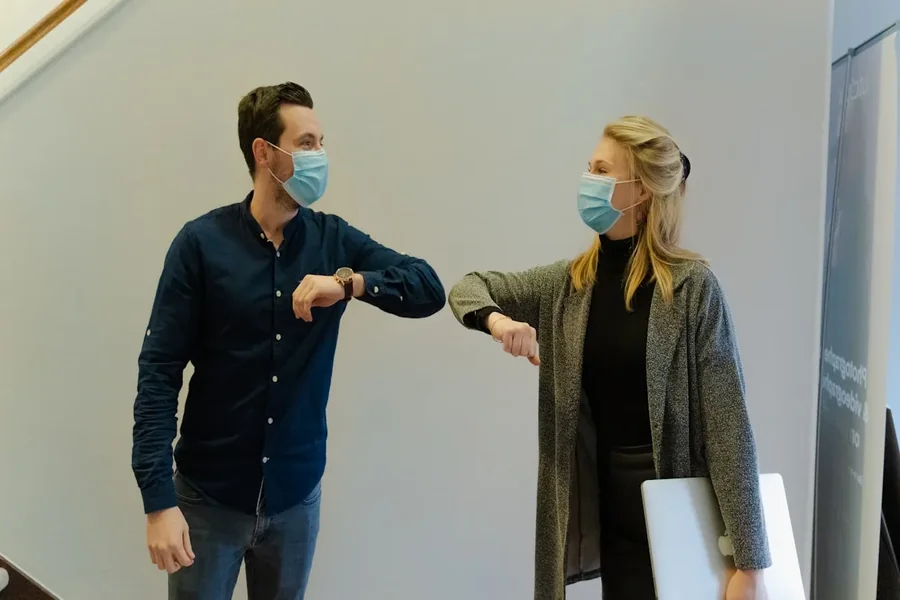
The conversation around workplace wellbeing has taken on new urgency as more employees continue to experience lasting symptoms after infection, making support for Long Covid survivors not only a practical need but also an ethical responsibility. For many individuals, navigating ongoing fatigue, breathing issues, cognitive challenges, and fluctuating symptoms has reshaped their ability to work consistently, which is why discussions around Long COVID long term disability are becoming more common. As companies rethink their values and redefine what it means to treat employees fairly, Long Covid has emerged as a powerful test of whether workplaces are genuinely prepared to prioritize health, compassion, and equity in the modern era.
Understanding the Ethical Imperative to Support Long Covid Employees
Long Covid has revealed the limitations of traditional workplace structures that rely heavily on endurance, constant availability, and rigid productivity expectations. Employees with chronic symptoms often face skepticism or pressure to return before they are ready, which creates a gap between stated company values and actual lived experiences. This disconnect highlights why ethical leadership requires recognizing Long Covid as a legitimate condition that deserves proper accommodation, understanding, and long-term support.
Supporting employees experiencing ongoing symptoms is not simply a matter of policy compliance but a reflection of an organization’s broader ethical culture. When employers choose empathy over doubt and flexibility over rigidity, they demonstrate respect for employees as people rather than as resources. Ethical responsibility involves creating an environment where workers feel safe to communicate their limitations without fear of retaliation or job insecurity.
Addressing Stigma and Misinformation Through Ethical Communication
One of the most overlooked ethical challenges surrounding Long Covid is the persistence of misinformation and the stigma that often accompanies invisible illnesses. Employees may struggle to prove the severity of their symptoms, especially when fatigue, brain fog, and intermittent pain are not immediately visible or easily measured. Ethical employers must take proactive steps to address this knowledge gap, ensuring that managers and team leaders understand what Long Covid can involve and why experiences differ from person to person.
A culture of trust is essential for reducing the pressure employees feel when disclosing health challenges. When employers normalize conversations about chronic illness and provide clear guidance on how to request accommodations, it becomes easier for employees to seek help without fear of being judged or dismissed. Educating teams about Long Covid also helps prevent misunderstandings that can lead to resentment or unequal workload distribution, reinforcing an environment rooted in fairness and mutual respect.
The Role of Workplace Flexibility in Ethical Decision-Making
Flexibility has become one of the most powerful tools available to employers seeking to support workers dealing with prolonged symptoms. Ethical leadership recognizes that productivity is not tied to rigid schedules but to allowing individuals to work in ways that align with their physical and cognitive capabilities. Remote work options, flexible hours, and task adjustments can make the difference between an employee thriving in their role or being forced to leave the workforce prematurely.
Creating adaptable work structures is not only beneficial to the employee but also strengthens the company as a whole. Workers who feel supported are more likely to remain engaged, loyal, and motivated, even when dealing with long-term health challenges. When ethical considerations drive decision-making, flexibility becomes part of the organizational identity rather than a temporary solution influenced by external pressures.
Ensuring Fair Access to Disability Accommodations and Legal Protections
A central ethical concern for Long Covid survivors is the ability to access appropriate disability benefits and workplace accommodations without facing unnecessary barriers. Many employees are still learning how to navigate disability policies and legal protections, making it essential for employers to provide guidance and transparency. This includes ensuring that HR departments are informed about relevant disability legislation and that employees know how to initiate the accommodation process.
Ethical workplaces take responsibility for helping employees understand their rights, especially when dealing with complex issues such as disability claims. By offering clear communication, supportive documentation processes, and compassionate follow-through, companies demonstrate respect for employees navigating a challenging and often emotionally draining experience. This approach not only fulfills legal obligations but also aligns with a broader commitment to justice, fairness, and human dignity.
How Ethical Leadership Shapes Long Term Organizational Culture
The way an organization responds to Long Covid survivors reflects its core values and shapes its culture for years to come. Employees look to leadership for cues about what is acceptable and whether their well-being is genuinely prioritized. When leaders show vulnerability, listen actively, and adapt policies to meet evolving health realities, they set a standard that inspires trust throughout the organization.
Ethical leadership also creates lasting cultural change by centering humanity in workplace decisions. Companies that recognize the long-term significance of chronic illness in the workforce invest in better training, more robust wellness policies, and thoughtful communication strategies. This ensures that employees experiencing Long Covid are not isolated or overlooked but are acknowledged as valuable contributors whose health and dignity must be protected.
Conclusion
Supporting Long Covid survivors in the workplace is not only about adapting policies or offering temporary accommodations but about honoring the ethical responsibility to treat employees with fairness, compassion, and respect. By addressing stigma, encouraging honest communication, expanding flexibility, and ensuring access to disability protections, companies position themselves as leaders in a changing world where health challenges are increasingly complex. As the long-term effects of the pandemic continue to unfold, ethical workplaces have an opportunity to redefine what genuine support looks like and to build a culture that holds space for every individual, regardless of their health journey.