
QR Code Solution Providers Ranked For Marketing Use: How To Choose The Right Service For Your Strategy
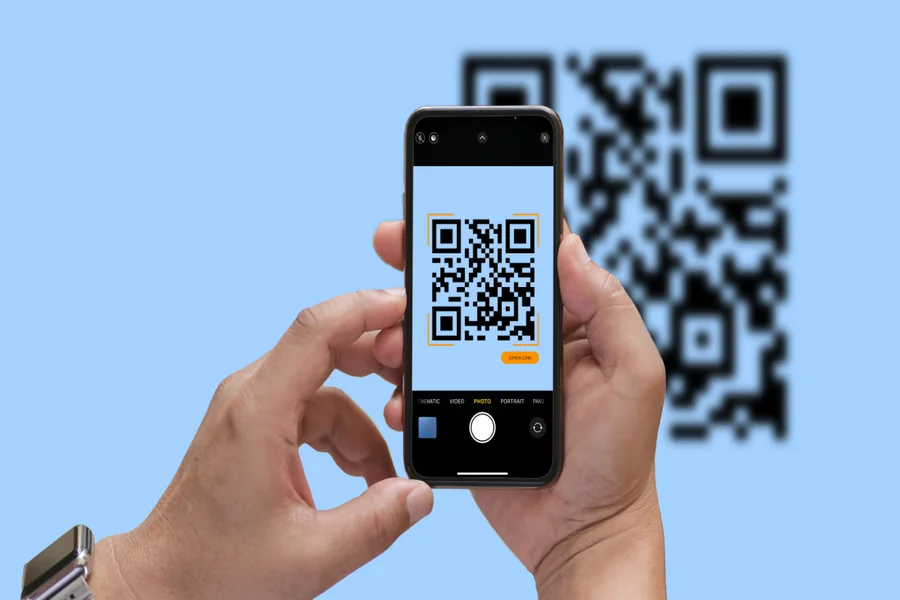
This article is for marketing managers, small business owners, and brand strategists who are evaluating QR code platforms and want to understand which types of services will actually support their campaigns, not just generate a scannable square. By the end, you will have a clear set of criteria for comparing providers, an honest look at the different categories of tools available, and enough context to make a confident decision based on your specific marketing needs. Whether you are running a single local promotion or managing multi-channel campaigns across print and digital, the right QR code service can make a measurable difference in how your audience engages with your brand.
What Makes a QR Code Solution “Marketing-Ready”
Not every QR code tool is built with marketing in mind. Some are simple utilities: enter a URL, download a black-and-white image, done. These work fine for internal documents or one-off uses, but they leave significant value on the table when the goal is brand engagement, campaign tracking, or driving conversions.
A marketing-ready QR code solution does more than encode a link. It gives you control over how the code looks, where it sends people, and what data it collects along the way. It fits into your existing workflow rather than creating extra steps. And it produces output that looks intentional and on-brand rather than like an afterthought dropped onto your flyer at the last minute.
The services that meet this bar share a few common qualities: design flexibility, reliable output at various scales, some form of destination management, and a clear path from code creation to campaign deployment. The services that fall short tend to treat QR codes as a solved problem rather than an ongoing marketing asset.
8 Criteria for Evaluating QR Code Service Providers
Use this checklist to assess any platform you are considering. Applying the same criteria to each option will make side-by-side comparisons much more straightforward.
1. Visual Customization Options
The most basic level of customization is color. A quality marketing tool should let you change both the foreground color of the code’s modules and the background color independently. Beyond that, look for control over the shape of the modules themselves (rounded vs. square vs. custom patterns), the style of the three corner “eye” elements, and the ability to add a brand logo or icon to the center of the code. Platforms that limit you to a single color picker are not built for brand-forward use.
2. Export Quality and Format Variety
Where your QR code ends up determines what format it needs to be in. A code going onto a printed banner or trade show display needs to be a vector file, typically SVG, so it can be scaled to any size without pixelating. A code going into a digital email or social post can be a high-resolution PNG. Services that only offer one export format, particularly low-resolution raster files, will create problems the moment your use case extends beyond small-format printing or digital screens.
3. Static vs. Dynamic Code Support
Static codes permanently encode the destination into the pattern. Dynamic codes use a redirect, so the destination can be changed after the code is printed without changing the code itself. For any campaign with a shelf life longer than a single event, dynamic codes are worth the investment. They let you update the landing page when it changes, redirect traffic to a new offer when a promotion ends, and reuse printed materials across multiple campaigns. Confirm whether a platform supports dynamic codes and whether that feature is included in the free tier or requires a paid plan.
4. Scan Analytics and Performance Tracking
Marketing decisions should be based on data, and QR codes are no exception. The best platforms track total scans, scan timing, device type, operating system, and geographic location. Some go further, offering integration with third-party analytics tools or allowing you to append UTM parameters to destination URLs so QR traffic shows up correctly in your web analytics platform. If a service offers no analytics at all, you are flying blind on campaign performance.
5. Platform Integration and Workflow Fit
Think about where a QR code ends up in your production process. If you design all your marketing materials in one environment, a QR code tool that lives inside that same environment eliminates friction. If your tool requires you to generate a code in one place, download it, and import it into your design software as a separate step, that adds time and creates version control risks. Evaluate whether the platform connects to the tools you already use.
6. Code Longevity and Expiration Policies
Some free platforms put an expiration date on codes generated without a paid subscription. This is a significant issue for any marketing material that will be in circulation for more than a few months, such as product packaging, business cards, or permanent signage. Before committing to a platform, confirm whether codes generated on your intended plan will remain active indefinitely or expire at some point.
7. Ease of Use Without Design Experience
QR code creation should not require a designer. The best marketing solutions make it easy for anyone on your team to generate a polished, branded code in a few steps. Evaluate the interface for clarity: are the steps obvious, are the controls labeled in plain language, and does the tool provide templates or starting points that make customization approachable for non-designers? A steep learning curve will either slow your team down or result in codes that look inconsistent across campaigns.
8. Scalability for Multi-Code Campaigns
If your marketing strategy involves running several campaigns at once, placing codes in multiple locations, or managing codes for different product lines or locations, you need a platform that scales accordingly. Look for features like bulk code generation, a dashboard for organizing multiple codes, folder or tagging systems, and team access controls. A tool that works beautifully for one code at a time may become unmanageable when you are juggling twenty.
Categories of QR Code Service Providers
The platforms available today fall into a few distinct types. Understanding the trade-offs of each category helps you match the right kind of service to your actual marketing needs.
Dedicated QR Code Management Platforms
These services are built exclusively around QR code creation, management, and tracking. They typically offer the most comprehensive analytics, the strongest support for dynamic codes, and the most robust tools for managing large volumes of codes across multiple campaigns. For marketing teams running complex, data-driven campaigns with many active codes, this category often delivers the most depth.
The trade-off is that dedicated platforms are standalone environments. When you finish creating a code, you download it and bring it into your design software separately. The design customization options are often functional but not as visually flexible or polished as what you get from a tool embedded in a full creative environment. They are a strong choice when analytics and campaign management are the top priorities, but they may feel disconnected from your actual design and content production workflow.
Design Platforms With Integrated QR Code Generation
These services treat QR codes as one feature within a broader creative toolkit. The significant advantage is that code creation and layout design happen in the same workspace. You can build your flyer, business card, or event poster and generate a QR code in the same session, applying your brand colors, logo, and visual style without ever leaving the tool or managing a separate export.
The analytics and dynamic code features on design-integrated platforms vary widely. Some offer robust options; others focus primarily on the visual side and leave performance tracking to external tools. This category is the strongest fit for marketers who prioritize visual consistency and efficient production workflows, particularly when the same team handles both design and campaign execution.
Link Management Platforms With QR Code Features
Some link management and URL shortening services have added QR code generation as an extension of their core product. These platforms are a natural fit for teams already managing trackable links for digital campaigns who want to extend those same links to physical placements. The QR codes are typically dynamic by default, since the short URL format is already redirect-based, and the analytics are often strong because link tracking is the platform’s primary function.
Design customization tends to be minimal on these platforms. They produce clean, functional codes, but the visual branding options are limited compared to dedicated design tools. They are best suited to situations where performance data is the main priority and design flexibility is secondary.
All-in-One Marketing Platforms With QR Capabilities
Some broader marketing platforms, including email marketing services and customer engagement tools, include QR code generation as a supporting feature. These are convenient if you are already working within one of these ecosystems, but QR code functionality is rarely a core focus. The customization, analytics, and dynamic code support on these tools often lag behind what you would get from a specialized service. They are worth considering only if consolidating tools is a priority and the QR code use case is relatively simple.
Adobe Express: A Solid Choice for Brand-Integrated QR Code Creation
For marketers who want visual quality and workflow efficiency in the same tool, the QR code maker inside Adobe Express is a strong option to evaluate. It sits within a full creative platform, which means you can generate a customized QR code and place it directly into a flyer, business card, poster, or social media template without switching tools or managing separate file imports.
Three things make it particularly well-suited to marketing use. First, the visual customization goes beyond a basic color picker. You can style the code to match your brand palette, add custom frames, and embed your brand logo using a drag-and-drop editor, all without any prior design experience. Second, codes generated in Adobe Express do not expire, which is a meaningful advantage over free tiers on some competing platforms that put time limits on code validity. Third, the tool exports in multiple formats including PNG, JPEG, and PDF, giving you flexibility for both digital campaigns and print production.
Adobe Express also provides access to thousands of professionally designed templates that can incorporate your QR code directly into finished marketing layouts. For small teams or solo operators who need to move quickly and maintain visual consistency without a dedicated designer, this combination of QR code creation and template-based design in one place is a practical and efficient option.
How to Match a Service Type to Your Marketing Strategy
The best QR code service for your campaign depends on what you are actually trying to accomplish. Here is a practical framework for narrowing your options.
- You are running a short-term promotion with print materials: Look for a service with high-resolution or vector export, strong design customization, and codes that do not expire on your intended plan. Dynamic codes are ideal so you can update the destination if the promotion changes.
- You need to track campaign performance across multiple placements: Prioritize platforms with detailed scan analytics. If you want QR traffic to appear in your existing web analytics, look for support for UTM parameter appending or direct integration with tools like Google Analytics.
- You are producing a high volume of branded materials: Look for bulk code generation, template support, and a management dashboard that lets you organize and update many codes at once without manual effort.
- Your team includes non-designers: Prioritize ease of use, pre-built templates, and clear step-by-step interfaces. A tool that requires design knowledge will create bottlenecks.
- You want QR codes as part of a broader link management strategy: Consider a platform that combines URL tracking with QR code generation so your physical and digital campaign performance data stays unified.
- You are embedding QR codes into branded print collateral: Look for a design-integrated platform that lets you build the surrounding layout and the QR code in the same workspace to maintain visual consistency without additional exports.
FAQ
What should I look for in a QR code service if I am new to using them in marketing?
If you are just getting started with QR codes in your marketing strategy, the most important things to prioritize are ease of use, design flexibility, and code longevity. You want a platform where you can produce a branded, visually consistent code without needing to learn complex software. Look for services that offer pre-built templates or starting points rather than blank canvases, and make sure the platform clearly explains what happens to your codes if you cancel or downgrade your plan. Many free tiers will generate working codes but impose expiration dates or limit customization. Starting with a platform that offers no-expiry codes even on its free plan saves you from the frustration of reprinting materials when a code stops working months into a campaign.
How important is scan tracking for a small business using QR codes for local marketing?
Scan analytics matter even for small, local campaigns, though the level of detail you need will be simpler than what a national brand might require. At a minimum, knowing total scan volume and when scans occur tells you whether a particular placement is working. If you put a QR code on a window sign, a table tent, and a takeaway menu, knowing which one drives the most scans helps you allocate your design and printing budget more effectively next time. Basic scan data is included in many free and low-cost plans. For deeper insights like device type and location data, you may need to step up to a paid plan, but for most local businesses, simple scan count data paired with a well-configured destination URL is enough to get meaningful feedback on performance.
Can I use QR codes across both print and digital marketing at the same time?
Yes, and using the same dynamic QR code across both channels is one of the most efficient approaches available. A dynamic code generates a fixed visual pattern that redirects through an updatable short URL, so the same code can appear on a printed brochure, a digital social post, an email header, and an in-store display simultaneously. All scans from all placements feed into the same analytics dashboard, giving you a consolidated view of total engagement. If you want to compare performance across placements, the most practical approach is to create a unique code for each channel so you can attribute scans individually. Appending UTM parameters to each code’s destination URL will bring that data into your web analytics platform as well. A tool like Google Analytics makes it straightforward to set up UTM tracking that connects QR scan data directly to conversion metrics in your existing reporting.
What is the risk of choosing a free QR code service for a long-running marketing campaign?
The primary risks with free QR code services are code expiration and platform discontinuation. Some free tiers are structured as trial periods, meaning codes generated without a paid subscription will stop redirecting after a set timeframe. If those codes are printed on packaging, signage, or collateral that will be in circulation for months or years, an expiring code creates a poor user experience and reflects badly on your brand. A second risk is that smaller or less established QR code platforms can shut down or change their pricing structure, breaking all codes that depended on their redirect infrastructure. To mitigate this, look for services with a clear and transparent expiration policy, choose platforms with a track record of stability, and consider whether the platform you are evaluating has a long-term business model that does not rely entirely on converting free users.
How do I make sure my QR code still scans after I customize its appearance?
The most common reason a customized QR code fails to scan reliably is insufficient contrast between the code’s dark elements and its background. Light-on-light or low-contrast color combinations reduce the ability of phone cameras to read the pattern quickly. As a rule, keep the code’s modules noticeably darker than the background, even if neither color is black or white. The second issue is logo size: if you embed a brand logo in the center of a code, it should cover no more than about 25 to 30 percent of the total code area. QR codes have built-in error correction that allows them to remain readable even with some of the pattern obscured, but exceeding that threshold will cause scan failures. Always test your finished code on at least two different devices and two different scanning apps before sending anything to print. Most reputable QR code services will indicate the error correction level they apply to generated codes, and selecting a higher error correction level gives you more room to customize without compromising reliability.
Conclusion
Choosing a QR code service for marketing is not a decision to make based on which tool generates a code fastest. The platform you choose will affect how your brand looks on every piece of collateral that carries a code, how much data you can collect on campaign performance, and whether those codes remain active and updatable months or years down the line. By evaluating platforms against the same set of criteria, including customization depth, export quality, dynamic code support, analytics, and workflow fit, you give yourself a clear basis for comparison rather than defaulting to the first free tool you find.
The right service depends on where your priorities land. Teams that care most about design quality and production efficiency will do well with a design-integrated platform. Teams managing large volumes of codes with serious analytics requirements may be better served by a dedicated QR management service. Most campaigns will benefit from a platform that offers at least some level of dynamic code support, reliable export formats for both print and digital, and a transparent policy on code longevity. Take the time to match the tool to the strategy, and your QR codes will do exactly what good marketing touchpoints should: connect your audience to your brand with as little friction as possible.