
A Guide to Making Your Home Feel More Supportive for Your Well-being
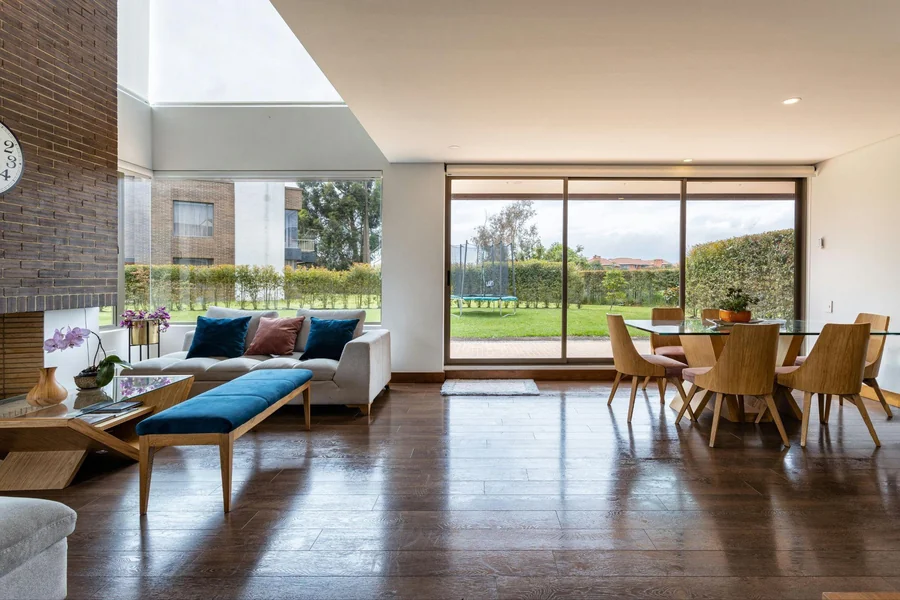
Home is where most of us spend a large part of our day, so it makes sense that the way it looks and feels can shape our mood. When a space feels calm, organized, and comfortable, it often becomes easier to settle in, unwind, or move through the day without feeling overwhelmed. The good news is that a supportive home does not require big changes. Small adjustments can help your space feel more in line with what you need.
You might notice that some areas of your home feel peaceful while others feel busy or scattered. This guide will help you create a setup that supports your well-being through simple steps. You can look at how you eat, how you rest, how you move, and how your home works for you. With small, thoughtful choices, your space can feel more stable and more in tune with your daily life.
1. Creating a Space That Supports Your Daily Nutrition
Your kitchen and dining areas play a big role in your day. The way you store food and set up your space can shape the choices you make. When nutritious items are easy to reach, it often feels simpler to prepare meals that support your needs. You can start by placing fresh fruit in a bowl on the counter or keeping water within reach at all times. If you enjoy cooking, you might organize your pantry so you can find common items quickly.
Many people also like to keep convenient options in the kitchen for busy days. These might include light snack bars, meal replacement shakes, protein shakes, or even wellness supplements. You can look at brands such as USANA Health Sciences when choosing these types of products, since they offer items like shakes, bars, and supplements that can fit into simple daily routines.
2. Designing Spaces That Help You Feel Calm
A calm home often starts with the environment around you. The light in your space, the way furniture sits, and even the colors on your walls can shape how relaxed you feel. Softer lighting can help set a peaceful tone. Warm table lamps, string lights, or soft bulbs can create a gentler mood than bright overhead lights.
Clutter can create visual noise, so reducing extra items can make a room feel more grounded. You do not need to remove everything. You can start by clearing surfaces and keeping only what you want to see each day. Adding a few items you enjoy, like a plant or a framed photo, can make the space feel warm without feeling crowded.
Sound also matters. If your home feels loud, you might create quiet corners where you can step away. This could be a small reading chair, a space by the window, or a quiet bedroom area.
3. Organizing Your Home for Ease and Flow
Organization helps your home feel like a place that supports you instead of pulling your attention in many directions. A well-organized space makes it easier to move through daily tasks and find what you need without stress. You can start small. Choose one drawer, shelf, or closet and clear what you no longer use. Group items by purpose so you can find them instantly.
Storage bins, baskets, or simple containers can help you group items while keeping your space clean. Labeling can also help if you share your home with others. When everything has a place, your home often feels more manageable.
Think about the areas where you spend the most time. Your workspace, living room, or kitchen might benefit from items being stored in a more open or practical way.
4. Creating Areas That Support Movement
Movement can be part of your home environment, and you do not need a large space to support it. A small corner can hold a yoga mat or a few basic items like resistance bands or light weights. You can also leave a clear space in your living room for stretching or activities that help your body stay active.
The goal is to create a space where movement feels natural. You might set aside a few minutes during your day to stretch or walk in place. If you enjoy guided movement, you can set up a device where you can watch a video or listen to music. The space should feel safe and open enough for you to move comfortably.
Even simple movement throughout your day can help you maintain a sense of balance. A small, dedicated area makes it easier to choose movement in a way that feels enjoyable and not forced.
5. Setting Up a Personal Space for Mental and Emotional Comfort
Your home can support your mental and emotional well-being when you create areas that help you feel settled. A personal spot for quiet moments does not need to be large. It can be a favorite chair, a place by a window, or a cozy nook. You can place items there that bring you comfort, such as a journal, a soft blanket, or a book you enjoy.
This space can act as a pause in your day. When you sit there, you can take a breath, reflect, or unwind. It is a place where you can slow down without distraction. If you enjoy calm music, you might keep a small speaker there. If you feel more centered outdoors, you might place your chair near natural light.
A supportive home is not built in one day. It grows from small choices that help you feel more at ease. When your space supports your nutrition, movement, rest, and emotional needs, you feel more grounded and steady. You do not need big changes. Simple steps like clearing clutter, creating calm corners, organizing your kitchen, or adjusting your lighting can make a real difference.
Your home should fit your life. As you notice what feels good and what does not, you can adjust your space in a way that supports your wellbeing. Over time, these small shifts create a home that feels peaceful, calm, and aligned with who you are.