
The Role of Bed Frames in Shaping a Functional and Well-Designed Bedroom
A bed frame is a fundamental element in bedroom furnishing that influences both the functionality and aesthetic quality of a space. While often treated as a secondary consideration compared to mattresses or décor, it plays a central role in determining comfort, organisation, and overall room design. Choices like a HipVan bed frame in Singapore illustrate how contemporary designs blend functionality with modern aesthetics to complement a variety of living spaces. Modern furniture providers such as HipVan in Singapore demonstrate how bed frames have evolved into versatile pieces that combine structure, style, and practical features suited to contemporary living.
Structural Foundation and Everyday Function
A bed frame serves as the essential support system for a mattress. It ensures stability, distributes weight evenly, and prevents sagging or uneven wear over time. Without a properly designed frame, even a high-quality mattress may underperform, leading to reduced comfort and a shorter lifespan.
Beyond structural support, the bed frame also establishes the physical presence of the sleeping area. It anchors the bed within the room, helping define spatial layout and movement flow. As a result, selecting a suitable frame is not only a matter of preference but also an important functional decision that affects long-term usability.
Selecting the Appropriate Size
Bed frames are available in standard sizes such as single, double, queen, and king, each catering to different space requirements and sleeping preferences. The correct size depends largely on room dimensions and the intended user experience.
Larger frames provide greater sleeping space and comfort, particularly for couples or individuals who prefer more room to move. However, they require a more spacious bedroom to avoid overcrowding. Smaller frames are more suitable for compact spaces, as they allow better circulation and leave additional room for storage or other furniture.
Choosing the right size is a balance between comfort and spatial efficiency, ensuring that the bed complements rather than dominates the room.
Material Choices and Their Characteristics
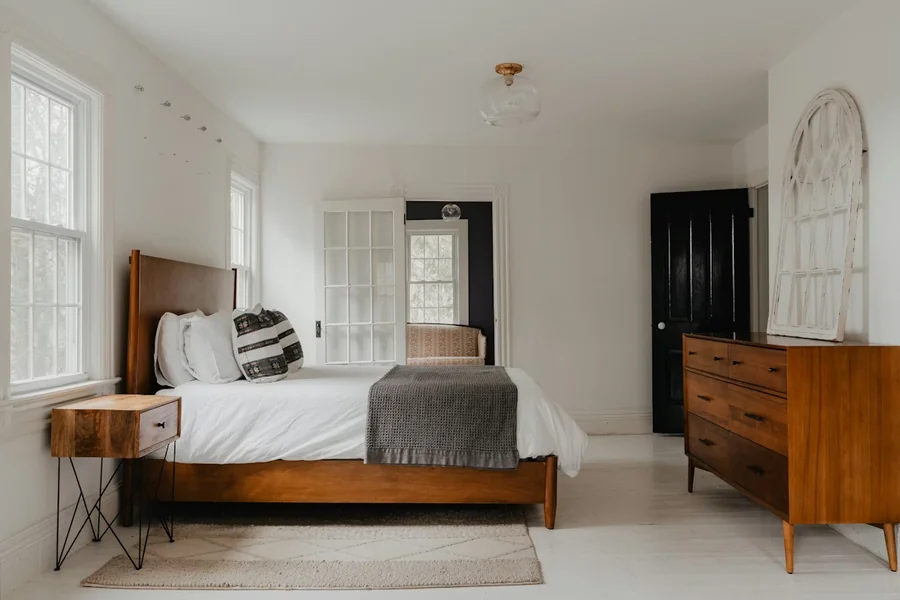
The material of a bed frame significantly influences both its durability and visual appeal. Wooden frames remain a popular choice due to their strength, longevity, and timeless aesthetic. They often introduce warmth into a room and can complement both traditional and modern interiors, depending on the finish and design.
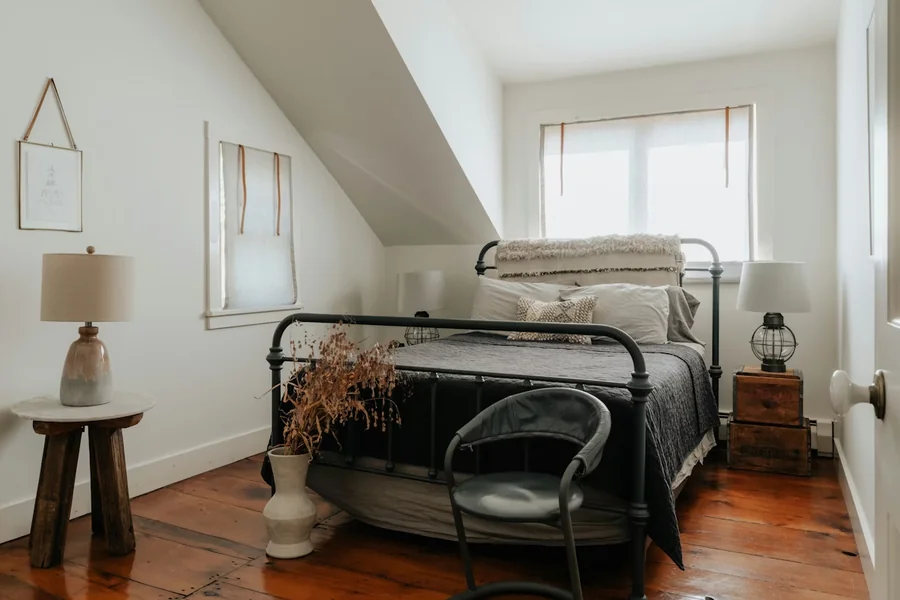
Metal frames, by contrast, are associated with minimalism and modern design. They are typically lighter, easier to maintain, and often more affordable. Their sleek profiles suit contemporary spaces where simplicity and clean lines are preferred.
Each material presents distinct advantages, and the choice often depends on whether durability, maintenance, or aesthetic preference is the primary consideration.
Contribution to Interior Design
A bed frame plays a key role in shaping the overall design language of a bedroom. It is often one of the largest and most visually dominant pieces in the room, making it a defining element of the interior style.
Design features such as upholstered headboards, wooden panelling, or metal detailing contribute to the mood and theme of the space. For example, upholstered frames can create a soft, luxurious atmosphere, while minimalist metal frames reinforce a modern and uncluttered look.
Well-designed frames also integrate functional features such as storage compartments or modular components, which further enhance their role in interior planning. The integration of form and function allows the bed frame to support both aesthetic goals and practical needs.
The Importance of Bed Height
Bed height is an often-overlooked but important design factor. It affects accessibility, comfort, and even the perceived size of the room. Higher bed frames provide easier access for some users and often include space underneath for storage. This is particularly useful in smaller homes where maximising space is essential.
Lower frames, on the other hand, create a more grounded and open visual effect. They can make ceilings appear higher and contribute to a more spacious atmosphere. The selection of height should therefore consider both physical comfort and visual impact within the room.
Integrated Storage Solutions
In urban environments where space is limited, bed frames with built-in storage have become increasingly valuable. Designs that include drawers, compartments, or lift-up mechanisms allow users to store items efficiently without requiring additional furniture.
This type of multifunctional design helps reduce clutter and maintain a clean, organised bedroom environment. It is particularly beneficial for individuals living in apartments or compact homes where every square metre of space matters. Storage-integrated bed frames provide a practical solution that supports both minimalism and functionality.
Modern Features and Enhanced Comfort
Advancements in furniture design have introduced bed frames with enhanced features that go beyond basic support. Adjustable bases are one such innovation, allowing users to modify the angle of the head or foot of the bed.
These adjustments improve comfort for activities such as reading, working, or watching television in bed. They also support better posture and can contribute to improved relaxation. Such features reflect a growing demand for personalised comfort and adaptable living solutions.
Influence on Sleep Quality
The quality of a bed frame has a direct impact on sleep. A stable and well-constructed frame reduces movement disturbances and ensures consistent mattress support. This stability is essential for maintaining proper spinal alignment and reducing discomfort during rest.
Poorly constructed or mismatched frames can lead to noise, instability, or uneven support, all of which negatively affect sleep quality. In contrast, a well-designed frame enhances overall restfulness and contributes to better long-term sleep health.
Evolving Design Trends
Recent trends in bed frame design reflect a shift toward sustainability and adaptability. Increasing awareness of environmental impact has led to greater demand for eco-friendly materials and responsibly sourced wood.
At the same time, customisable designs are gaining popularity, allowing users to tailor bed frames to specific aesthetic or functional needs. This includes interchangeable headboards, modular storage systems, and flexible configurations that adapt to changing lifestyles.