
The Role of Human Factors in Understanding Visibility and Nighttime Crashes
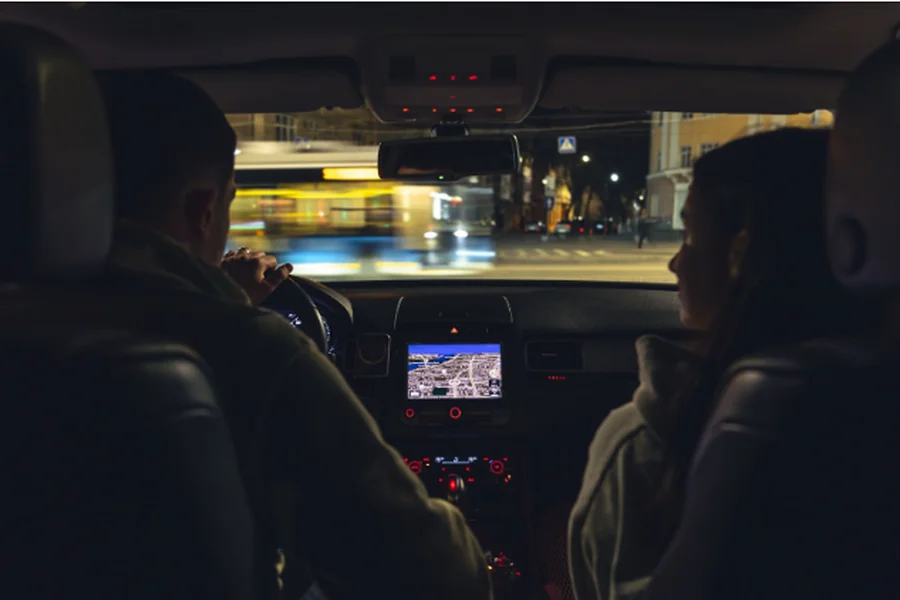
Nighttime driving presents a unique and dangerous challenge on modern roadways. While traffic volume is lower after dark, the risk of severe crashes rises significantly. Reduced lighting, visual fatigue, glare, and delayed reaction times all contribute to an increased likelihood of serious accidents.
To fully understand why crashes occur at night, it is essential to examine the role of human factors research. This field explores how drivers perceive, process, and respond to visual information in real-world conditions. When visibility decreases, the limits of human perception become critical to crash analysis and prevention.
By studying human factors in road safety, researchers, engineers, and legal professionals gain deeper insight into how visibility limitations, driver expectations, and cognitive workload combine to create hazardous nighttime conditions.
Why Nighttime Driving Is Fundamentally Different
Driving at night is not simply daytime driving with less light. Human vision operates differently in low-light environments, and the brain processes visual cues more slowly and less accurately.
Key differences include:
- Reduced contrast sensitivity
- Narrowed field of view
- Increased reliance on headlights and artificial lighting
- Greater susceptibility to glare from oncoming vehicles
These limitations directly affect driver visibility at night and increase the likelihood of missed hazards, delayed reactions, and incorrect judgments.
From a safety perspective, understanding these perceptual challenges is central to improving night driving safety.
Human Factors Research and Nighttime Crash Risk
Human factors research focuses on how people interact with systems, environments, and tools. In roadway safety, this means studying how drivers see, think, decide, and act behind the wheel.
At night, these processes are stressed by:
- Lower luminance levels
- Visual clutter from artificial lights
- Fatigue and circadian rhythm disruption
- Reduced ability to detect motion and depth
When these factors interact, they significantly increase the risk of human factors in nighttime crashes.
Human factors analysis helps explain why a driver may not perceive a pedestrian, object, or roadway feature in time to avoid a collision, even when they appear to be driving responsibly.
Driver Perception at Night: Seeing Is Not Always Believing
One of the most misunderstood aspects of nighttime crashes is driver perception at night. Many assume that if an object is visible in hindsight, it should have been visible to the driver at the time of the crash.
Human perception does not work this way.
At night, drivers rely heavily on contrast rather than color or detail. Objects that do not reflect light well or blend into the background may go unnoticed until it is too late. This includes:
- Dark clothing on pedestrians
- Unlit vehicles or trailers
- Roadway debris
- Poorly illuminated signage
Human factors experts analyze these perceptual limitations to determine what a driver could reasonably have seen under actual nighttime conditions.
Visibility vs Detection: A Critical Distinction
In crash analysis, visibility and detection are not the same. An object may be technically visible within a headlight beam but still not detected by the driver.
Detection depends on:
- Contrast with the background
- Driver attention and workload
- Expectancy of hazards
- Visual scanning behavior
This distinction is central to human factors in road safety and is often overlooked in traditional crash assessments.
Understanding detection failures helps explain many causes of nighttime car accidents that cannot be attributed solely to speeding or distraction.
Human Error in Night Crashes: A Systemic Perspective
When nighttime crashes occur, the term human error is often used broadly. However, human error in night crashes must be evaluated within the context of human limitations.
Errors may include:
- Failure to detect a hazard
- Misjudging distance or speed
- Delayed braking or steering
- Incorrect evasive maneuvers
Human factors research emphasizes that these errors are often predictable and preventable when roadway design, lighting, and vehicle systems align with human capabilities.
Blaming the driver without examining environmental and perceptual constraints oversimplifies complex crash dynamics.
The Impact of Lighting and Contrast on Driver Visibility
Lighting quality matters as much as lighting quantity. Poorly designed or inconsistent lighting can worsen visibility rather than improve it.
Problems include:
- Glare from high-intensity headlights
- Over-illumination that reduces contrast
- Shadows that obscure hazards
- Visual clutter from signs and signals
These factors directly influence driver visibility at night and contribute to delayed hazard recognition.
Human factors specialists evaluate how lighting interacts with human vision to determine whether a roadway environment supports or undermines safe driving.
Why Drivers Miss Critical Visual Information at Night
A common finding in human factors casework is that drivers miss critical visual cues at night even when they are present.
The reasons drivers miss lights and signals include:
- Visual adaptation delays
- Competing light sources
- Expectancy bias
- Cognitive overload
These missed cues are a key contributor to human factors in nighttime crashes and often play a decisive role in collision causation.
Fatigue and Cognitive Load After Dark
Nighttime driving frequently coincides with fatigue, which further degrades perception and reaction time.
Fatigue effects include:
- Slower visual processing
- Reduced vigilance
- Narrowed attention
- Increased reaction time
When combined with low visibility, fatigue significantly increases crash risk. This interaction is a major concern in night driving safety analysis.
Human factors research helps quantify how fatigue alters driver performance and contributes to errors that lead to nighttime collisions.
Reaction Time and Nighttime Hazards
Reaction time is not constant. It varies based on lighting, expectancy, and cognitive workload.
At night:
- Hazards are detected later
- Decision-making is slower
- Motor responses are delayed
This delay can mean the difference between a near miss and a severe crash.
Human factors professionals use perception-reaction time analysis to determine whether a driver had a reasonable opportunity to avoid a hazard under nighttime conditions.
Roadway Design and Human Factors at Night
Roadway design plays a major role in nighttime crash risk. Curves, intersections, signage placement, and lane markings must account for human visual limitations.
Design flaws that contribute to crashes include:
- Poorly marked curves
- Inadequate reflective materials
- Confusing intersections
- Inconsistent lighting transitions
Understanding human factors in road safety allows engineers and analysts to identify design elements that increase the likelihood of nighttime errors.
Legal and Investigative Applications
Human factors analysis is increasingly used in legal cases involving nighttime crashes. Attorneys rely on this research to understand what a driver could realistically perceive and respond to.
Human factors experts help answer questions such as:
- Was the hazard visible in time?
- Were lighting conditions adequate?
- Did glare or contrast issues impair detection?
- Were driver expectations reasonable?
This approach provides a scientifically grounded explanation for many causes of nighttime car accidents that are not immediately obvious.
Vehicle Technology and Human Limitations
Modern vehicles include advanced lighting systems, driver assistance technologies, and alerts designed to improve nighttime safety. However, technology must align with human capabilities to be effective.
Poorly designed systems can:
- Increase distraction
- Create false confidence
- Add cognitive workload
Human factors research evaluates how drivers interact with these technologies at night and whether they truly enhance night driving safety.
Pedestrians and Nighttime Visibility
Pedestrian crashes are disproportionately high at night. Dark clothing, unpredictable movement, and limited lighting all contribute to detection failures.
Human factors analysis examines:
- Contrast between pedestrians and background
- Headlight illumination patterns
- Driver scanning behavior
- Expectancy of pedestrian presence
These insights are critical to understanding human factors in nighttime crashes involving vulnerable road users.
Why Understanding Human Factors Matters
Reducing nighttime crashes requires more than better enforcement or stricter penalties. It requires designing systems that work with human limitations rather than against them.
By applying human factors research, stakeholders can:
- Improve roadway lighting and design
- Enhance vehicle safety systems
- Develop better training and education
- Conduct more accurate crash investigations
This approach leads to safer roads and fairer evaluations of crash causation.
Conclusion
Nighttime crashes are rarely caused by a single factor. They result from the interaction of reduced visibility, human perception limits, fatigue, roadway design, and environmental conditions.
Understanding driver perception at night and the role of human error in night crashes provides a more accurate and scientifically grounded view of why accidents happen after dark.
By focusing on human factors in road safety, researchers and professionals can identify preventable risks, improve system design, and ultimately reduce the devastating impact of nighttime collisions.
Human factors research does not excuse unsafe behavior. It explains reality. And understanding that reality is essential to preventing future crashes.