
4 Common Causes of Roof Damage in Conneaut
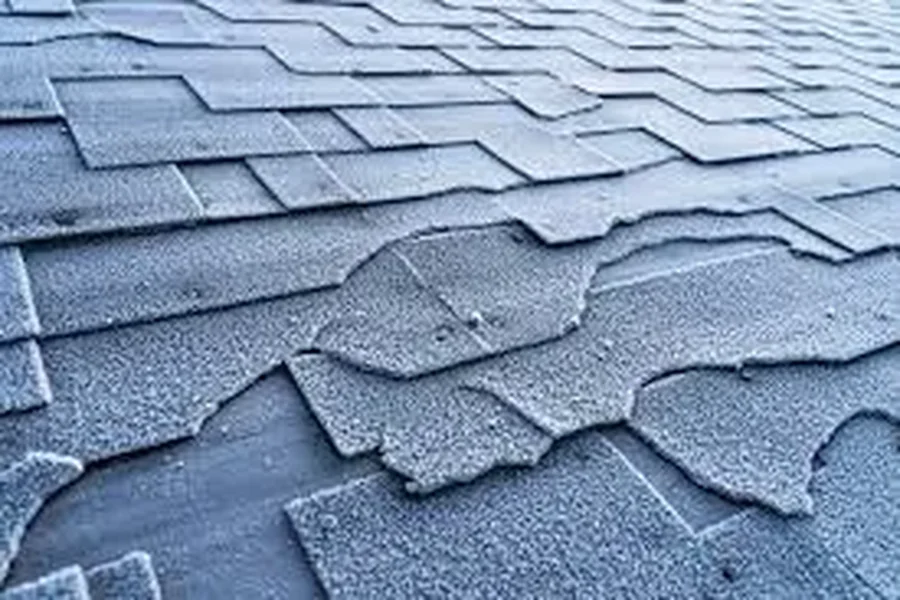
A roof stands against wind, moisture, and shifting temperatures of Conneaut day after day. Over time, even strong materials wear down under that constant pressure. Small issues can form early and remain hidden until they cause visible damage.
Top roofer contractors in Conneaut sometimes find that weather, blocked ventilation, and neglected drainage are responsible for many repair calls. Aging materials and structural stress also lead to damage that can affect more than just surface layers. Learning how each of these factors works makes it easier to protect a roof before problems take hold.
1. Heavy Storms and Weather Strain
Storms bring a mix of elements that slowly wear away at roofs. Wind lifts shingles, rain seeps through weak spots, and snow adds weight that presses down on the structure. Ice sometimes forms under shingles and expands in tight spaces, forcing apart seals or cracking rigid parts.
Surfaces exposed to frequent storms lose strength in critical areas. Flashing around vents and chimneys can loosen or shift. Sealants dry out and shrink with sun exposure, leaving behind gaps that let water in. Once moisture reaches lower layers, rot or mold can follow. Regular inspections after major storms can help catch these early signs.
2. Blocked Ventilation and Internal Moisture
Roof ventilation controls airflow and balances indoor and outdoor temperatures. When vents become blocked by debris, insulation, or animal activity, moisture builds up in the attic. That trapped humidity weakens wood, softens insulation, and encourages mold. Damage starts below the roof deck and grows outward.
Without proper airflow, warm air stays under the surface during cold months. That can lead to ice dams and uneven heat loss. During summertime in Conneaut, trapped heat increases energy costs and pushes roofing materials past their limits. Homes need clear vents year-round to reduce this type of slow, hidden damage.
3. Material Age and Surface Breakdown
As roofs age, the outer layers begin to show wear. Shingles lose their protective granules and become brittle. Edges start to curl, allowing water to slip beneath. The surface no longer deflects debris or holds its seal against rain. These signs sometimes appear after ten to fifteen years, depending on the material and exposure.
Flashing and caulking also wear down with time. They may look fine from the ground, but allow small leaks to develop. Joints around skylights, chimneys, and vent pipes should be checked regularly. Preventive replacement of worn parts can extend the roof’s life and avoid deeper repair needs.
4. Drainage Issues and Water Pooling
A working roof must channel water away without delay. If gutters clog or the roof pitch shifts, water begins to pool in certain areas. That weight adds strain to the shingles and the deck underneath. Over time, soaked materials begin to sag or separate from the structure.
- Watch for signs like:
- Overflow at gutter corners
- Pooled water near flashing
- Water trails beneath the roof edge
Why Local Experience in Conneaut Helps Spot These Issues
Top roofer contractors in Conneaut understand how local conditions shape roof problems. Lake-effect snow, wind shifts, and cold snaps all leave signs that trained eyes can recognize. That experience helps identify damage sources faster and recommend what works best for the structure.
Regular reviews help prevent problems before they spread. Spotting early signs avoids deeper issues across layers. If any area shows change, contacting a qualified expert nearby is the safest next move.