
Water Damage Restoration vs. Replacement: How Experts Decide
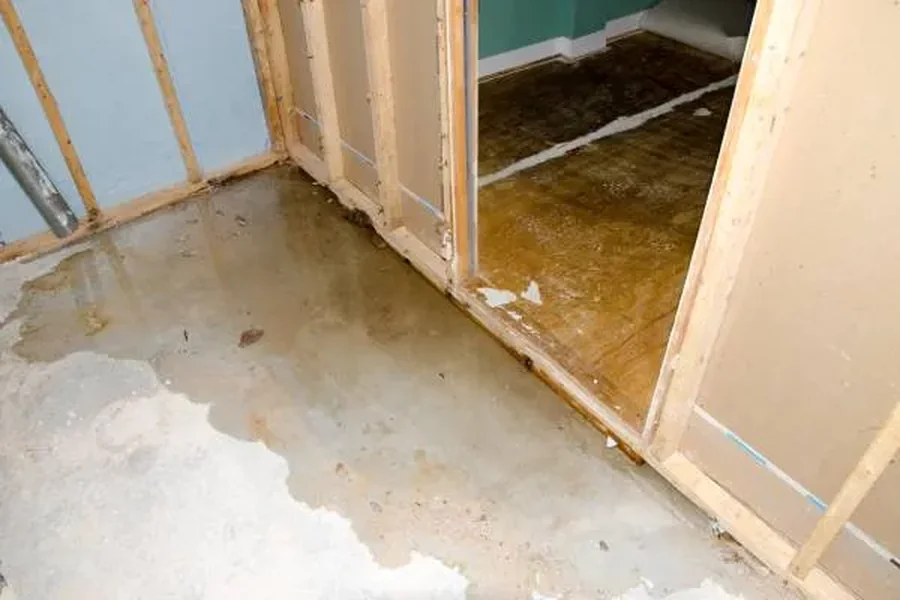
Water damage is one of the most challenging issues homeowners face, often leaving them uncertain about whether to restore affected areas or replace them entirely. Restoration contractors are trained to evaluate the extent of damage and determine the most cost-effective and safe solution. Their decision-making process involves balancing structural integrity, health risks, and financial considerations. Understanding how experts decide between restoration and replacement helps homeowners make informed choices when dealing with water-related disasters.
Assessing the Extent of Damage
The first step in deciding between water damage restoration Fordham and replacement is a thorough assessment of the damage. Experts examine how deeply water has penetrated materials such as drywall, flooring, and insulation. If the damage is superficial and limited to surface moisture, restoration is often possible. However, if water has saturated structural components or caused warping, replacement may be necessary. Contractors use moisture meters and infrared cameras to detect hidden water pockets that could compromise the home if left untreated.
Considering the Type of Water Involved
Not all water damage is equal. Restoration professionals categorize water into three types: clean water, gray water, and black water. Clean water from broken pipes or rain is relatively safe and often allows for restoration. Gray water, which may come from appliances or showers, contains contaminants that require more extensive cleaning. Black water, typically from sewage backups or flooding, poses serious health risks and often necessitates replacement of affected materials. The type of water involved plays a decisive role in whether restoration is feasible or replacement is unavoidable.
Evaluating Health Risks
Mold growth is one of the most significant concerns following water damage. Mold can begin to develop within 24 to 48 hours, spreading quickly and releasing spores that affect indoor air quality. Restoration experts carefully evaluate whether materials can be dried and sanitized effectively or if they pose ongoing health risks. If mold has deeply infiltrated porous materials such as carpets, drywall, or insulation, replacement is usually the safer option. Protecting the health of occupants is always a priority in the decision-making process.
Cost and Insurance Considerations
Financial factors also influence whether restoration or replacement is chosen. Restoration is generally less expensive than replacement, but it may not always be sufficient for long-term safety. Insurance coverage plays a major role, as policies may cover certain types of water damage but exclude others. Contractors often work with insurance adjusters to determine what is covered and recommend solutions that align with both safety and financial realities. In some cases, replacing damaged materials may be more cost-effective in the long run, especially if restoration would require repeated treatments.
Long-Term Structural Integrity
Experts also consider the long-term durability of the property. If water damage has weakened structural components such as beams, flooring, or foundations, replacement is essential to ensure stability. Restoration may temporarily mask issues, but it cannot reverse severe deterioration. Contractors weigh the risks of future failures against the immediate benefits of restoration, often recommending replacement when structural integrity is compromised.
Balancing Restoration and Replacement
In many cases, the decision is not entirely one or the other. Restoration and replacement are often combined to achieve the best outcome. For example, a contractor may restore walls and ceilings while replacing flooring and insulation. This balanced approach allows homeowners to save money while ensuring safety and durability. Experts tailor their recommendations to the specific circumstances of each property, considering both short-term recovery and long-term resilience.
Conclusion
The decision between water damage restoration and replacement is complex, requiring careful evaluation of damage severity, water type, health risks, costs, and structural integrity. Restoration is often possible when damage is limited and safe to repair, while replacement becomes necessary when contamination or deterioration is too severe. By relying on expert assessments, homeowners can make informed choices that protect their property, finances, and health. Ultimately, the goal is not just to repair what is visible but to ensure that the home remains safe, stable, and resilient against future water-related challenges. Transform your workspace with expert renovation solutions at Zicklincontracting.com, where quality meets innovation.