
The Growing Appeal of Premium Furniture in Singapore
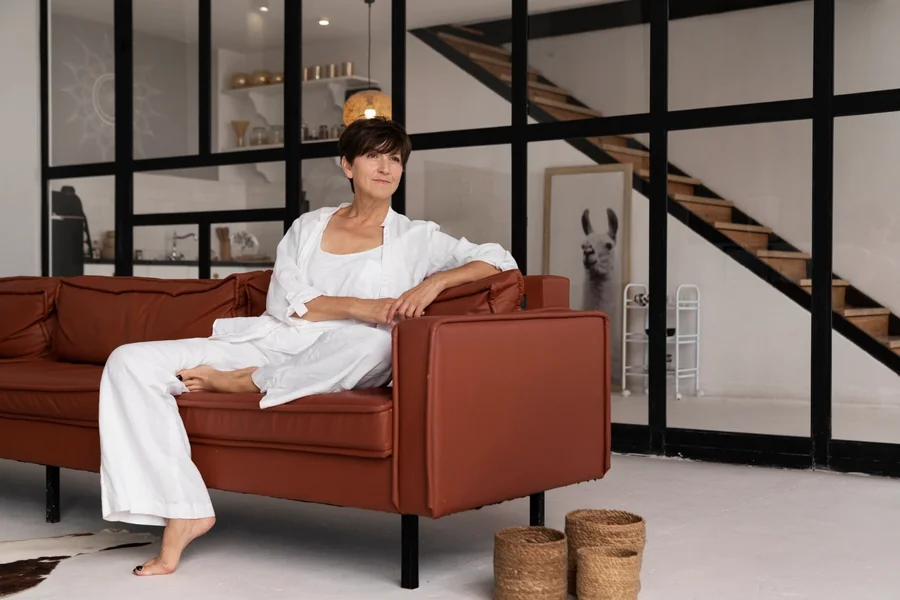
Singapore’s residential spaces reflect the city’s layered identity. In response to this evolving aesthetic, premium furniture singapore has become increasingly sought after by homeowners who value refined materials and enduring design. Historic shophouses stand near glass towers, and public housing developments sit alongside private condominiums designed by renowned architects. This mix of tradition and modern construction is echoed inside the home. Over the past decade, interest in premium furniture has gained steady momentum, with homeowners placing greater weight on quality, craftsmanship, and design integrity.
Affluence has risen, travel has broadened tastes, and exposure to international design has shaped expectations. Many residents no longer purchase furniture solely for practical use. They seek pieces that convey discernment and long-term value. A dining table or sofa is viewed not merely as a household item but as a reflection of personal standards and daily living habits.
Design That Balances Beauty and Purpose
Premium furniture in Singapore often succeeds by uniting refined appearance with everyday practicality. Apartments in the city are frequently compact, and layouts demand thoughtful planning. As a result, furniture must serve its purpose efficiently without overwhelming the room. Clean silhouettes, measured proportions, and restrained colour palettes are common features.
Homeowners show strong interest in materials that age gracefully. Solid wood, natural stone, brushed metal, and full-grain leather remain popular choices. These materials develop character over time, reinforcing the idea that well-made furniture is an investment rather than a temporary purchase. Craftsmanship receives careful scrutiny. Joinery, stitching, and finishing are examined with attention, reflecting a growing appreciation for detail.
The desire for distinction has encouraged brands to introduce collections that combine artistic expression with technical precision. Many designs present subtle curves, balanced lines, and carefully selected textures. Instead of ornate decoration, refinement is often conveyed through proportion and material quality.
Cultural Influences Shaping Local Taste
Singapore’s multicultural society informs interior preferences. Chinese, Malay, Indian, and Western influences appear in varying degrees across residential projects. It is not unusual to see a Scandinavian sofa placed beside a Peranakan-inspired cabinet or a Japanese-style dining table paired with contemporary lighting. The outcome can feel cohesive when handled with restraint.
Scandinavian design, recognised for its simplicity and natural finishes, has secured a firm foothold. Its emphasis on light wood, neutral tones, and functional form aligns well with urban apartments that prioritise openness. At the same time, Asian influences remain visible through darker timbers, intricate carvings, or low-profile seating arrangements that reflect regional traditions.
This blending of influences has shaped a distinct aesthetic language. Rather than adhering strictly to one style, many homes combine references in a measured manner. The result is often calm, ordered, and comfortable without appearing rigid.
Established Brands and Bespoke Services
A number of established brands have strengthened Singapore’s premium furniture segment. Companies such as Danish Design Co have earned recognition for their Scandinavian collections and commitment to responsible sourcing. Their pieces frequently highlight oak, walnut, and quality upholstery, delivering understated elegance suited to city living.
Beyond internationally recognised names, several retailers provide custom-made solutions. Bespoke services have grown in popularity, especially among homeowners working with interior designers. Customisation may involve selecting upholstery, adjusting dimensions, or modifying finishes to suit spatial constraints. This flexibility appeals to those who prefer furniture tailored to specific layouts rather than standard catalogue items.
The presence of showrooms across the island allows customers to experience products firsthand. Many retailers curate their display spaces carefully, presenting furniture within realistic room settings. This approach helps buyers visualise how pieces might function in their own homes.
A Shift Towards Responsible Production
Environmental awareness has influenced purchasing behaviour. Buyers increasingly examine the origins of materials and the processes behind production. Sustainable forestry certification, low-emission finishes, and recyclable packaging are factors that shape decisions.
Some retailers offer trade-in schemes that encourage customers to return older items. Refurbishment or responsible disposal reduces waste and supports a more circular consumption pattern. These initiatives resonate with homeowners who prefer to align their purchases with ethical values.
Designers have responded by selecting materials that minimise environmental impact without compromising durability. Solid wood from managed forests, recycled metals, and natural fabrics feature prominently in new collections. Responsible sourcing has become part of brand identity rather than a secondary marketing claim.
Technology Within Contemporary Living Spaces
Singapore’s strong digital infrastructure has influenced residential expectations. Smart lighting, automated blinds, and integrated sound systems are common in newer developments. Furniture brands have recognised this shift and introduced pieces that accommodate technology discreetly.
Side tables with concealed charging ports, desks designed for cable management, and media consoles with built-in ventilation for electronic equipment illustrate this approach. The objective is to preserve visual order while accommodating modern devices. Clutter reduction has become a design priority, particularly in compact apartments.
Retail experiences have also evolved. Virtual showrooms, online consultations, and augmented reality applications allow customers to preview furniture within digital representations of their homes. This blend of physical and digital retail strengthens engagement and expands reach beyond traditional shopfronts.
Interior Trends Influencing Purchasing Decisions
Interior design trends continue to guide furniture choices. Open-plan layouts remain common, particularly in private condominiums. Such spaces benefit from modular seating and adaptable storage units that can define zones without constructing walls. Pieces that can be rearranged or repurposed attract buyers who value flexibility.
Interest in nature-inspired interiors has also grown. Wooden surfaces, stone accents, and muted earth tones create a calm atmosphere suited to urban living. Indoor plants frequently complement these materials, reinforcing a sense of connection to the outdoors.
Remote work has reshaped domestic priorities. The home office now demands ergonomic chairs, spacious desks, and integrated storage. Premium brands have responded with designs that balance professional function with residential aesthetics. Rather than appearing corporate, these workstations blend seamlessly into living areas.
Market Pressures and Expansion Prospects
The premium furniture sector faces practical constraints. Import duties, shipping costs, and storage expenses contribute to higher retail prices. Competition remains strong, with regional manufacturers offering alternatives at varied price points.
At the same time, opportunity lies in digital retail growth and regional expansion. Singapore serves as a gateway to Southeast Asia, and brands with a local presence may extend their reach to neighbouring markets. E-commerce platforms and cross-border logistics have simplified this process.
Consumers in Singapore display readiness to invest in quality when value is evident. Clear communication about materials, craftsmanship, and durability supports purchasing confidence. Retailers that maintain transparency and consistent service standards tend to build long-term trust.
Conclusion
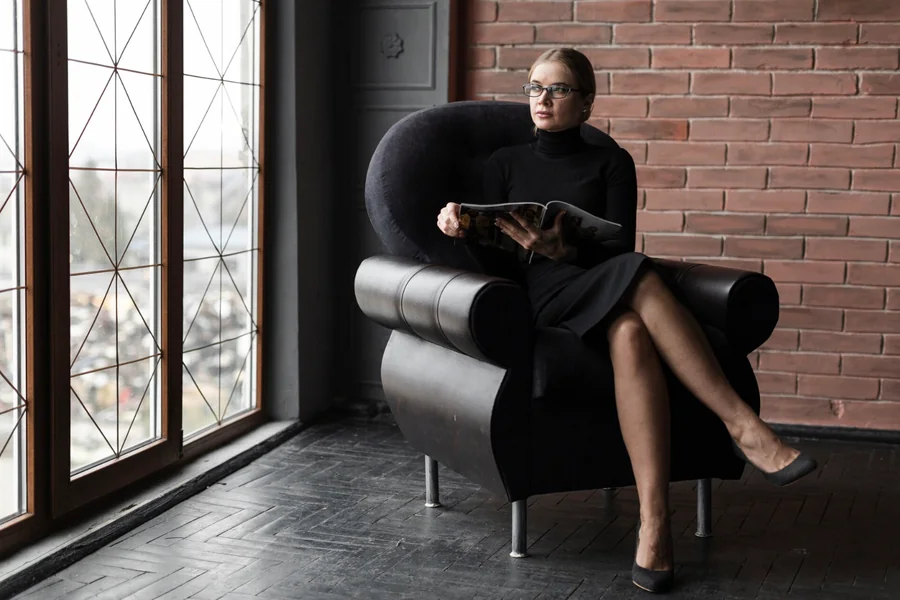
Premium furniture in Singapore reflects broader shifts in lifestyle and expectation. Homeowners seek more than surface appeal. They favour pieces that demonstrate careful construction, thoughtful design, and responsible sourcing. Cultural influences merge within interiors, producing spaces that feel personal yet refined. Technology is integrated with restraint, preserving order within compact layouts. Sustainability shapes production choices, reinforcing ethical awareness among buyers.
The sector continues to adapt to economic pressures and evolving retail models. Brands that combine craftsmanship, adaptability, and transparency are well placed to remain relevant. As residential design grows more sophisticated, demand for high-quality furniture is likely to persist. In Singapore, the home functions not only as shelter but as a carefully composed environment that reflects discernment and long-term commitment.