
Restoring Rugs After Fire or Water Damage
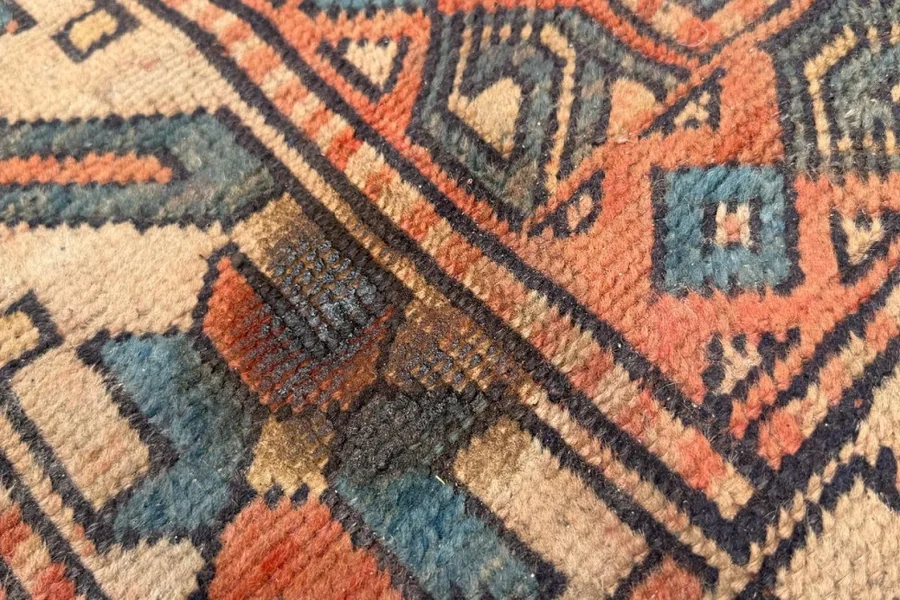
When a home suffers fire or water damage, the focus naturally falls first on structural repairs and the replacement of major fixtures and fittings. Rugs — particularly those that are not immediately identifiable as valuable — are often treated as casualties of the event rather than candidates for recovery. This assumption is frequently wrong. Professional insurance claim rug repair specialists have the expertise, equipment, and experience to assess and restore rugs that most homeowners would consider beyond saving — and in many cases, the restoration cost is covered in full or in part by the homeowner’s insurance policy.
Acting quickly after fire or water damage occurs is critical. The window during which effective restoration is possible narrows rapidly as damage progresses — mould develops within days of water exposure, smoke odour becomes increasingly embedded over time, and materials that might have been saved become unsalvageable if left untreated. Understanding what professional restoration involves, and why prompt action matters, can mean the difference between recovering a valued piece and losing it permanently.
Water Damage — The Race Against Time
Water damage to rugs presents a set of challenges that intensify rapidly with time. Within the first 24 to 48 hours, wet rugs are at risk of colour bleeding — particularly in pieces with natural or unstable dyes where the moisture mobilises pigment and carries it into surrounding areas. Mould and mildew begin to develop within 48 to 72 hours in the right conditions, creating health risks and odour that become progressively more difficult to address the longer they are allowed to establish.
Prompt extraction of moisture is the first priority. Professional restoration providers use high-capacity extraction equipment to remove the bulk of retained water before the drying process begins, significantly reducing the time the rug spends in the wet condition that makes it vulnerable to mould, colour damage, and fibre deterioration. Controlled drying in a specialist environment follows — maintaining precise conditions of temperature and airflow that encourage even, complete drying without the distortion and colour migration that uncontrolled drying causes.
Once dry, the rug can be thoroughly assessed for residual damage — including any staining, colour bleeding, or structural weakening that occurred during the water exposure — and appropriate restoration work can be planned and executed.
Fire and Smoke Damage — More Recoverable Than It Appears
Rugs affected by fire or smoke damage present differently from water-damaged pieces, but the restoration possibilities are often broader than homeowners assume. Unless a rug has been directly exposed to flames and physically destroyed, the damage caused by smoke, soot, and the water used to extinguish a fire is frequently addressable through professional restoration.
Smoke odour is one of the most persistent challenges associated with fire damage. The particulates that carry smoke odour embed themselves deeply within rug fibres, and surface cleaning alone is rarely sufficient to eliminate them. Professional restoration applies specialist deodorisation treatments — including ozone treatment and enzyme-based processes — that address odour at a molecular level rather than simply masking it. These treatments, combined with thorough professional washing, can eliminate smoke odour from pieces that homeowners had assumed were permanently affected.
Soot and smoke residue on rug surfaces can cause progressive damage if left untreated — the acidic nature of soot accelerates fibre degradation over time. Prompt professional cleaning that removes this residue stops the damage from continuing and provides a clean baseline for assessing what restoration work the piece requires.
Documentation for Insurance Claims
One of the most practically important aspects of professional rug restoration after fire or water damage is the documentation that specialist providers produce. Insurance claims for damaged rugs require evidence of the pre-damage condition and value of the piece, the nature and extent of the damage sustained, the restoration work performed, and the cost of that work. Professional restorers who work regularly with insurance claims understand what documentation is required and produce it systematically as part of their service.
This documentation includes detailed condition reports produced at intake — before any cleaning or restoration work begins — that establish the state of the piece at the time it was received. Photographic records of the damage, written assessments of the restoration work required, and itemised invoices for the work performed all contribute to a claim file that gives the insurance adjuster the information needed to process the claim efficiently and fairly.
Assessing What Can Be Saved
Not every rug affected by fire or water damage can be fully restored. The extent of the damage, the construction and fibre content of the piece, and the time elapsed before professional treatment was sought all affect what is achievable. An honest assessment from an experienced restorer — one who will tell the homeowner clearly what can and cannot be recovered, and at what cost — is the foundation of a sound decision about whether to pursue restoration or accept that replacement is the appropriate outcome.
For rugs of any significant value, this assessment is always worth seeking. The range of damage that professional restoration can address continues to expand as techniques and equipment advance, and pieces that would have been considered unsalvageable a decade ago are increasingly recoverable today. Homeowners who act promptly and engage experienced insurance claim rug repair specialists give their valued pieces the best possible chance of recovery — and give themselves the documentation and professional support needed to navigate the insurance process with confidence.