
Why Does a Garage Door Make Grinding Noises During Operation?
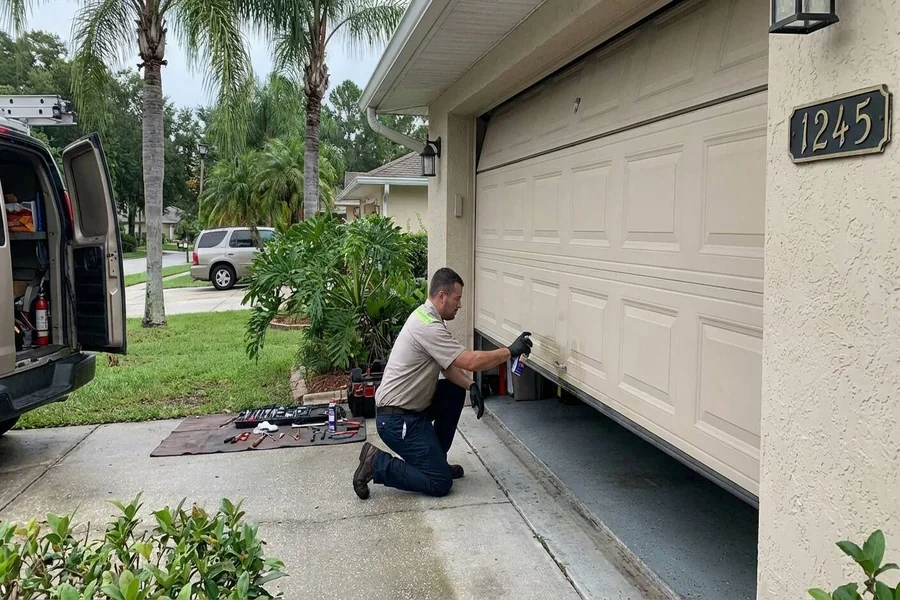
A garage door that suddenly starts grinding is rarely just getting louder with age. More often, it is signaling that one part of the system is dragging, wearing unevenly, or moving out of alignment under load. Ignoring that sound is how a minor mechanical issue becomes a service interruption or a larger repair.
For property managers, facility managers, and building owners, grinding noises matter because garage doors are not light-duty systems. They rely on coordinated movement between tracks, rollers, springs, hinges, cables, and the opener itself. When one component begins to resist normal travel, the noise is usually the first warning. The real task is not silencing the door temporarily. It is identifying what is creating friction and why the problem is getting worse during operation.
Looking At Where Noise Begins
- Grinding Usually Points To Friction
Grinding sounds are different from squeaks, pops, or rattles. They usually suggest that metal is dragging against metal, worn components are no longer moving smoothly, or a part is being forced through a path it is no longer tracking correctly. That matters because the sound often reveals resistance inside the operating cycle, not just general noise from an aging system.
A garage door opens and closes under controlled tension. When that movement becomes rough, the system starts working harder than it should. The opener may strain, the rollers may bind, or the track may carry uneven load. Grinding is often the sound of that resistance becoming audible. It may occur at one point in the cycle, or it may continue from start to finish, depending on where the wear or obstruction is located.
- When Movement Stops Being Smooth
A reliable diagnosis starts by identifying where in the cycle the grinding occurs. If the sound appears near the bottom of travel, the issue may involve track obstruction, worn bottom rollers, or a door section that is no longer moving evenly from the floor. If it happens midway, the cause may be track misalignment, hinge wear, or a balance issue that shifts stress to one side of the system. When the sound appears near the opener, attention turns to the drive components or mounting hardware.
Service teams working in places such as Cedar Park, TX, often see the same pattern: the sound itself matters, but the point at which it begins matters even more. Grinding is not just a noise complaint. It is a location clue. Once technicians know when the door starts fighting its own motion, they can narrow the problem to the specific part of the system that is absorbing too much friction.
- Worn Rollers Create Drag Fast
One of the most common causes of grinding noise is worn or damaged rollers. Rollers are meant to guide the door smoothly along the tracks, but once they crack, flatten, seize, or wear unevenly, they no longer roll properly and begin to drag. That dragging can create a harsh grinding sound, especially on heavier doors or doors used multiple times a day.
This is particularly common in properties where routine maintenance has been delayed. Dirt, lack of lubrication, and age can accelerate roller wear until the door no longer glides as intended. In some cases, only one or two rollers are failing, which is why the sound may appear only at a certain point during operation. A technician will usually inspect for worn bearings, damaged roller stems, and uneven contact inside the track to confirm whether the rollers are the source of the grinding.
- Tracks Can Shift Out Of Line
Garage door tracks do not need to be visibly bent to cause noise. Even slight misalignment can force the rollers into a strained path, increasing friction as the door moves. When tracks are out of level, loose at the mounting points, or subtly spread or pinched, the rollers may bind rather than roll cleanly. That friction often produces a grinding sound that gets worse over time.
Track issues are especially important because they can affect the door’s overall movement. A door being pulled through misaligned tracks may look functional at first, but the strain spreads to the hinges, rollers, brackets, and the opener. Grinding in this case is not only about noise. It is evidence that the system is no longer moving in the path it was designed to follow.
Noise Is Usually An Early Warning
A garage door makes grinding noises during operation because some part of the system is no longer moving cleanly under load. Worn rollers, misaligned tracks, aging hinges, opener wear, poor balance, and debris buildup can all create friction that turns smooth travel into harsh mechanical noise. The sound is not just irritating. It is usually the first clear warning that the system needs attention.
For managers and owners, that warning should be taken seriously. Garage doors are heavy, high-cycle systems, and rough operation rarely improves on its own. A timely inspection can catch the source before friction leads to damaged hardware, opener failure, or a door that comes entirely out of alignment. When the cause is identified early, the repair is more targeted, downtime is lower, and the system returns to safe, controlled movement.