
Complete Guide to Window and Siding Replacement
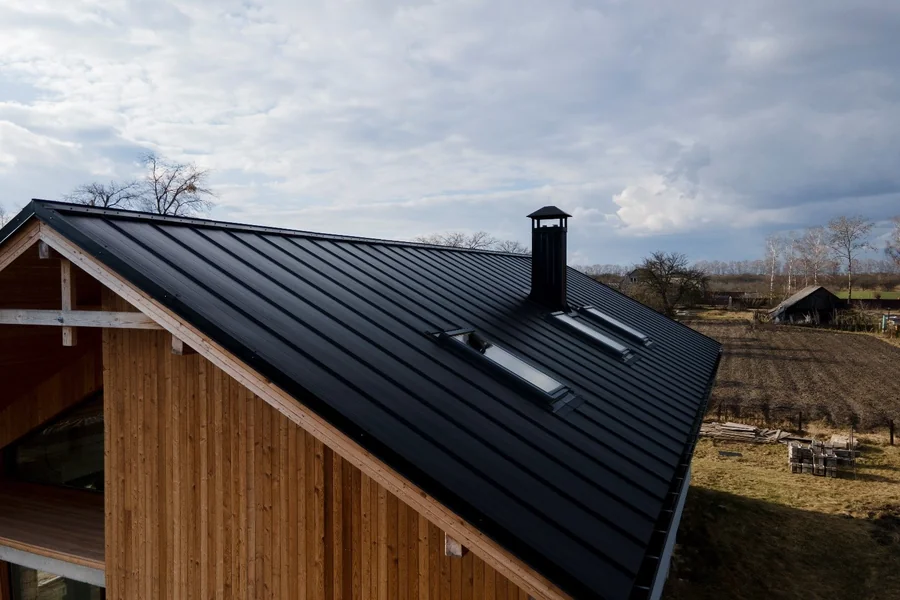
Replacing windows and siding at the same time is one of the smartest exterior upgrades a homeowner can make; it improves energy efficiency, curb appeal, and structural protection in a single project. The key decisions are: choosing the right materials, understanding the installation sequence, and hiring a contractor with verifiable credentials. Getting these three things right determines whether the investment pays off long-term.
Homeowners can face demanding exterior conditions, from freeze-thaw cycles that warp siding panels to winter drafts that drive up heating costs. Choosing materials rated for those conditions is not optional; it directly affects how long the installation lasts. Waddle Exteriors brings regional expertise to both window and siding projects, helping homeowners select and install products built for local climate demands.
With material selection and contractor quality established, the next step is understanding exactly how a professional replacement project unfolds.
When Should You Replace Windows and Siding Together?
Replacing both at the same time makes sense when siding is being removed anyway; it eliminates duplicate labor costs and allows proper flashing and air sealing around the new window frames. Doing windows alone while leaving aged siding means revisiting the same wall later. The U.S. Department of Energy notes that heat gain and loss through windows accounts for 25–30% of residential heating and cooling energy use.
Choosing the Right Window Type
Vinyl and fiberglass frames outperform aluminum in thermal resistance, making them the better choice for cold-climate homes. Double or triple-pane glass with low-e coatings reduces heat transfer significantly. Always look for the ENERGY STAR label and NFRC ratings when comparing products.
What Are the Best Siding Materials?
Fiber cement, engineered wood, and insulated vinyl are the most durable options for most U.S. climates. Fiber cement resists moisture, pests, and fire, while insulated vinyl adds an extra layer of thermal protection behind the panel. The right choice depends on your region, budget, and maintenance preference.
The Installation Process
Windows are replaced first, followed by siding. This order allows contractors to integrate flashing and moisture barriers correctly around each opening. Improper sequencing leads to water infiltration behind the wall, which is one of the most expensive problems to fix after the fact. Every seam, corner, and window edge should be fully sealed before the exterior is considered complete.
Financing and Consumer Protections
HUD offers rehabilitation and property improvement loan programs that can help cover exterior renovation costs. Always get a written contract that includes materials, scope, timeline, and warranty terms before work begins. Never make a final payment until the completed work has been inspected and approved.
Key Takeaways
- Replacing windows and siding together reduces labor costs and improves installation quality.
- Windows account for 25–30% of home heating and cooling energy loss; material choice matters.
- Fiber cement and insulated vinyl are among the most durable siding options available.
- Windows must be installed before siding to ensure proper flashing and moisture sealing.
- HUD loan programs can help finance exterior renovation projects.
- Always require a written contract with full scope, materials, and warranty documentation.