
The Essential Guide to Medical Alert Systems: Ensuring Safety and Independence for Seniors
Key Takeaways
- Medical alert systems enable 24/7 monitored emergency response for seniors, at home and on the go.
- There are both in-home and mobile systems, ensuring options for every lifestyle.
- Features such as fall detection and GPS are increasingly common and improve system effectiveness.
- Understanding pricing and subscription models allows for better financial planning.
- Installation and regular system checks ensure continuous reliability in emergencies.
Ensuring the safety and independence of aging loved ones is a major concern for families and caregivers. In recent years, senior monitoring devices have emerged as crucial tools for providing peace of mind and immediate assistance in emergencies. With more seniors living independently, understanding how medical alert systems can support health and safety at home and on the go is critical.
Medical alert systems are designed to connect users to help within moments, allowing them to maintain independence while still having access to emergency assistance at any time. As technology evolves, these systems offer a broader array of features and user-friendly designs, making them suitable for a variety of lifestyles. Whether a senior primarily stays at home or leads an active lifestyle, there is a medical alert solution that fits their needs.
The rapid growth in demand for these systems has resulted in numerous providers and a wide range of options, many of which can be tailored to specific medical needs or personal preferences. Choosing the right medical alert system is about matching individual needs with system capabilities to ensure safety and comfort for both the user and their loved ones.
When exploring options, it’s important to consider a provider’s reliability and the quality of its monitoring services. For a deeper dive into features and customer experiences, resources like CBS News’ coverage on medical alerts can offer additional insight.
Understanding Medical Alert Systems
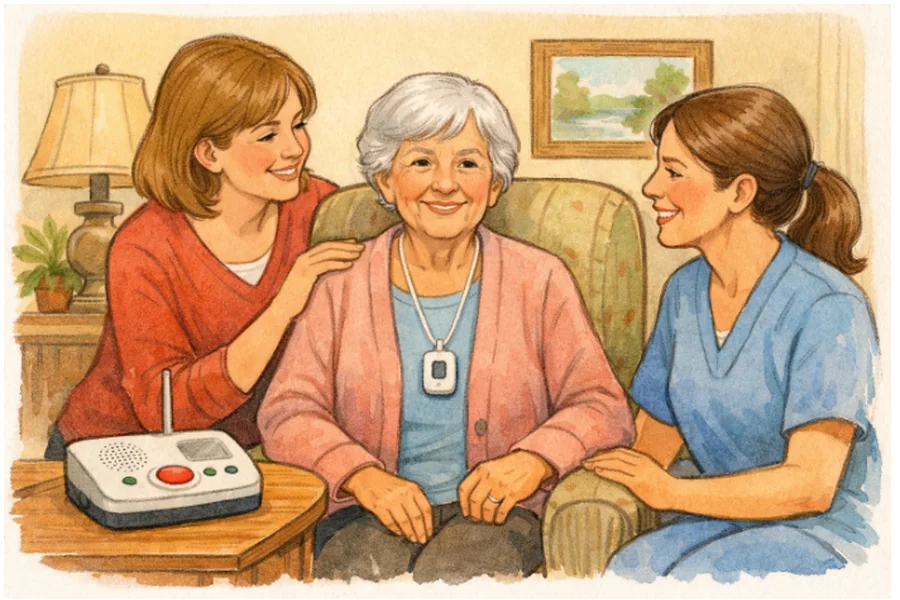
A medical alert system typically comprises a base station or console and a wearable transmitter (such as a pendant or wristband). In an emergency, pressing the button immediately signals a professional monitoring center, which then arranges help. There are also advanced models with automatic detection that do not require the user to press a button. Systems are most commonly used for fall detection, sudden health incidents, or ensuring support during a medical emergency.
Types of Medical Alert Systems
- In-Home Systems: Designed for use within a senior’s home, these models typically include a stationary console and a portable help button that works within a limited range via landline or cellular connection. They are popular among users who spend most of their time at home.
- Mobile Systems: Mobile systems utilize GPS and cellular technology, allowing seniors to summon help from virtually anywhere with cell coverage. These devices are ideal for users who travel, remain active, or enjoy outdoor activities.
Key Features to Consider
Modern medical alert systems offer an array of features that go beyond simple emergency signaling. Some of the most beneficial include:
- Fall Detection: Detects sudden movements typical of a fall and sends an automatic alert if the wearer cannot call for help.
- GPS Tracking: Ensures caregivers and emergency responders can locate the user promptly, which is especially valuable for seniors who may become disoriented or lost outdoors.
- Two-Way Communication: Built-in microphones and speakers in pendants or base stations enable real-time dialogue with professional responders, improving assistance.
- Battery Life: Extended battery life ensures continuous monitoring even during power outages or travel, minimizing the risk of device failure.
Cost and Subscription Models
The cost of a medical alert system generally includes a one-time equipment charge and a monthly subscription fee for professional monitoring. Additional features, such as fall detection or GPS, typically incur extra charges. On average, monthly monitoring fees range from $20 to $60, depending on the services chosen. It’s important to budget for equipment replacement, device upgrades, and optional add-ons if needed. For a comprehensive look at current device pricing and subscription models, Peace of Mind Senior Solutions offers detailed reviews and up-to-date pricing information.
Installation and Maintenance
Installation for most systems is straightforward and can often be done by the user or a family member. Customer support is typically available for troubleshooting and advice. Routine maintenance, such as checking the battery and testing the connection, is essential to keep the system operational. Many providers recommend testing the system at least once a month, per manufacturer guidelines, and replacing batteries as needed to ensure peak performance.
Choosing the Right System
- Assess Lifestyle: Consider whether the senior spends more time indoors or is regularly active outdoors. Homebound users may benefit from a landline connection, while mobile users need GPS-enabled models.
- Identify Specific Needs: Features like fall detection benefit those at higher risk of falls. Review the senior’s health conditions and physical environment when choosing necessary features.
- Evaluate Budget: Compare upfront and recurring costs to ensure they fit comfortably within the household budget. Look for discounts for veterans or bundled savings.
- Read Reviews: User testimonials and independent reviews can offer practical insights into reliability and customer service. Trusted sites like Forbes Health routinely update their recommendations based on customer feedback and expert analysis.
Conclusion
Medical alert systems play an integral role in helping seniors maintain independence while providing immediate access to emergency assistance. By understanding the system types, evaluating important features, and considering costs, families can choose the most effective solution for their loved ones. Empowering seniors with these devices reassures families and helps users confidently maintain an active, independent lifestyle.