
Staying Cool in a Crisis: The Importance of 24/7 AC Repairs
Understanding When to Call for 24/7 Emergency AC Repairs
When the scorching Scottsdale sun beats down, a functioning air conditioning system isn’t just about comfort; it’s a matter of safety. An unexpected HVAC breakdown can quickly escalate into a critical situation, especially during peak summer months. Understanding the difference between a minor issue that can wait and an emergency that demands immediate attention is crucial for protecting your home and its occupants. Prolonged exposure to high indoor temperatures can lead to serious health risks, including heat exhaustion and heatstroke, particularly for vulnerable populations. Beyond health concerns, certain HVAC malfunctions can pose immediate dangers, such as electrical hazards from faulty wiring or the potential for refrigerant leaks, which require professional handling.
Recognizing the urgent signs of distress from your cooling system can prevent further damage, mitigate health risks, and ensure a swift return to comfort. While routine maintenance can often identify and address issues before they become emergencies, some problems arise suddenly and without warning, necessitating a rapid response from qualified technicians.
Critical Signs That Demand 24/7 Emergency AC Repairs
Identifying an AC emergency isn’t always straightforward, but several critical signs should prompt you to call for 24/7 repair services without delay. These indicators often point to severe underlying problems that could compromise safety or lead to extensive system damage if left unaddressed.
One of the most alarming signs is the presence of burning smells emanating from your vents or the outdoor unit. This could indicate an electrical issue, such as an overheating motor, frayed wiring, or a short circuit. Electrical problems not only pose a fire risk but can also cause irreparable damage to your HVAC system. Similarly, any unusual electrical buzzing sounds from your unit, especially when accompanied by flickering lights or tripped circuit breakers, signal an urgent electrical malfunction that requires immediate professional intervention.
A complete and sudden shutdown of your air conditioning system during extreme heat is another undeniable emergency. If your unit completely ceases to function, leaving your home without any cooling, the indoor temperature can rise rapidly, creating an unsafe environment. This is particularly critical in Scottsdale, where daytime temperatures regularly exceed triple digits for extended periods.
Furthermore, if you notice a rapid temperature rise inside your home despite the AC running, or if the unit is blowing warm air, it could indicate a severe problem like a refrigerant leak, a failing compressor, or a blocked condenser coil. While some of these might seem less urgent than a burning smell, they significantly impair the system’s ability to cool, making your home increasingly uncomfortable and potentially dangerous. In such scenarios, waiting for standard business hours could expose residents to undue heat stress and potentially worsen the system’s condition.
Health and Safety Risks of Prolonged System Outages
A prolonged air conditioning outage in Scottsdale, especially during the summer of September 2026, presents significant health and safety risks. The desert climate means indoor temperatures can quickly climb to dangerous levels, far exceeding comfortable living conditions.
Vulnerable populations, including infants, young children, the elderly, and individuals with pre-existing medical conditions (such as respiratory illnesses, heart disease, or diabetes), are particularly susceptible to the adverse effects of extreme heat. For these groups, even a few hours without adequate cooling can lead to severe heat-related illnesses like heat cramps, heat exhaustion, and potentially life-threatening heatstroke. Symptoms can range from dizziness and nausea to confusion and loss of consciousness, underscoring the critical need for immediate cooling.
Beyond direct heat exposure, a malfunctioning HVAC system can also impact indoor air quality. If the system is struggling or has completely shut down, it can lead to increased humidity levels, fostering the growth of mold and mildew, which can exacerbate allergies and respiratory issues. Furthermore, in extreme weather conditions, a non-functional AC system can prevent proper ventilation, trapping pollutants indoors. Ensuring a rapid response to an AC emergency is not just about restoring comfort; it’s about safeguarding the health and well-being of everyone in the home, providing a safe refuge from the relentless Arizona heat.
The Mechanical Anatomy of a Sudden HVAC Breakdown
Understanding the inner workings of your HVAC system can shed light on why certain breakdowns become urgent emergencies. Modern heat pumps and air conditioners are complex machines, and a failure in one critical component can quickly cascade, leading to a complete system shutdown or significant performance issues. Recognizing the mechanical anatomy of these systems helps homeowners appreciate the specialized expertise required for effective emergency repairs.
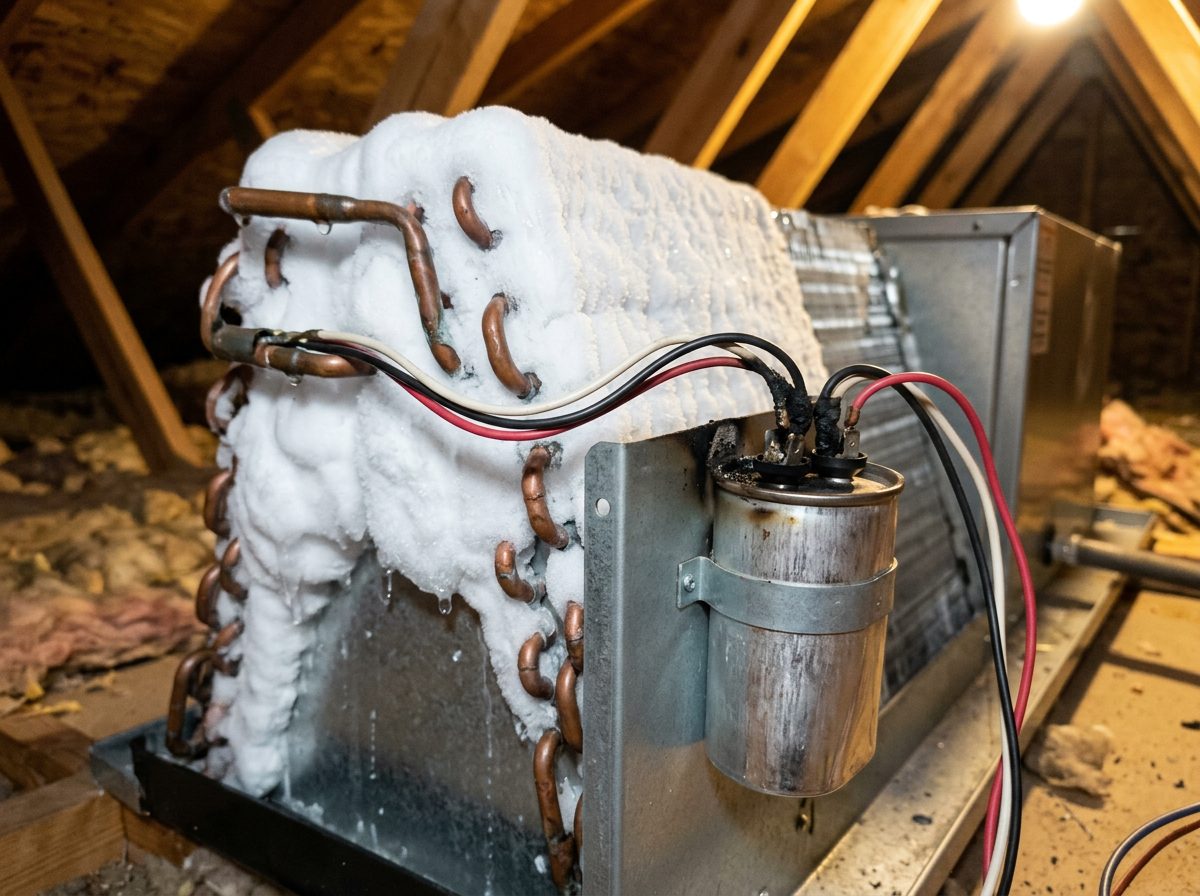
Among the most common culprits for sudden AC failures are issues with the compressor. This component is the heart of your cooling system, responsible for circulating refrigerant and compressing it to initiate the cooling cycle. A compressor failure can manifest as a complete lack of cooling, loud grinding noises, or the unit struggling to start. Another frequent point of failure is the capacitor, a small but vital electrical component that provides the initial jolt of electricity needed to start the compressor and fan motors. When a capacitor blows, the unit may hum but fail to start, or the fan might not spin.
Frozen coils, often a symptom rather than a primary cause, can also lead to a complete system shutdown. This occurs when the evaporator coil, responsible for absorbing heat from your indoor air, becomes covered in ice. This can be caused by low refrigerant levels, a dirty air filter restricting airflow, or a malfunctioning blower motor. A frozen coil severely impedes the system’s ability to cool, eventually leading to a complete loss of cooling capacity. Lastly, a fan motor failure, whether in the indoor blower unit or the outdoor condenser unit, can prevent proper airflow, leading to overheating, reduced efficiency, and eventually, a system shutdown.
Heat Pump and AC Vulnerabilities in Extreme Climates
Scottsdale’s extreme climate places immense strain on HVAC systems, making them particularly vulnerable to breakdowns. During the summer, heat pumps and air conditioners work tirelessly, often running for extended periods in cooling cycles to combat the triple-digit temperatures. This continuous operation, especially when ambient temperatures are consistently high, pushes components to their limits.
The electrical load on these systems is substantial, and sustained high usage can lead to premature wear and tear on motors, capacitors, and compressors. The intense heat also affects the outdoor unit directly, making it harder for the condenser coil to dissipate heat effectively, which can reduce efficiency and increase the risk of overheating. Furthermore, dust and debris, common in the desert environment, can accumulate on coils and filters, further impeding performance and increasing system strain.
For homeowners relying on heat pumps for both heating and cooling, the system’s dual function means it’s under stress year-round. While Scottsdale winters are mild, the transition periods still require efficient operation. When your system is struggling under these demanding conditions, it’s crucial to have access to reliable services for any unexpected issues. For those seeking expert guidance on handling sudden HVAC issues, especially when considering more permanent solutions or just needing immediate assistance, understanding the nuances of emergency AC and heating repairs is paramount. You can find valuable resources and insights on how to hire a Scottsdale heat pump expert without breaking a sweat, ensuring your system receives the care it needs.
Refrigerant Standards and Modern System Compatibility
The landscape of HVAC technology is continuously evolving, particularly concerning refrigerants. As of September 2026, the industry is well into the transition away from R-410A, which is facing a phase-out due to its high global warming potential. This shift impacts not only new heat pump installations but also the servicing and compatibility of existing systems.
Modern heat pumps are increasingly designed to operate with next-generation coolants, such as R-32 or R-454B, which offer significantly lower environmental impact. This transition means that if your older system using R-410A experiences a major refrigerant leak, finding replacement refrigerant can become more challenging and costly over time. It also highlights the importance of professional installation for any new heat pump system, ensuring it is charged correctly with the appropriate refrigerant and sealed to prevent leaks.
The compatibility of these new refrigerants with older components is limited, meaning that simply “topping off” an R-410A system with a newer refrigerant is not an option. This factor often plays a role in the decision-making process when an older system experiences a major breakdown: repairing an R-410A system might be less viable than replacing it with a new, more efficient model that uses an environmentally friendly refrigerant. These newer systems also often boast higher efficiency ratings and are designed with improved operating pressure characteristics to optimize performance with the new coolants, offering long-term energy savings and environmental benefits to Scottsdale homeowners.
Steps to Take While Waiting for Emergency Response
When your AC system breaks down in the intense Scottsdale heat, the wait for an emergency technician can feel agonizing. However, there are several proactive steps you can take to mitigate discomfort, ensure safety, and prepare your home for the technician’s arrival. These actions won’t fix the underlying problem, but they can make the situation more manageable and potentially speed up the repair process.
First and foremost, it’s crucial to ensure safety. If you suspect an electrical issue, such as burning smells or buzzing, immediately isolate the power to your HVAC system by switching off the corresponding circuit breaker in your electrical panel. This prevents further damage to the unit and eliminates potential fire hazards. If the issue is not electrical, turning off the thermostat will prevent the unit from attempting to run repeatedly, which could exacerbate the problem or cause more significant damage to struggling components.
While waiting, focus on reducing heat gain inside your home. Close all windows and doors to prevent hot air from entering. Draw curtains, blinds, or shades on all windows, especially those facing east or west, to block direct sunlight. If your home has ceiling fans, turn them on to create a wind-chill effect, making the air feel cooler on your skin, even if it doesn’t lower the ambient temperature. Cross ventilation can also offer some relief if outdoor temperatures are lower than indoors, but this is rarely the case during a Scottsdale summer emergency.
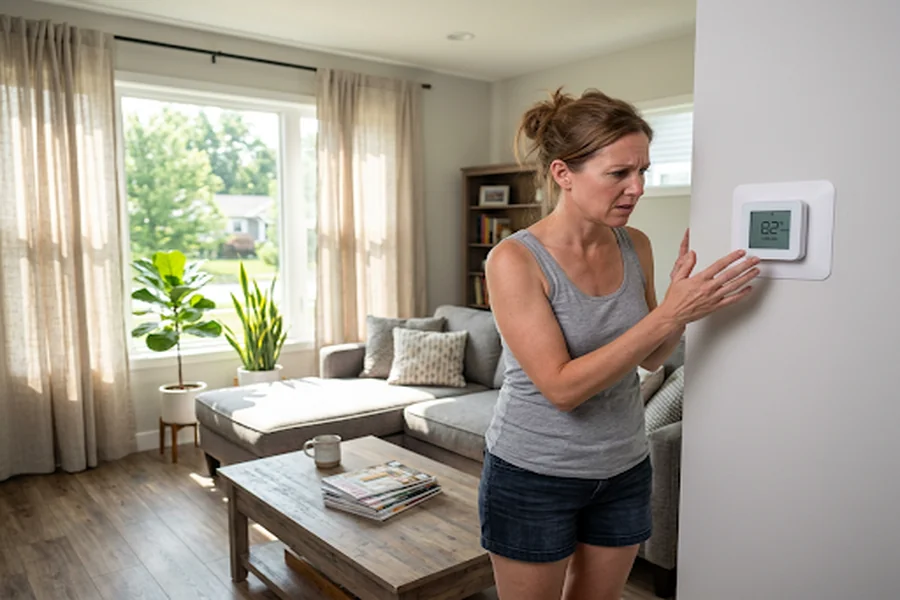
Here are some temporary cooling measures to consider:
- Hydrate Regularly: Drink plenty of water to stay hydrated and combat the effects of heat.
- Use Portable Fans: Position oscillating fans to create air movement in occupied rooms.
- Cool Showers/Baths: Take lukewarm or cool showers to lower your body temperature.
- Limit Heat-Generating Activities: Avoid using ovens, dryers, or other appliances that produce significant heat.
- Seek Cooler Areas: If possible, move to the lowest level of your home, which tends to be cooler, or consider visiting a public cooling center or a friend’s house.
- Apply Cold Compresses: Place cool, damp cloths on your pulse points (wrists, neck, groin) for quick relief.
Securing Your Home During 24/7 Emergency AC Repairs
Once you’ve contacted an emergency AC repair service, preparing your home for the technician’s arrival can help ensure a smooth and efficient repair process. This involves creating a safe and accessible environment for the professionals.
Ensure that the technician has clear and unobstructed access to your outdoor HVAC unit, indoor air handler or furnace, and thermostat. Trim any overgrown bushes or remove clutter around the outdoor condenser. Inside, move furniture or personal items that might block access to the indoor unit, often located in a closet, attic, or garage. A clear workspace allows technicians to diagnose and repair the issue more quickly and safely.
If you have pets, it’s advisable to secure them in a separate room or crate before the technician arrives. This prevents them from interfering with the repair work, potentially escaping through an open door, or getting stressed by unfamiliar visitors. Inform the technician if you have pets, even if they are secured, so they are aware.
Finally, consider the airflow management within your home. While the system is down, avoid opening windows unnecessarily, as this lets in more hot air. Once the technician begins work, they may need to test different components, so ensure that vents are not blocked by furniture or drapes. By taking these simple steps, you contribute to a more efficient and hassle-free emergency repair experience, helping to restore your home’s comfort as quickly as possible.
Frequently Asked Questions About Emergency Cooling Services
When faced with a sudden AC breakdown, many questions arise about the nature of emergency services, response times, and the best course of action for your system. Understanding these common queries can help homeowners make informed decisions during a stressful situation.
What classifies an HVAC issue as an immediate emergency?
An HVAC issue is generally classified as an immediate emergency when it poses a significant risk to health, safety, or property, especially in the context of Scottsdale’s climate. The most critical factor is often the external temperature; during triple-digit heat waves, a complete AC failure becomes an emergency due as it can quickly lead to unsafe indoor conditions.
Specific scenarios that warrant an emergency call include:
- Complete System Failure: Your AC unit stops working entirely during extreme heat.
- Medical Vulnerability: If anyone in your home is elderly, very young, or has a medical condition that makes them highly susceptible to heat-related illnesses.
- Electrical Hazards: Any signs of electrical malfunction, such as sparks, burning smells, or tripped breakers associated with the AC, indicate a fire risk.
- Refrigerant Leaks: While not always immediately obvious, a significant refrigerant leak can be a health hazard and severely damages the system.
- Carbon Monoxide Leaks: Although less common with AC units, any suspicion of a CO leak (from a furnace that shares ductwork, for example) is an absolute emergency.
If the lack of cooling creates an unsafe living environment or if the malfunction itself presents an immediate danger, it’s an emergency.
How quickly do emergency repair technicians typically respond?
The response time for emergency repair technicians can vary, but reputable Scottsdale HVAC companies prioritize urgent calls, especially during peak season. Most emergency services operate with dedicated dispatch protocols to ensure rapid deployment.
When you call for emergency service, the company will typically assess the urgency of your situation over the phone. They often have technicians on-call 24/7, including weekends and holidays, to address these critical needs. While travel times to your specific Scottsdale location will be a factor, many local companies strive for same-day or within-a-few-hours response for true emergencies.
Upon arrival, technicians are equipped with diagnostic tools to quickly identify the problem. They carry a range of common parts to facilitate on-the-spot repairs whenever possible. However, if a specialized part is needed, the repair might require a subsequent visit. Always inquire about estimated response times when you call, and ensure the company clearly communicates their availability and expected arrival window.
Is it better to repair an emergency breakdown or replace the system?
The decision to repair an emergency breakdown or replace the entire system is a significant one, influenced by several factors. While an emergency repair aims to restore immediate functionality, it’s crucial to consider the long-term implications, especially for homeowners in Scottsdale looking for the best heat pump installation.
Key factors to weigh include:
- Equipment Age: Heat pumps and AC units typically last 15-20 years. If your system is older than 10-12 years, and the repair is costly, investing in a new, more efficient heat pump might be more economical in the long run. Heat pumps older than 12-15 years may struggle to maintain efficiency and are more prone to breakdowns.
- Repair Costs vs. Replacement Costs: If the cost of the emergency repair approaches a significant percentage (e.g., 50%) of a new system’s cost, replacement often makes more financial sense.
- Energy Efficiency: Modern heat pumps are significantly more energy-efficient than older models. A new installation can lead to substantial energy savings. Many homeowners see 20-40% reductions in heating and cooling costs with a new heat pump, and modern heat pumps can lower electricity usage by approximately 65% compared to older furnaces and baseboard heaters. Residents in Arizona could reduce greenhouse gas emissions by more than 50% by switching to heat pumps.
- System Longevity and Reliability: A new system comes with a fresh warranty and the peace of mind that comes with new, reliable equipment, reducing the likelihood of future emergency breakdowns.
- Refrigerant Type: As discussed, if your old system uses R-410A, a major repair might be less viable given the ongoing phase-out and increasing cost/scarcity of the refrigerant.
A reputable technician will provide an honest assessment of your system’s condition and help you weigh the pros and cons of repair versus replacement, considering your budget, energy goals, and the overall health of your unit.
Conclusion
Navigating an AC crisis in Scottsdale, AZ, demands prompt action and access to reliable emergency services. As we’ve explored, recognizing the critical signs of a breakdown, understanding the mechanical vulnerabilities of your HVAC system in extreme climates, and knowing the immediate steps to take can make a significant difference in safeguarding your home and family. The importance of 24/7 AC repairs cannot be overstated in a region where cooling is not just a comfort, but a necessity.
While this guide focuses on immediate emergency responses, it also underscores the long-term value of a well-maintained and efficiently installed heat pump system. Regular preventive maintenance is the best defense against unexpected breakdowns, ensuring your system operates reliably and efficiently year-round. A well-maintained heat pump can save 10-25% on energy costs compared to a neglected one, extending its lifespan and delaying the need for costly emergency repairs or premature replacement.
When emergencies do strike, knowing you have access to rapid response and expert technicians provides invaluable peace of mind. Whether it’s a critical repair or the consideration of a new, high-efficiency heat pump installation, partnering with experienced professionals ensures your home remains a haven of comfort, even in the face of Scottsdale’s most intense heat. Staying cool in a crisis is about preparedness, swift action, and the assurance of reliable support, keeping your home comfortable and safe for years to come.