
What You Should Know Before Considering a Tummy Tuck
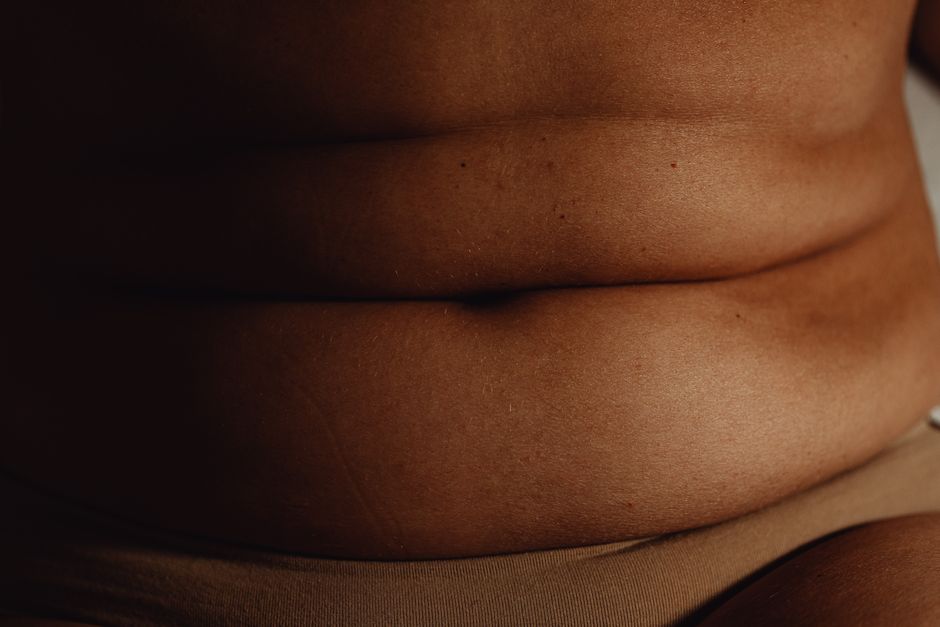
Thinking about body contouring can feel equal parts exciting and overwhelming. A tummy tuck often comes up when loose skin, stretched abdominal muscles, or stubborn changes after weight loss and pregnancy don’t respond to workouts. If you’re looking at options in Miami, it helps to know that the city is a major hub for cosmetic surgery, with a high concentration of board-certified specialists and patients traveling in for treatment year-round.
What a tummy tuck actually does
A tummy tuck, also called abdominoplasty, is designed to reshape your midsection by removing excess skin and tightening the abdominal area. It’s not a weight-loss procedure, and it won’t magically replace healthy habits. What it can do is address physical changes that diet and exercise often can’t fix, especially after pregnancy or major weight loss.
You might be dealing with loose skin that folds over waistbands, weakened abdominal muscles, or a lower belly that seems immune to every plank challenge ever invented. In cases like that, surgery may be part of the conversation.
If you’re researching a Tummy Tuck in Miami, pay attention to what the procedure is meant to correct: contour, skin laxity, and muscle separation. Knowing that distinction keeps expectations grounded and saves you from chasing results the procedure was never built to deliver.
Who tends to be a good candidate
You’re usually a stronger candidate if your weight is relatively stable, you’re in good general health, and you have realistic expectations about both the outcome and recovery. Surgeons often look for non-smokers or patients willing to stop smoking well before surgery because nicotine can interfere with healing. That part is less glamorous than before-and-after photos, but much more important.
Good candidates often include people who:
– Have loose or hanging abdominal skin
– Notice muscle separation after pregnancy
– Lost a significant amount of weight
– Feel discomfort or self-consciousness from excess tissue
– Can maintain long-term lifestyle habits
Timing matters too. If you’re planning future pregnancies or actively losing weight, many surgeons recommend waiting. Your body can change again, and repeating surgery isn’t exactly a fun bonus round.
The different types of tummy tucks
Not every tummy tuck is the same. The best option depends on how much excess skin you have, where it sits, and whether muscle repair is needed. A mini tummy tuck usually targets the lower abdomen below the belly button. A full tummy tuck addresses more skin and often includes muscle tightening across the midsection.
In more extensive cases, surgeons may discuss an extended tummy tuck, which can treat the abdomen and areas along the flanks. This becomes more common after major weight loss, when skin laxity goes beyond the front of the stomach.
During a consultation, the surgeon usually evaluates your skin quality, fat distribution, scar placement, and abdominal wall strength. That assessment shapes the surgical plan. It’s a bit like tailoring, except with much higher stakes and definitely sharper tools.
What recovery really looks like
Recovery is where expectations need a reality check. You won’t walk out feeling instantly normal, and social media timelines often skip the messy middle. Swelling, soreness, limited mobility, and fatigue are all common in the early phase. Many patients need help at home for the first few days, especially with standing fully upright and handling routine tasks.
A typical recovery plan may include:
– Wearing a compression garment
– Taking prescribed pain medication or antibiotics
– Walking lightly to support circulation
– Avoiding heavy lifting for several weeks
– Attending follow-up appointments to monitor healing
Returning to work depends on your job. Desk work may be possible sooner than physically demanding roles. Final results also take time. Swelling can linger for weeks or months, so patience matters more than people expect.
Risks, scars, and the questions you should ask
Like any major surgery, a tummy tuck comes with risks. These may include infection, bleeding, fluid buildup, poor wound healing, numbness, and complications related to anesthesia. Scarring is unavoidable, though surgeons aim to place scars low enough to sit beneath underwear or swimwear lines.
Before moving forward, ask direct questions. You’re not being difficult. You’re being smart.
Consider asking:
– Are you board-certified in plastic surgery?
– How often do you perform tummy tucks?
– What kind of results are realistic for my body?
– What complications do you watch for most often?
– What should I expect week by week during recovery?
It also helps to review unedited patient photos and discuss scar care. The best consultation should feel informative, not rushed or salesy. If it feels like a pitch meeting, that’s useful information too.
Cost and practical planning before surgery
The cost of a tummy tuck varies based on the surgeon’s experience, geographic market, facility fees, anesthesia, and how extensive the procedure is. Miami’s cosmetic surgery market is large and competitive, which gives you plenty of choices, but price-shopping alone can backfire fast. A suspiciously low quote deserves a raised eyebrow, not instant enthusiasm.
You’ll also want to factor in indirect costs, such as:
– Time off work
– Childcare or home support
– Post-surgical garments
– Prescription medications
– Travel and lodging if you’re not local
Some patients combine a tummy tuck with liposuction or other body procedures, which changes both the cost and recovery timeline. Careful planning makes a real difference. You need enough time, support, and flexibility to heal properly instead of trying to squeeze surgery between life obligations like it’s just another appointment.
How to make a thoughtful decision
A tummy tuck can be life-changing for some people, but it still works best when approached with clear goals and solid information. You’re not just choosing a procedure. You’re choosing a recovery experience, a surgeon, a budget, and a set of expectations you’ll live with for months after surgery.
Try to focus on substance over hype. Read surgeon credentials carefully, compare consultation styles, and pay attention to whether anyone is glossing over risks. Cosmetic surgery tends to attract polished marketing, and polished marketing can be very persuasive. Your job is to stay anchored in facts.
If your concerns are excess skin, muscle separation, or contour after major body changes, a tummy tuck may be worth exploring. The smartest next step is an informed conversation with a qualified professional who can assess your body, your goals, and your options with honesty.