
Walnut Slat Wall Panels for Warm and Modern Interior Spaces
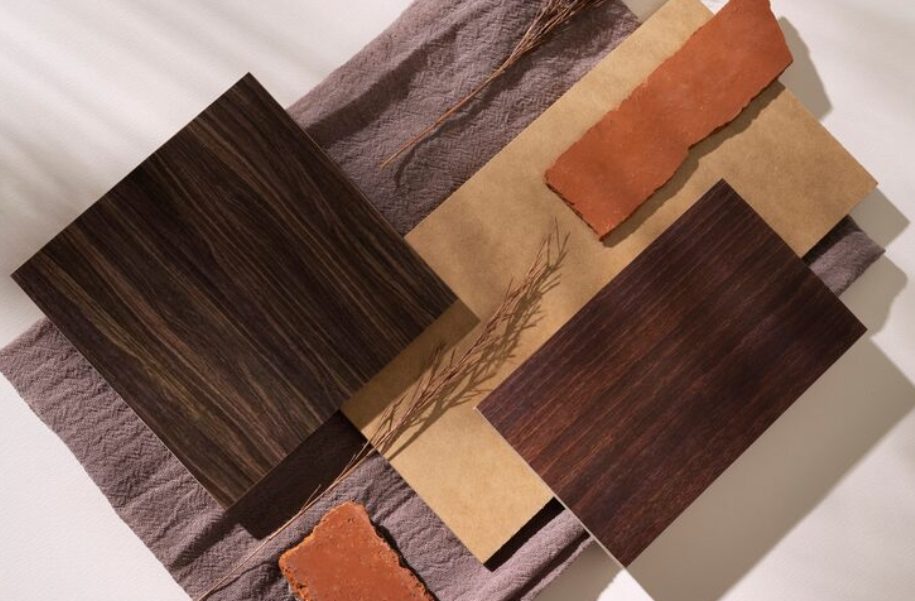
Interior design is not only about choosing furniture and paint colors. Wall finishes also play an important role in shaping the look and feel of a room. Natural wood adds warmth, texture and character, making it a popular choice for both modern and traditional interiors. For homeowners and designers who want a richer finish, the WoodyWalls walnut collection offers a way to introduce the natural beauty of walnut wood through decorative slat wall panels.
Walnut is known for its deep brown tones and distinctive grain patterns. When used on interior walls, it can create a strong visual feature without making the rest of the room feel overly decorated. With the right furniture, lighting and layout, walnut panels can help create spaces that feel balanced, welcoming and thoughtfully designed.
The Appeal of Walnut Wood in Interior Design
Walnut has long been valued for its appearance and versatility. Its natural color ranges from medium brown to deeper mocha shades, often with subtle variations in grain. These details give the material character and help distinguish it from finishes that have a more uniform appearance.
One advantage of walnut is that it works with different interior styles. In contemporary homes, it can complement simple furniture, neutral walls and clean architectural lines. In more traditional spaces, walnut can sit comfortably alongside leather seating, warm fabrics and classic decorative details.
The darker color also creates contrast when paired with lighter materials. White walls, beige upholstery, pale flooring and natural stone can help balance the richness of walnut, preventing the room from appearing too dark. This makes walnut a practical option for people who want a noticeable wood feature without changing every part of their interior.
Adding Depth with Slat Wall Panels
Slat wall panels provide more visual interest than a flat wall finish. Their repeated vertical lines create texture and depth, helping a plain surface become a central feature of the room. The design can also draw attention to particular areas, such as a television wall, a headboard or a seating area.
Walnut slats are particularly effective when the aim is to create a warm, structured appearance. Their darker tone highlights the spaces between the slats, giving the wall a sense of dimension. This can work well in minimalist interiors, where a textured wall provides detail without requiring many additional decorations.
The panels can cover an entire wall or be installed across a smaller section. A full-height feature can create a strong backdrop, while a partial installation may be more suitable for smaller rooms or spaces with existing architectural details. Choosing the right coverage helps maintain a balanced design.
Creating a Feature Wall in the Living Room
The living room is one of the most suitable places for walnut slat panels because it often serves as the main gathering area of a home. A walnut feature wall behind a television or sofa can help define the space and connect different furniture pieces visually.
For a coordinated look, homeowners can pair the panels with neutral seating, simple coffee tables and understated accessories. Black metal details can complement the darker wood, while plants and soft furnishings can introduce contrasting colors and textures.
Lighting can make a noticeable difference to the finished result. Wall lights or carefully positioned lamps can highlight the grain and create subtle shadows between the slats. The goal is to bring out the natural texture without using lighting that feels too harsh or distracting.
Bringing Warmth to Bedrooms and Home Offices
Walnut panels can also work well in bedrooms, particularly when installed behind the bed. The wood creates a clear focal point and can make the room feel more settled and cohesive. Pairing it with soft bedding, warm lighting and simple bedside furniture helps maintain a comfortable atmosphere.
In a home office, walnut can provide a more polished background without relying on bright colors or elaborate decoration. A slatted wall behind a desk can make the workspace feel organized and visually distinct from the rest of the home. It may also provide an attractive backdrop for video calls.
For shared workspaces, meeting rooms and reception areas, walnut panels can create a professional appearance while adding warmth to otherwise plain interiors. The same material can be used across different areas to establish a consistent design throughout a property.
Considering Sound and Room Acoustics
Decorative wall panels can influence how sound behaves within a room. Hard surfaces such as glass, tile and bare walls may reflect sound, contributing to echoes in certain spaces. Slat panels installed with an appropriate acoustic backing can help absorb some sound energy and reduce unwanted reflections.
WoodyWalls’ solid walnut slat wall panels feature an acoustic felt backing and are designed to improve room acoustics as well as appearance. This can be useful in living rooms, bedrooms, home offices and other indoor spaces where reducing echo is desirable.
However, these panels should not be treated as complete soundproofing. Their main benefit is helping manage sound within a room rather than preventing all noise from travelling between rooms. The overall result depends on the installation, room layout, furnishings and other surfaces.
Planning Installation and Panel Placement
Good planning helps ensure that wall panels fit properly and look consistent once installed. Before purchasing materials, it is important to measure the intended wall and account for windows, doors, sockets and other obstacles. These details can affect panel placement and the amount of material required.
The condition of the existing wall also matters. A clean, stable and reasonably level surface can make installation easier and help create a neat finish. Depending on the product and wall construction, panels may be fixed with suitable construction adhesive, screws or a combination of both, following the manufacturer’s instructions.
Solid walnut panels are designed for interior applications, so they should not be assumed suitable for exposed outdoor areas or locations with persistent moisture. Choosing the correct product for the intended environment helps protect the material and maintain its appearance over time.
Maintaining the Natural Wood Finish
Although walnut is a durable hardwood, proper care is still important. Regular dusting with a soft cloth can help prevent particles from collecting along the slats and in the gaps between them. A suitable vacuum attachment may also help clean areas that are difficult to reach.
Spills and marks should be addressed using cleaning methods recommended by the manufacturer. Excessive moisture and harsh cleaning products should be avoided unless specifically approved for the finish. Maintaining a stable indoor environment can also help limit the effects of significant changes in humidity on natural wood.
It is worth remembering that genuine wood can vary in color and grain from one panel to another. These differences are a natural characteristic of the material and contribute to its individual appearance.
Designing a Space That Lasts
Walnut slat wall panels offer a way to combine natural texture with a modern interior finish. Their rich color, distinctive grain and structured lines make them suitable for living rooms, bedrooms, home offices and selected commercial interiors.
The best results come from considering the whole room rather than treating the wall as a separate feature. Balanced colors, suitable lighting, practical installation and regular care all contribute to a cohesive design.
By choosing walnut panels that suit the space and combining them with complementary materials, homeowners can create interiors that feel warm, organized and visually appealing. A well-planned walnut feature wall can add character to a room while remaining versatile enough to work with changing furniture and decorative styles.