
Parkinson’s Disease Stages: A Family Guide to Symptoms and Care at Home
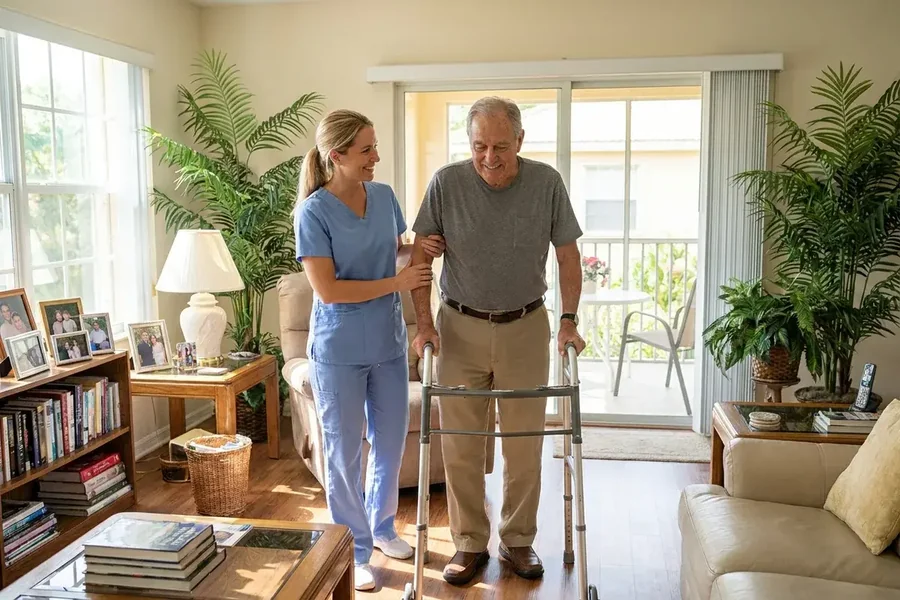
A diagnosis of Parkinson’s disease brings significant changes for both the individual and their family. Understanding how the condition progresses helps caregivers prepare for changing health needs, plan for future support, and maintain safety and comfort at home. Recognizing the progression of this neurological condition empowers families to make proactive decisions about health, personal care, and daily assistance.
What Is Parkinson’s Disease?
Parkinson’s disease is a progressive movement disorder that affects the nervous system and the parts of the body controlled by nerves. It develops gradually, often starting with a barely noticeable tremor in just one hand. As dopamine-producing neurons in the brain decline, physical movement becomes increasingly difficult to initiate and coordinate. Working with a dedicated home care provider like CareChoice can help families navigate these challenges effectively and maintain peace of mind.
Early Signs of Parkinson’s Families Often Notice First
In the initial phases, symptoms can be subtle and easily overlooked or attributed to normal aging. Identifying the early signs of Parkinson’s allows families to consult medical professionals promptly and establish a baseline care plan.
- Tremors or Slight Shaking: Minor involuntary shaking usually begins in a finger, hand, or chin while at rest.
- Changes in Handwriting: A noticeable reduction in handwriting size, known as micrographia, where words become small and crowded.
- Loss of Smell: Decreased ability to smell foods or common household odors.
- Stiffness and Slowness: Difficulty moving freely, stiffness in the limbs or trunk, and reduced arm swing while walking.
- Facial Masking and Voice Changes: A reduced range of facial expressions, a fixed stare, or a softer, lower voice.
The 5 Stages of Parkinson’s Disease
Medical professionals often classify progression using the Hoehn and Yahr rating scale. Understanding the Parkinson’s disease stages helps families anticipate shifting daily care requirements.
Stages 1–2: Mild Symptoms and Independence
During Stage 1, symptoms are mild and affect only one side of the body, causing minimal functional impairment. By Stage 2, symptoms affect both sides of the body, as well as posture and gait. While daily tasks take longer to complete, individuals generally maintain their independence and can manage basic routines with minimal supervision.
Stage 3: Balance Problems and Slower Movement
Stage 3 is considered mid-stage. Loss of balance and slow movement (bradykinesia) become more pronounced, significantly increasing the risk of falls. While individuals usually remain capable of personal care tasks like dressing and eating, daily routines take substantially longer and require extra safety precautions.
Stages 4–5: Daily Assistance and Full-Time Care
In Stage 4, symptoms are severe and fully developed. Standing or walking without a walker or assistance becomes difficult, and living alone is no longer safe. By Stage 5, advanced stiffness in the legs may make standing or walking impossible, confining the individual to a bed or wheelchair. At this point, round-the-clock support is required for all activities of daily living.
Caring for Someone With Parkinson’s at Home
Successfully caring for someone with Parkinson’s involves creating a supportive, hazard-free environment that promotes independence while prioritizing safety. Removing tripping hazards, installing grab bars, using non-slip flooring, and keeping a consistent medication schedule all help reduce fall risks and simplify daily routines.
How Home Care Supports People Living With Parkinson’s
Managing a progressive movement disorder requires long-term planning and adaptable assistance. Professional Parkinson’s home care provides essential relief for family caregivers while ensuring seniors receive tailored help with bathing, mobility, medication reminders, and household tasks, helping them stay comfortable and secure in familiar surroundings.