
Your Pet’s First Year at Home: A Simple Family Memory-Keeping Plan
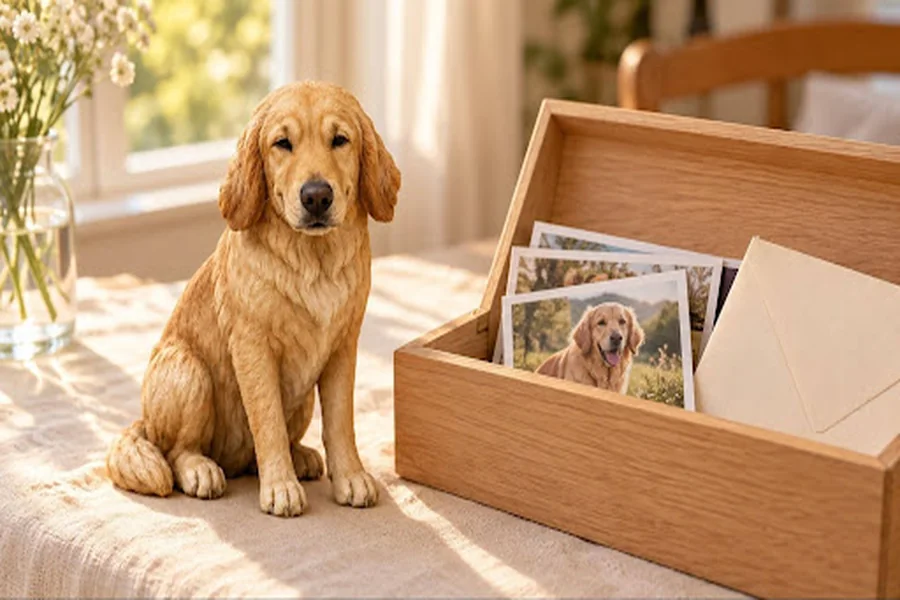
The first photograph may be nothing more than a dog looking uncertainly out of a carrier or a cat disappearing behind the sofa. A year later, the same pet knows every comfortable corner of the house. Somewhere between those two moments, a new arrival became part of the family routine.
It is easy to collect hundreds of pictures during that year and still struggle to tell its story. A simple pet memory-keeping plan helps you choose a few meaningful moments, save useful details, and turn one favorite image into something you can enjoy at home. A photo-based keepsake, such as one of DoDoWish’s custom pet figurines, can give a favorite moment a place on your shelf.
The aim is a manageable record of daily life. You do not need matching stationery, a professional photo shoot, or a new project every weekend.
Start with the Arrival Story
Write down what you remember about the day your pet came home. Include the date if you know it, the place you first met, and one small detail that might otherwise disappear. Perhaps the dog slept through the drive or the cat immediately claimed an empty cardboard box.
If different family members remember different things, keep those versions together. One person may recall the practical preparations while another remembers a tiny expression. Both belong in the story.
A pet’s first year with you is not necessarily its first year of life. An adopted adult dog or cat has a homecoming story too. Use the dates and facts you actually know rather than filling gaps with guesses about its earlier life.
Choose a Small Set of Moments
You can organize the year around four or five scenes instead of twelve formal monthly portraits. Think about the first settled nap, a favorite place in the house, a familiar walk, and a moment that shows how comfortable your pet has become.
Use ordinary routines to guide the selection. A picture taken beside the same chair every few months can show change without requiring anyone to pose. If a planned photograph does not happen, move on. The record should fit around life with the pet.
Avoid creating a milestone just to complete a page. Some months will produce several favorite images, while others will be remembered through one short note. A balanced album can include both.
Make the Photos Easier to Find
Create a dedicated folder or album and give it a simple name that includes your pet’s name and the year. Add the original photographs you want to keep rather than relying only on compressed copies from group chats.
At the end of a month, choose a handful of images and remove obvious duplicates from the selection. You can keep the full camera roll separately. The smaller collection is the one you will use for prints, gifts, or a future photo book.
Keep a second copy of important files in another location you control. Use the storage and privacy settings that suit your family. Before sharing photographs outside the household, check the background for addresses, school information, or other details you would rather keep private.
Save the Meaning Alongside the Image
A caption can explain why an ordinary photograph mattered. Record where you were, approximately when it happened, and the detail that makes the picture familiar to your family.
“The afternoon she finally slept beside the desk” tells a different story from “April.” A short line is enough. You are giving your future self a clue, not writing a polished diary entry.
Children can contribute drawings or dictate a sentence. Adults can help keep dates and names clear. If two people choose the same image for different reasons, keep both captions. Those differences are part of what makes a family album personal.
Pick One Photo for a Physical Keepsake
After several months, you may notice a pose or expression that appears again and again. That can be a useful starting point for a printed portrait or a custom pet figurine, especially if you want one object to represent the year.
DoDoWish’s custom pet figurines are made around photo references, with attention to features such as fur color, ear shape, face shape, and pose. DoDoWish is a premium custom gifting studio specializing in handcrafted pet keepsakes. Its process includes a digital preview that the customer reviews before physical crafting begins.
Choose a clear, well-lit reference photograph with the face visible. Your favorite action shot can remain in the album, while a sharper portrait helps communicate the details for the physical piece. Review the preview against those references and raise any questions before approval.
Give the Memories One Place at Home
A memory box can hold a small album, a few printed photographs, and written notes. A shelf can display a frame and a keepsake while the remaining materials stay in the box. Choose whichever arrangement fits your space and habits.
Keep paper items together in a clean, dry location. Follow the care guidance for any display piece, and place fragile objects on a stable surface away from pets and small children. Personal keepsakes should not get mixed into the pet’s everyday toy collection.
There is no need to display the entire year at once. One photograph and one object can represent it, with the fuller story waiting inside an album or box.
Build a Short Year-End Ritual
At the end of the year, look through the selected pictures together. Choose one image that shows arrival, one that shows a familiar routine, and one that sums up your pet’s personality today.
Add a short note about what you would like to remember: a favorite sleeping spot, a particular greeting, or a habit that always makes someone laugh. Then decide what to keep visible and what to store.
You can repeat the same small process next year without redesigning everything. Begin with the first photograph you already have, give it a sentence of context, and let the record grow from the everyday life you share.