
The Growing Power of Solar Energy: Why It Matters for Homes, Businesses, and the Future
Introduction
Solar energy has become one of the most influential forces reshaping how communities think about electricity, sustainability, and long-term economic stability. As utility rates continue to rise and environmental concerns grow, more homeowners and business owners are turning toward solar as a dependable and advantageous power source. What was once considered an alternative energy solution has now moved to the forefront, reshaping national energy goals, local building standards, and personal financial plans. Solar power is no longer simply a trend; it is a transformative movement changing how people live, invest, and interact with energy systems every day.
Benefits of Solar Energy
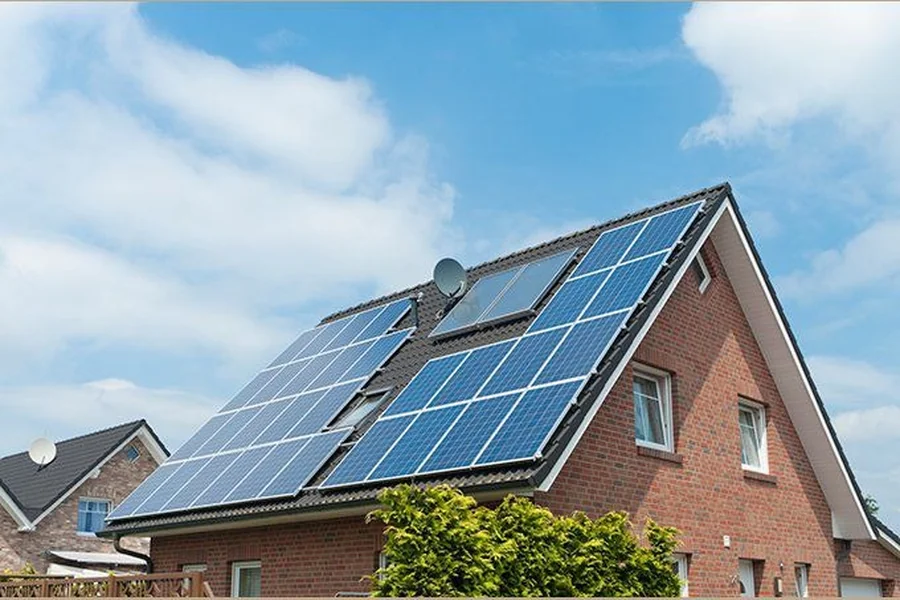
Solar energy captures power produced by the sun and converts it into electricity that can be used to run homes, commercial buildings, and even large-scale industrial facilities. This simple but powerful concept has unlocked a world of advantages. With more advancements in solar panel technology, energy storage solutions, smart inverters, and financing options, solar installations have become more efficient, more affordable, and more accessible than ever before. This shift has encouraged communities to grow more energy independent, reducing strain on the grid during peak times and easing long-term environmental burdens. Because solar power systems rely on an unlimited natural resource—the sun—adopters gain the benefit of a continuous energy supply without depending entirely on unpredictable fuel markets or fluctuating utility charges.
One of the most compelling reasons people transition to solar is the dramatic reduction in electricity bills. Solar panels begin generating power the moment sunlight reaches them, allowing homeowners and businesses to offset their monthly electricity consumption. In many regions, solar users can return excess electricity to the grid through net metering programs, earning credits that further reduce energy expenses. These savings can be substantial over the lifespan of a system, often totaling tens of thousands of dollars. Because panels typically last more than 25 years and require minimal maintenance, the long-term financial return is particularly attractive. When paired with energy-efficient appliances and smart home technology, solar energy can significantly lower household costs and provide greater control over monthly budgeting. Additionally, solar power is increasingly being implemented in commercial energy plants, enabling industries to generate sustainable electricity on a larger scale while supporting environmental goals.
Environmental Advantages of Solar Energy
Environmental benefits also play a major role in the rising popularity of solar energy. Solar power generates electricity without harmful emissions, reducing the carbon footprint of each home or building that uses it. Greenhouse gas reduction has become an essential part of global sustainability efforts, and solar energy stands as one of the most effective and scalable ways to contribute to this mission. As climate regulations continue to tighten and environmental awareness increases, solar adoption becomes both a personal and community-driven responsibility. Installing solar panels means less reliance on fossil fuels, fewer emissions, and a cleaner planet for future generations.
Solar energy also provides unparalleled reliability. Unlike traditional electricity sources that may be affected by supply chain disruptions, fuel shortages, or grid failures, solar systems equipped with batteries can continue delivering power during outages. Energy storage technology has advanced rapidly in recent years, making battery systems more efficient and more affordable. During storms, wildfires, or grid maintenance events, homes with battery backup remain functional even when surrounding areas face blackouts. This reliable source of energy gives homeowners and businesses a valuable sense of security, especially in regions prone to natural disasters or unstable grid infrastructure.
The economic advantages extend beyond individual energy bills. The growing demand for solar installations supports local economies by creating jobs in engineering, design, installation, manufacturing, and customer support. Solar energy companies continue to expand, offering skilled employment opportunities that benefit local communities. This economic growth has encouraged cities and states to adopt policies, incentives, and rebates that make solar installations easier to finance and more accessible to everyday consumers. These programs have helped remove cost barriers and accelerated solar adoption across the country.
Technological Innovations in Solar Energy
Technology continues to shape the future of solar energy. Modern solar panels are more efficient than ever, converting higher percentages of sunlight into usable energy. New panel designs, including bifacial panels and thin-film technologies, allow for greater electricity production in various environments and climates. Additionally, the integration of solar technology with smart home systems gives users real-time control over their energy usage, helping them make informed decisions that maximize efficiency and reduce costs. Innovations in solar roofing, portable solar generators, and flexible panel systems are making solar adaptable to even more applications, from residential homes to remote locations and large-scale commercial operations.
Financial accessibility has also improved dramatically. Homeowners can choose from numerous financing options, including cash purchases, loans, leases, and power purchase agreements. Each option offers unique benefits depending on energy needs, budget, and long-term goals. Solar financing often includes low interest rates, predictable payments, and immediate energy savings that help offset installation costs. Combined with federal tax credits, local rebates, and long-term utility bill reductions, solar energy remains one of the most financially rewarding home improvement investments.
Solar power also increases the value of a property. Research consistently shows that homes equipped with solar systems sell faster and at higher prices than comparable homes without solar. Buyers appreciate the immediate financial benefit of lower utility bills and the reliability of a solar-powered home. Because panels are designed to last for decades, solar systems are viewed as long-term assets that continue adding value. For homeowners planning to sell in the future, solar energy provides a strategic advantage in the real estate market.
Solar Energy for Commercial Buildings
Commercial buildings benefit from solar energy as well. Businesses that adopt solar can reduce their operating costs, improve energy reliability, and demonstrate a commitment to sustainability that resonates strongly with employees and customers. Commercial rooftop systems and ground-mounted arrays offer significant savings, especially for energy-intensive operations such as warehouses, restaurants, retail centers, and manufacturing facilities. Many companies incorporate solar into their long-term financial planning because it stabilizes energy expenses and supports corporate sustainability goals.
Communities also benefit when local solar adoption increases. Reducing demand on the electrical grid helps prevent overloads and decreases the need for costly infrastructure improvements. Utilities often encourage solar installations because they help maintain grid stability, especially during periods of high demand. As more homes and buildings produce renewable energy, communities develop more resilient energy ecosystems that can withstand environmental and economic challenges.
For individuals looking to transition toward solar energy, working with a trusted Solar energy company can make the process smoother and more transparent. Professional installers guide customers through system design, financing, permitting, installation, and long-term support, ensuring that each solar system performs efficiently and meets the needs of the property. With proper planning and expert installation, solar energy becomes a long-lasting investment that delivers financial and environmental benefits for decades.
The future of solar energy is bright, driven by constant innovation and growing public awareness. As technology improves and costs continue to decrease, solar power will continue expanding across neighborhoods, commercial districts, and industrial facilities. Communities are already recognizing solar energy as a key part of building sustainable, resilient, and economically stable environments.
Conclusion
Solar energy is more than a trend—it is a powerful solution to the rising challenges of modern energy consumption. It provides financial savings, environmental protection, energy independence, and long-term stability. Whether for a single home, a thriving business, or an entire community, solar power stands as one of the most valuable investments in today’s world. The momentum behind solar adoption shows no signs of slowing down, and for many families and businesses, now is the perfect time to join the movement and embrace the future of clean, renewable energy.