
Choosing Between Web App and Mobile App: Which One is Better?
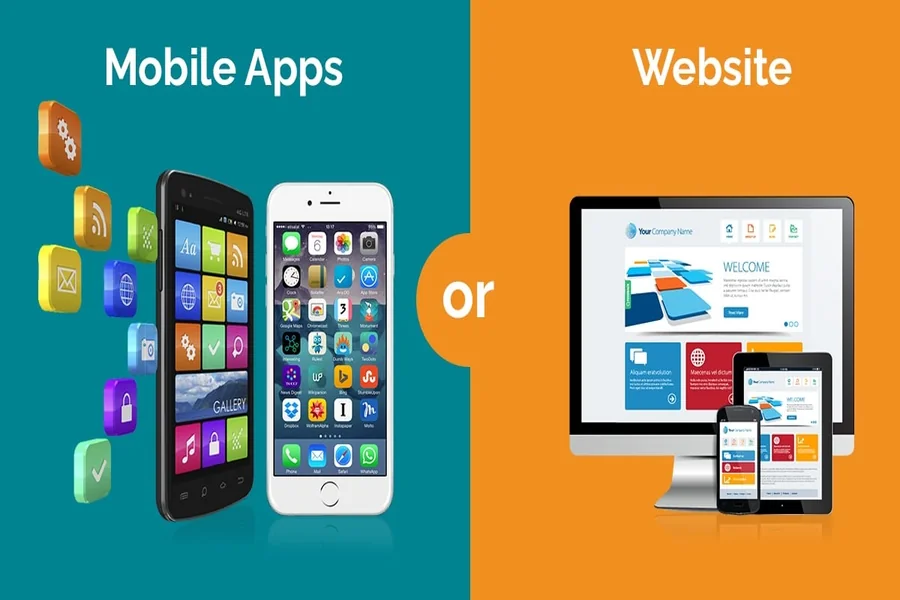
Digital products have become an integral part of businesses in recent days, and deciding between a mobile app and a web app may be one of the most crucial decisions. The correct decision will be based on your audience, goals, budget, and long-term growth strategy. Although mobile app development is growing at an incredibly high pace in the US market, web apps are still flexible and cost-effective in most applications.
Understanding Web App Development
Web apps, or website applications, are apps that are operated on computers using web browsers. They are accessed by their URLs, and the users do not download anything to their gadgets. Examples are online portals, dashboards, and e-commerce. Ecommerce AEO can further enhance the results.
Key Characteristics of Web Apps
- Available on various browsers such as Chrome, Safari and Edge
- No installation required
- Automatically updated
- Cross-platform accessibility supporting mobile and desktop browsers.
Advantages of Web Apps
- Reduced development cost: A single application can be used on all devices.
- Light maintenance: Maintenance is immediate and universal.
- Quick to launch: Perfect when it comes to MVPs and early products.
Limitations of Web Apps
- Restricted access to device capabilities such as camera, GPS, sensors, etc.
- In most cases, it needs internet connectivity.
- Lower efficiency as compared to native applications.
Understanding Mobile App Development
Mobile applications are one of the most common and useful things in our lives. It is the apps that run on mobile phones, tablets, and other devices, which we can download from app stores or play stores. They may be both cross-platform and native (iOS or Android).
Core Features of Mobile Apps
- Installed on the personal computer.
- Touch Interaction optimized.
- Can work both offline and with limited connectivity.
Benefits of Mobile Apps
- Best in performance: It is optimised according to the platforms in use and thus offers excellent performance.
- Better User Experience: Navigation is easy, and the loading is quick.
- Complete device access: Push notifications, biometrics, GPS, camera.
- Greater involvement: Best in terms of repeat and loyalty.
Challenges of Mobile Apps
- Increased expense of development and maintenance.
- Approval of app stores.
- Needs clean platforms or architectures across platforms.
- Mobile apps can provide greater long-term value to brands that intend to create engaging user experiences or high traffic volumes.
Web App vs Mobile App Development: A Side-by-Side Comparison
User Experience
Native UI elements and operating device-level make mobile apps more intuitive and customised. Since they can get better quickly, web apps might not be as fluid as intricate interactions would demand.
Performance
Web applications are dependent on browsers that may create latency while mobile apps are more efficient.
Accessibility & Reach
Web applications prevail in accessibility. They are available to anyone with a browser in real-time, and this makes them perfect for reaching a wide audience in the U.S. without any hassle.
Development Cost & Time
Web applications can be more quickly and inexpensively developed.
Maintenance & Updates
Web applications are automatically updated. On mobile apps, the user has to download updates, though many of them are done in the background.
When to Choose a Web App
A web application can be the appropriate option when:
- You need to start fast and operate on a small budget.
- Your product is information-based or content-based.
- Organic traffic and SEO are their priorities.
- Your users do not require sophisticated features of the device.
The U.S. has many startups and service-based businesses that launch web apps, then progress to mobile when product-market fit has been established.
When to Choose a Mobile App
A mobile application would be a better solution when:
- Your business is based on the frequent user interest.
- You require offline or push notifications.
- Your application relies on the GPS, camera, or sensors.
- You are creating a product or an on-demand service that faces consumers.
Industries such as fitness, fintech, healthcare, and retail can be the most successful in investing in a specific mobile application.
Hybrid and Progressive Web Apps: A Middle Ground
In case you are ambivalent about the two choices, hybrid solutions can present you with an ideal combination of the two.
- Progressive Web Apps (PWAs): Web apps which act like mobile apps, and have offline functionality and push notifications.
- Cross-platform applications: One piece of code is used on various mobile platforms.
These solutions lower the expenses and provide a better outcome and user experience.
Business Strategy Matters More Than Technology
The right decision is not a technical one, but it is a strategic one. The choice ought to be in line with your marketing objectives, consumer behaviour, and long-term expansion strategy. With the help of an experienced Digital Marketing Agency, New York will be able to examine the user data, market trends, and ROI and make a commitment to a platform.
Summary
Web apps provide speed, low cost, and access, whereas mobile apps have performance, interactivity, and features. Mobile App Development can be used when the brand aims to achieve the long-term loyalty of users, and web apps are optimal in cases of quick implementation and universal applicability. You can use this process to choose the solution that maximises value to your business using careful consideration of your goals and assets in the U.S. market.