
Commercial Roof Inspection Planning: A Practical Guide for Building Owners
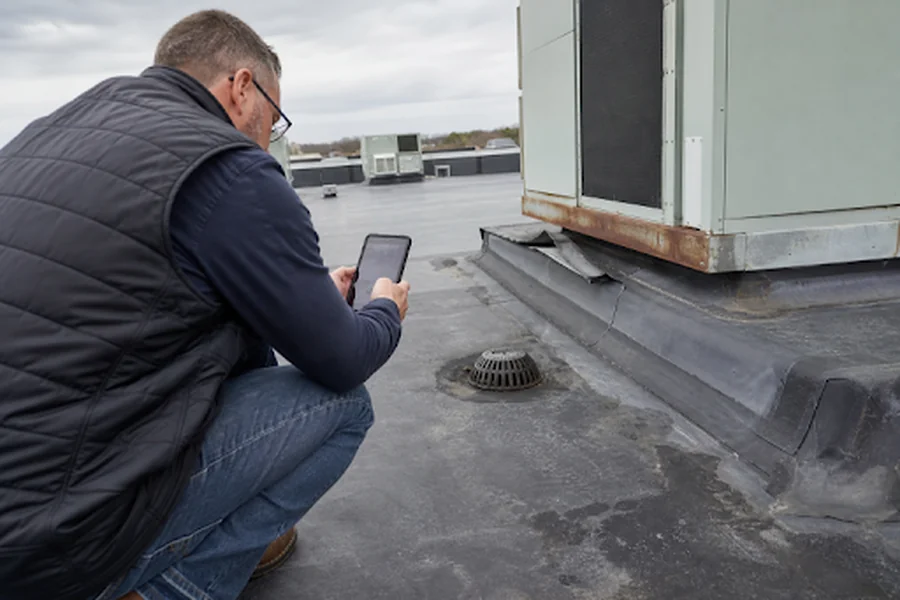
A commercial roof inspection is a practical way to protect the building, the people inside it, and the operations that depend on it. Rather than waiting for a ceiling stain or an active leak, building owners can use commercial roof inspection planning from experts at https://www.deltaservices.com/commercial-roof-inspection/ to identify concerns early, document conditions, and prioritize the work that matters most.
Roofs are complex systems with membranes or panels, insulation, flashing, drainage components, penetrations, and access areas. A written inspection plan gives property managers and facility teams a repeatable process for reviewing those components throughout the year.
Why Commercial Roof Inspections Matter
A roof protects inventory, equipment, tenants, employees, and everyday business activity. Problems can remain concealed above the roof surface or within insulation until water reaches the interior. For example, a loose flashing detail around a curb may gradually admit water, eventually affecting insulation and interior finishes. Planned inspections help teams address conditions before they become disruptive repairs.
When To Schedule An Inspection
Timing should reflect roof age, weather exposure, building use, past repairs, and applicable warranty terms. Many owners schedule routine reviews and add inspections whenever a condition changes. Common triggers include:
- Hail, high winds, ice, heavy snow, or other severe weather.
- Leaks, water stains, damp odors, or signs of moisture indoors.
- A pending property purchase, sale, major renovation, or annual budget cycle.
- New HVAC, solar, electrical, signage, or telecommunications work.
- Requests for insurance or warranty documentation.
What Inspectors Check
A careful inspection considers the entire roof assembly, not just the field surface. Review areas may include membranes, coatings, shingles, or metal panels; seams, fasteners, and exposed edges; flashing at vents, skylights, and equipment curbs; drains, gutters, scuppers, and overflow routes; and areas showing ponding water. The review should also consider visible insulation or deck issues, interior ceilings and walls below the roofline, debris, and damage from foot traffic or prior repairs.
The Inspection Process In Simple Steps
- Review roof history. Gather installation information, warranties, prior reports, repair invoices, leak logs, and plans.
- Inspect the roof surface. Note material condition, drainage, penetrations, edges, and unusual wear.
- Check related interior areas. Compare rooftop findings with stains, odors, moisture, or temperature changes inside.
- Assess questionable areas. Use appropriate methods when hidden moisture or deterioration is suspected.
- Rank findings. Separate immediate water-entry or safety issues from routine maintenance and monitoring.
- Document and follow up. Assign responsibilities, set target dates, and confirm completed work.
Warning Signs That Need Attention
Not every roof problem produces an immediate leak. Watch for repeated leaks in one location, expanding water stains, bubbles or cracks in roof materials, lifted edges, loose flashing, rust at metal components, soft or sagging areas, debris near drains, and standing water that remains after dry weather returns. These signs do not always confirm the cause, but they are good reasons to investigate and document the area.
What To Do After Severe Weather
Wind, hail, falling branches, and debris can damage a roof in ways that are not visible from the ground. Record the storm date, photograph visible damage and interior conditions, and limit unnecessary roof traffic until the area can be assessed safely. Inspection planning should also account for fall hazards. An August 3, 2026, Cal/OSHA enforcement release involving a fatal fall underscores the need for roof work safety to include appropriate fall protection, safe access, and trained personnel.
What A Useful Report Should Include
A useful report makes the next decision easier. It should identify the inspection date and weather conditions, areas reviewed and inaccessible areas, photographs with location notes, descriptions of observed conditions, likely causes when reasonably identifiable, and recommended repairs, testing, or monitoring. Each item should have a priority level and a suggested completion time frame. If an estimate of remaining service life is offered, it should be presented as a professional assessment rather than a guarantee.
Using Inspection Records For Budget Planning
Roof records help owners replace surprise expenses with better-informed maintenance planning. Keep roof plans, warranties, reports, photographs, invoices, storm notes, access logs, and records of rooftop equipment changes in one property file. These building inspection records can also be important when a major property incident prompts questions about construction activity, permits, repairs, or maintenance history.
Roof Access And Worker Safety
Every inspection plan should address how people will reach and move around the roof. Confirm that the access route is clear and stable, roof edges and skylights are identified, the weather is suitable, and workers can reach the inspection area without unnecessary exposure. Maintain emergency contacts, communication procedures, and a roof access log, especially when multiple vendors use the roof.
Common Planning Mistakes
- Waiting for a major leak before inspecting.
- Reviewing only the visible roof surface and ignoring interior clues.
- Failing to check repair history, drainage, and rooftop work records.
- Accepting reports without photos, locations, priorities, or recommended actions.
- Letting small repairs remain open without a tracking or follow-up process.
- Selecting a repair option solely by initial price without considering durability and future work.
Commercial Roof Inspection Checklist
- Confirm the inspection date, weather outlook, and access plan.
- Collect roof drawings, warranties, previous reports, and repair records.
- Note recent storms, leaks, and rooftop contractor activity.
- Review interior spaces below the roof.
- Check seams, edges, penetrations, flashing, drainage, and debris.
- Photograph significant findings and record their locations.
- Rank issues by safety risk, water-entry risk, and urgency.
- Assign repair responsibilities, follow-up dates, and record storage duties.
Final Thoughts
A commercial roof inspection is more than a quick search for leaks. It is a planning tool that helps protect building operations, improve safety, organize maintenance spending, and support long-term decisions. Consistent scheduling, clear documentation, and prompt follow-up make roof care a manageable part of responsible property management.