
Compact Excavator Attachments Guide: Mini Excavator & Brush Cutter
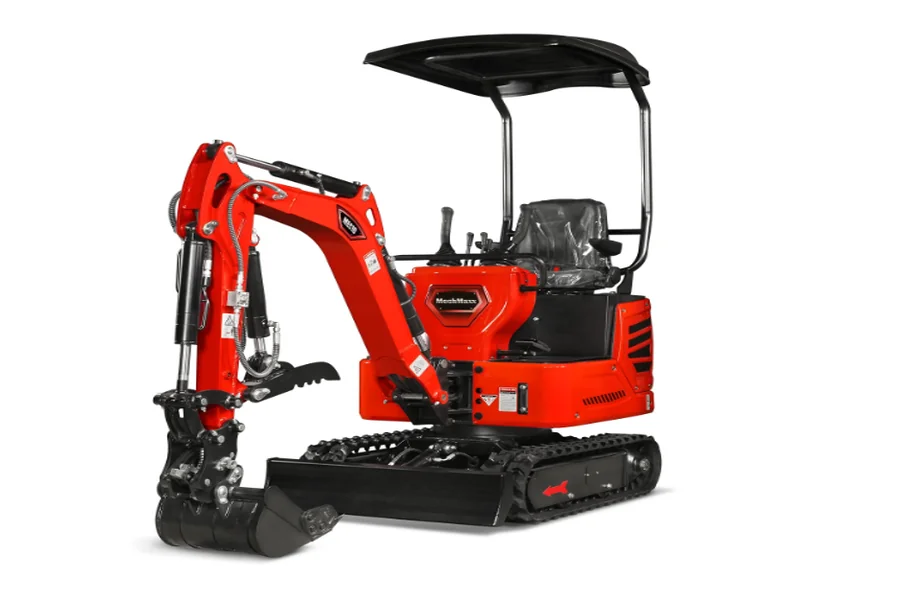
Compact machines are widely used for small to medium jobs where space is limited. A mini excavator is popular in landscaping, construction, farming, and property maintenance because it is easy to move, simple to operate, and powerful for its size.
The real strength of these machines comes from the attachments used with them. By changing attachments, one machine can dig, drill, break, compact, or clear land. This guide explains how different attachments work and how they help operators complete tasks more efficiently, including brush and surface clearing jobs.
What Are Compact Excavator Attachments?
Compact excavator attachments are tools that connect to the excavator to perform specific tasks. Instead of using one machine for one job, operators can switch attachments and use the same machine for multiple purposes. This saves time, cost, and space on job sites.
Compact excavator attachments are usually powered by the machine’s hydraulic system and are designed to match the size, weight, and hydraulic capacity of smaller excavators.
Common functions of excavator attachments include:
- Digging and trenching
- Drilling holes for posts or plants
- Breaking concrete or rock
- Compacting soil
- Clearing grass, bushes, and light vegetation
Using the right attachment improves work quality, reduces manual labor, and increases overall productivity.
Common Attachments Used With Mini Excavators
Choosing the right attachment is important because each job requires a different tool. Mini excavators are designed to support a wide range of hydraulic and non-hydraulic attachments, making them highly flexible for many industries.
Mini Excavator Attachment Overview
| Attachment Type | Primary Use | Typical Job Sites |
| Digging Bucket | Excavation and trenching | Construction, landscaping |
| Tilting Bucket | Sloped and angled digging | Drainage, grading |
| Auger | Drilling round holes | Fencing, farming, planting |
| Breaker Hammer | Breaking hard surfaces | Concrete, rock, demolition |
| Compactor | Compressing soil | Foundations, trenches |
Each attachment is built for a specific task. Using the correct attachment helps reduce machine strain, improves safety, and speeds up work.
Brush Clearing Solutions for Compact Excavators
Brush clearing is a common requirement in land maintenance, landscaping, and agricultural work. Compact excavators can handle this task when fitted with the correct hydraulic attachment.
Mini Excavator Brush Cutter Explained
A mini excavator brush cutter is used to cut grass, weeds, and light brush in areas where larger machines cannot operate easily. These attachments rely on the excavator’s auxiliary hydraulics and must match the machine’s hydraulic flow and pressure.
In some cases, mulcher-style heads are used instead of traditional brush cutters. These are better suited for thicker vegetation but require higher hydraulic capacity.
Key points to consider for brush clearing attachments:
- Hydraulic flow compatibility is critical
- Best for controlled and small-area clearing
- Suitable for landscaping, property maintenance, and farm work
Selecting the right brush-clearing attachment ensures clean results and prevents damage to the machine.
How to Choose the Right Attachment
Selecting the right attachment depends on your machine and the type of work you plan to do. Not all attachments work with every excavator, so checking compatibility is essential before making a choice.
Key factors to consider include:
- Machine size and operating weight
- Hydraulic flow and pressure requirements
- Attachment mounting and coupler type
- Type of job and material being handled
- Frequency of use and work environment
Choosing an attachment that matches your excavator helps avoid performance issues, reduces wear, and improves safety on the job site.
MechMaxx Mini Excavators and Attachment Compatibility
MechMaxx offers a range of compact machines and attachments designed for small and mid-size projects. Their equipment is built to support multiple hydraulic tools, allowing operators to switch attachments based on job needs.
MechMaxx mini excavators are suitable for landscaping, construction, farming, and property maintenance work. They are designed to operate efficiently with compatible attachments, helping users complete tasks in tight spaces.
Common benefits of MechMaxx equipment include:
- Compact design for narrow and limited areas
- Hydraulic systems that support multiple attachments
- Practical options for digging, drilling, breaking, and clearing
Typical Applications by Industry
Compact excavators are used across many industries because they can handle different tasks by changing attachments. This flexibility makes them useful for both commercial and residential projects.
Attachment Use by Industry
| Industry | Common Attachments Used |
| Landscaping | Buckets, augers, brush cutters |
| Construction | Breaker hammers, compactors, buckets |
| Agriculture | Augers, grading buckets |
| Property Maintenance | Brush clearing attachments, digging buckets |
By matching the attachment to the industry-specific task, operators can complete work faster and with better results.
Maintenance and Safety Tips
Proper maintenance and safe operation help extend the life of both the excavator and its attachments. Regular checks also reduce downtime and unexpected repairs.
Important maintenance and safety tips:
- Inspect hydraulic hoses and fittings before use
- Make sure the attachment is securely connected
- Clean attachments after each job
- Do not exceed the machine’s hydraulic limits
- Follow the manufacturer’s safety guidelines
Routine care ensures reliable performance and safe operation on every job site.
Final Thoughts
Using the right attachments allows compact excavators to handle many different tasks with efficiency and control. From digging and drilling to breaking and brush clearing, attachments help operators get more value from one machine while reducing time and effort on the job site.
By understanding attachment types, compatibility, and proper use, operators can improve performance and safety. Choosing quality equipment and maintaining it correctly ensures long-term reliability and consistent results across landscaping, construction, agriculture, and property maintenance projects.