
How Gresham Weather Affects Senior Pets (and What Owners Notice First)
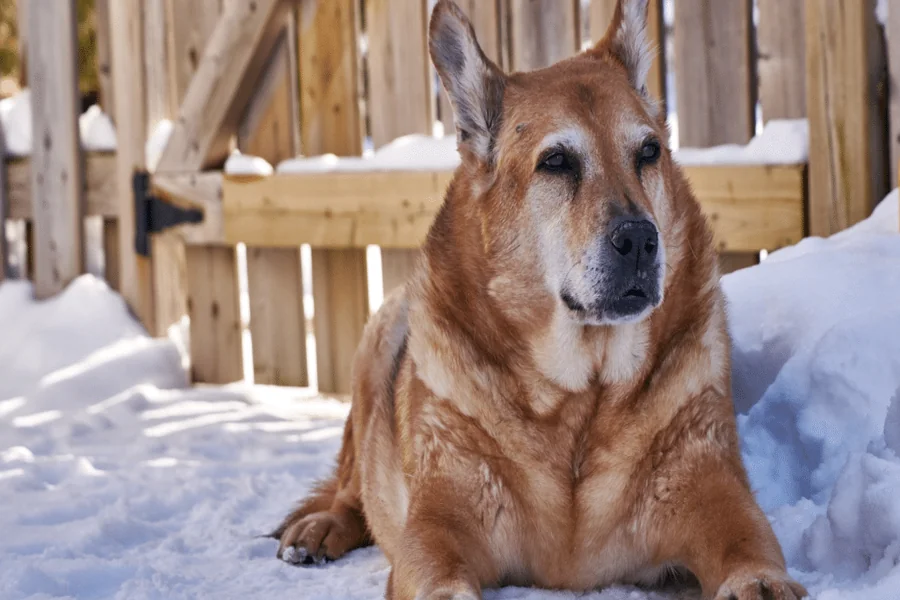
As pets age, their bodies become more sensitive to changes in the environment. In a place like Gresham, Oregon, where weather can shift from damp and chilly to hot and dry within a short span, senior pets often feel those changes more intensely than younger animals.
For pet owners, the first signs are usually subtle. A slower walk. A bit more stiffness. Maybe less interest in food or play. Understanding how weather affects older pets can help you respond early and keep them comfortable year-round.
Why Senior Pets Are More Sensitive to Weather
Aging pets experience many of the same physical changes humans do. Joint wear, reduced circulation, and weaker immune systems all make it harder for them to regulate temperature and handle environmental stress.
Cold, damp conditions—common in Gresham—can aggravate arthritis. On the other hand, warmer days can lead to dehydration or fatigue more quickly than expected. Even small weather shifts can impact how your pet feels day to day.
What Owners Usually Notice First
Most changes show up in behavior before anything else. Here are the early signs many pet owners report:
- Stiffness and slower movement
Cold or rainy weather often makes senior pets reluctant to move. You might notice hesitation when getting up, climbing stairs, or going outside.
- Changes in sleep patterns
Older pets may sleep more during colder months or become restless when temperatures fluctuate.
- Reduced appetite
Sudden weather changes can affect metabolism and comfort, leading to less interest in food.
- Increased anxiety or clinginess
Storms, pressure changes, or even strong winds can make older pets uneasy.
- Sensitivity to heat
On warmer days, senior pets may pant more, tire easily, or avoid activity altogether.
These small shifts are often the first indicators that weather is affecting your pet.
Seasonal Challenges in Gresham, OR
Gresham’s climate creates a few specific challenges for aging pets:
- Wet, cold winters: Can worsen joint pain and stiffness
- Sudden temperature swings: Harder for senior pets to adapt
- Dry summer heat: Increases risk of dehydration and fatigue
Being aware of these patterns helps you plan ahead instead of reacting after your pet is already uncomfortable.
How to Help Your Senior Pet Stay Comfortable
You don’t need drastic changes. Small adjustments can make a big difference.
- Provide a warm, dry sleeping area away from drafts
- Shorten walks during extreme cold or heat
- Use ramps or soft bedding to reduce joint strain
- Keep fresh water easily accessible at all times
- Watch closely for behavior changes during weather shifts
Consistency matters more than anything. Older pets do best when their environment stays stable.
When Changes Become More Serious
Sometimes, weather-related stress can highlight deeper health issues. If your pet shows ongoing discomfort, significant appetite loss, or sudden behavioral changes, it may be time to consult your veterinarian.
And as difficult as it is to think about, caring for a senior pet also means preparing for end-of-life decisions. Many families eventually face questions not just about comfort, but about loss.
For those navigating that stage, resources on how to grieve the loss of a pet can be incredibly helpful. Grief looks different for everyone, and having guidance can make the process a little less overwhelming.
Some families in the area also look into services like pet cremation Gresham OR when planning ahead. While it’s not easy to consider, knowing your options early can bring peace of mind during an emotional time.
For families looking for support, Compassionate Care offers practical blog resources and guidance to help navigate end-of-life decisions for pets. They are a trusted in-home pet euthanasia and pert cremation provider in Portland and surrounding areas, including Gresham, OR.
Final Thoughts
Weather may seem like a small factor, but for senior pets, it plays a big role in daily comfort and overall health. The key is paying attention to the little things—because those are usually the first signs something has changed.