
How Senior Living Communities Encourage an Active, Meaningful Lifestyle
Key Takeaways
- Senior living communities offer diverse programs to promote physical, mental, and social well-being.
- Engaging in community activities can enhance longevity and overall life satisfaction.
- Personalized services and safety features support independence and peace of mind.
Deciding to move into a senior living community can be a significant step in maintaining independence while increasing opportunities for engagement and fulfillment. Modern communities are thoughtfully designed to go beyond meeting basic needs, offering vibrant environments where older adults can thrive through an array of active senior independent living programs. These activities emphasize physical wellness, mental stimulation, and strong social connections, giving residents the tools and support they need to enjoy a purposeful lifestyle.
For many seniors, the transition is an opportunity to access support and amenities that may not be available at home. Along with opportunities for recreation and personal growth, senior living communities address daily living needs while fostering a sense of autonomy and control over day-to-day life. By focusing on the whole person, residents are encouraged to live life to the fullest, surrounded by peers and caring professionals.
Research consistently shows that staying physically, socially, and mentally active is linked to improved quality of life and longevity. The holistic approach in these communities ensures that every resident has access to resources for both the body and the mind. According to the National Institute on Aging, engaging in regular group activities and wellness programs can significantly reduce the risks of cognitive decline and promote lasting happiness.
Beyond convenience, a senior living community focuses on creating an environment tailored to each resident’s interests and abilities. Amenities such as group classes, wellness programs, and engaging common spaces empower older adults to remain productive, creative, and socially engaged for years to come.
Comprehensive Wellness Programs
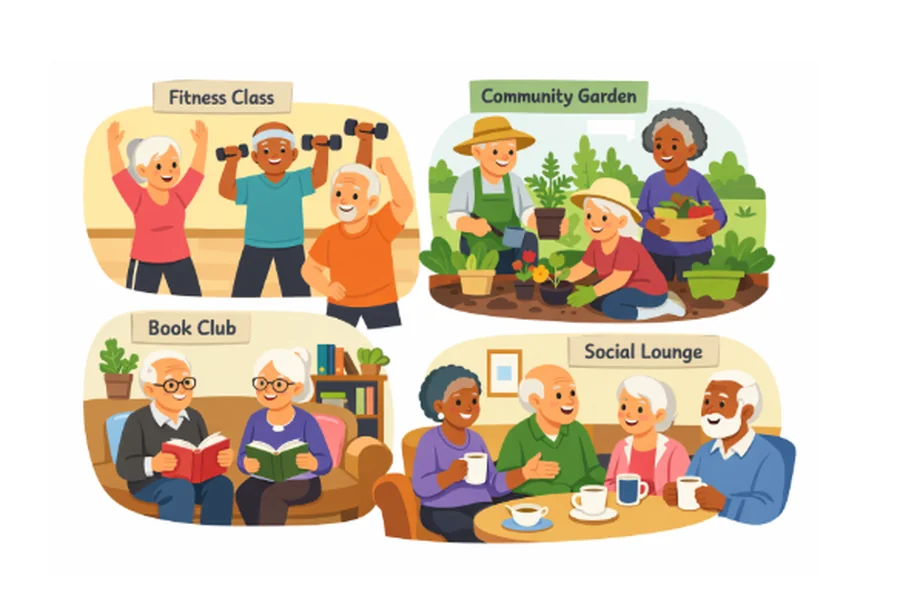
Wellness is at the heart of every successful senior living community. Residents can participate in an impressive range of fitness offerings, such as water aerobics, tai chi, chair yoga, and strength training. These classes accommodate all ability levels and are designed to improve flexibility, mobility, and muscle tone while providing positive experiences. Exercise has proven benefits for mental health, reducing anxiety and stress, making regular participation in wellness programs an important part of daily life for many seniors.
Social Engagement Opportunities
One of the most valuable aspects of senior living communities is their ability to foster meaningful connections. Through group activities, hobby clubs, collaborative events, and communal dining, residents enjoy daily opportunities for interaction and companionship. This robust social network is essential for emotional health because it helps prevent isolation, reduces the risk of depression, and brings a shared sense of belonging. Scheduled outings, cultural trips, and entertainment events further enrich social engagement by connecting residents to the larger community.
Personalized Services and Safety Features
Maintaining independence is a central concern as people age, and senior living communities meet this need through personalized services and state-of-the-art safety features. Apartment layouts and common spaces are designed for accessibility, with emergency call systems installed in each unit. Trained staff offer assistance with daily activities when needed, while still respecting residents’ autonomy. These thoughtful features bring peace of mind to residents and their families, providing reassurance that help is always nearby but never intrusive.
Encouraging Lifelong Learning
Retirement signals a new chapter for expanding interests and advancing personal growth. Many communities offer educational programs, including book clubs, lectures, art classes, language lessons, and technology tutorials. Lifelong learning helps residents keep their minds sharp, gain new skills, and stay informed about the world around them. These programs often include discussions led by guest speakers or partnerships with local educational institutions, which can ignite curiosity and create a culture of ongoing discovery.
Promoting Physical Wellness
Physical activity is not only important for mobility and strength but also for maintaining independence. Senior living communities go beyond standard exercise by providing walking clubs, group sports, stretching sessions, and well-equipped fitness centers. Organized activities are designed to be fun and accessible for every fitness level, encouraging steady participation without feeling intimidating. For many residents, friendly competition or teamwork in these settings increases motivation and makes physical activity a regular, enjoyable part of life.
Fostering Hobbies and Interests
Every individual has unique passions, and senior living communities take pride in offering outlets for self-expression. Artistic workshops, gardening groups, music sessions, and craftsmanship clubs ensure that residents can pursue existing hobbies or develop new interests. Whether painting, singing, planting, or crafting, these creative pursuits help lessen stress and bring daily purpose. Sharing hobbies with others also leads to new friendships and a vibrant, collaborative community atmosphere.
Providing Nutritious Dining Experiences
Proper nutrition is a cornerstone of healthy aging. Communities provide meal plans developed by trained dietitians and skilled culinary teams to ensure well-balanced options at every meal. Residents can also enjoy cooking demonstrations and workshops that promote healthy habits and empower them to make positive choices. Thoughtfully crafted menus support dietary preferences and medical needs, and the experience is enriched by communal dining, which turns each meal into a social and enjoyable event.
Supporting Emotional and Spiritual Well-being
True wellness includes caring for the mind and spirit. Senior living communities provide holistic health programs that may include mindfulness meditation, music and art therapy, and on-site religious services or spiritual counseling. Having these opportunities available allows residents to manage stress better, maintain resilience, and nurture their overall sense of well-being. The combination of emotional and spiritual support helps foster optimism, boost morale, and encourage a positive outlook in everyday life. More insights into the power of purposeful living for seniors can be found through reputable sources such as AARP.
By integrating health-centered services, diverse activity options, and a focus on lifelong purpose, senior living communities create spaces where older adults can live actively, safely, and with deep personal satisfaction. These supportive environments empower residents to embrace independence, build community, and savor every stage of life.