
How To Plan Safer Below-Grade Construction Projects
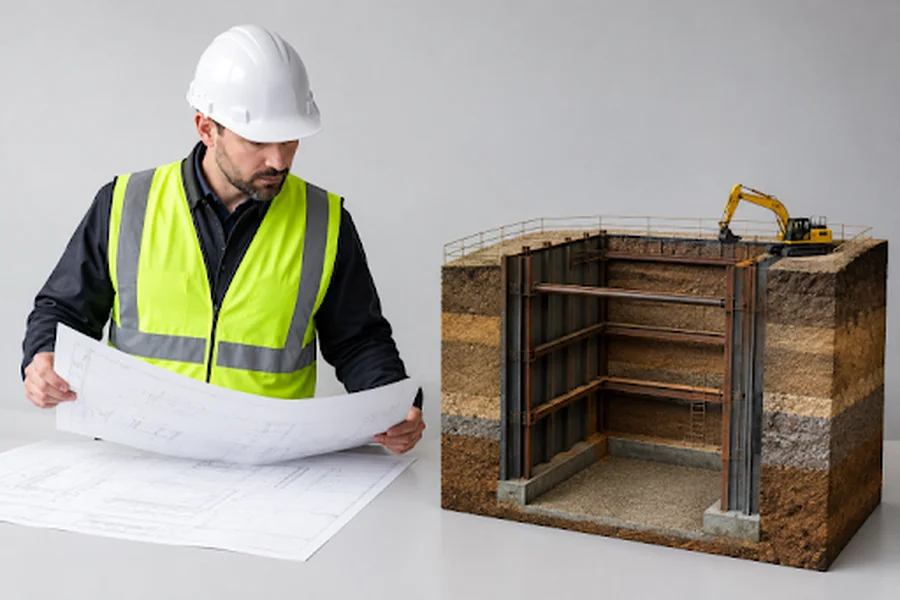
Below-grade construction can set the direction for an entire project. Excavation, groundwater, temporary support, utility coordination, equipment access, and nearby structures all interact, so a problem in one area can quickly affect schedule, cost, and safety. Working with an experienced team, such as the specialists at https://www.sjhauckconstruction.com/, can help project teams identify constructability concerns before crews begin removing soil.
The strongest plans do not treat excavation as an isolated early task. They integrate site investigation, support-of-excavation design, foundation installation, waterproofing, backfill, inspections, and communication into a single controlled process. Good planning also gives the team a clear path to pause work when field conditions no longer align with the approved assumptions.
Why Early Planning Matters
Below-grade work changes the forces acting on a site. Removing soil can affect neighboring foundations; water can weaken or complicate an excavation; and a spoil pile or heavy machine near an edge can impose surcharge loads. A complete preconstruction review reduces the likelihood that crews must make high-risk decisions under schedule pressure.
Strong drawings remain essential, but drawings alone cannot reveal every buried obstruction, soil change, undocumented repair, or active water source. Teams should establish who is responsible for reviewing field conditions, approving temporary works, and communicating changes before work starts.
Start With A Clear Site Investigation
Review Existing Information
Begin with the available survey, geotechnical report, utility records, drainage plans, structural drawings, property information, and records of earlier repairs. Confirm property lines, easements, rights-of-way, access restrictions, and the location of nearby streets or public infrastructure. If the information is incomplete, identify the gap early rather than assuming it will not affect the work.
Verify Conditions In The Field
Field verification should compare design assumptions with the actual site. Look for standing water, settlement, cracking, buried debris, old foundations, inconsistent grades, and signs of prior soil disturbance. Test pits, borings, utility locating, and condition surveys can provide useful information when records are unclear. The cost of learning about a conflict before excavation is typically easier to manage than redesigning support after excavation is underway.
Account For Soil And Groundwater Conditions
Soil type and water conditions influence both excavation stability and foundation performance. Conditions may differ across a single site, particularly where fill, prior construction, drainage paths, or varying native soils are present. Rainfall, runoff, seepage, freeze-thaw conditions, and dewatering activities can also change the work area after the original plan is issued.
Before workers enter an excavation, the team should evaluate soil stability, control surface water, define where spoils and equipment may be placed, and determine whether a protective system is needed. The risk of a trench collapse is serious because excavation walls can fail suddenly, leaving little opportunity for workers to escape.
Choose The Right Excavation Support System
A protective or retention system must suit the specific site rather than follow a one-size-fits-all preference. Common approaches include:
- Sloping: Cutting back the excavation sides to reduce the likelihood of a soil failure.
- Benching: Forming stepped excavation levels where soil conditions and design allow it.
- Shoring: Using structural members to resist earth movement.
- Shielding: Protecting workers inside a trench with a properly selected and installed shield system.
- Retention systems: Using systems such as piles, lagging, bracing, or tiebacks when site limits make open sloping impractical.
Selection should account for depth, soil classification, groundwater, nearby loads, vibration, project duration, access, installation sequence, and removal sequence. OSHA excavation requirements address soil classification, protective systems, inspections, and other excavation hazards that must be considered during planning.
Protect Nearby Buildings And Utilities
Excavation can affect adjacent buildings, sidewalks, roads, retaining walls, and buried services. Before digging, identify gas, electric, water, sewer, drainage, and communication lines, then clarify how each will be protected, supported, relocated, or avoided. A pre-work condition survey with photographs can create a useful baseline for nearby structures.
Project leaders should also identify equipment travel routes, delivery zones, vibration-sensitive features, and monitoring needs. Ask practical questions: What is close enough to move? What conditions would indicate movement? Who receives an alert? Who has authority to stop work? Clear answers are more useful than assumptions when conditions change.
Build A Safe Work Sequence
Break below-grade work into defined phases: demolition or site clearing, utility work, support installation, excavation, foundation construction, waterproofing, drainage, and backfill. Each phase should identify hold points for the responsible engineer, the competent person, the inspector, or the project manager. Hold points make it easier to confirm that support, water control, and access remain appropriate before the next step begins.
Equipment and material staging deserve the same attention. Keep trucks, cranes, spoil piles, stored materials, and traffic routes away from vulnerable excavation edges unless the design specifically accounts for those loads. The schedule should also allow for weather delays, changed groundwater conditions, and unexpected subsurface discoveries.
Use Daily Inspections And Field Checks
Excavations should be inspected before each shift and after rain, vibration, equipment movement, or other events that could increase the risk of hazards. Inspectors should look for cracking, sloughing soil, bulging, water accumulation, damaged support members, shifting materials, and changes around adjacent structures.
Document findings with photos, notes, assigned corrective actions, and updated field sketches when necessary. Confirm that ladders, ramps, barriers, walkways, emergency access, and protective systems remain usable. If conditions are unsafe or no longer align with the plan, stop entry until the issue is evaluated and corrected.
Improve Communication Across Project Teams
Owners, designers, general contractors, specialty contractors, utility teams, and safety personnel should share the same current information. Use controlled drawings, clear revision records, and short pre-task meetings for high-risk activities. Soil reports, monitoring readings, inspection results, and field changes should reach the people who need to act on them quickly.
Avoid informal change management. Do not assume another contractor verified utilities, rely on outdated drawings, or leave support limitations buried in text messages. Crews need a simple reporting process for water, cracks, movement, damaged support, unexpected materials, and equipment conflicts.
Use Technology Without Replacing Field Judgment
Digital site models, drones, GPS layout tools, mobile inspection forms, time-stamped photo logs, and movement or vibration monitoring can improve visibility. These tools are most effective when the team establishes who reviews the information, what thresholds require action, and how findings are documented.
Technology supports decisions, but it does not replace trained field judgment. A dashboard cannot inspect a trench wall, recognize changing soil behavior, or decide whether workers must leave an area. Qualified people still need to observe the work and act promptly when conditions warrant it.
A Practical Planning Checklist
- Review the geotechnical report and confirm its limits.
- Locate and mark underground utilities.
- Document nearby buildings, roads, sidewalks, and retaining features.
- Identify risks to soil, groundwater, weather, vibration, and surcharge.
- Select a protective or retention system suited to actual site conditions.
- Confirm responsibility for temporary-work design, review, and changes.
- Plan equipment access, material storage, traffic control, and emergency routes.
- Set inspection points before, during, and after excavation.
- Define stop-work authority and the approval process for changed conditions.
- Maintain photo records, inspection reports, and current field drawings.
Final Takeaway
Safer below-grade construction begins before the first bucket of soil is removed. The most reliable plans integrate site investigation, soil and water review, temporary support, utility coordination, sequencing, inspections, and communication. Conditions can change quickly, so the goal is not to predict every issue. It is to establish a disciplined process for recognizing changes, responding early, and keeping the work aligned with safe, engineered expectations.