
Humans + AI: Building a Smarter Hybrid Team Dynamic
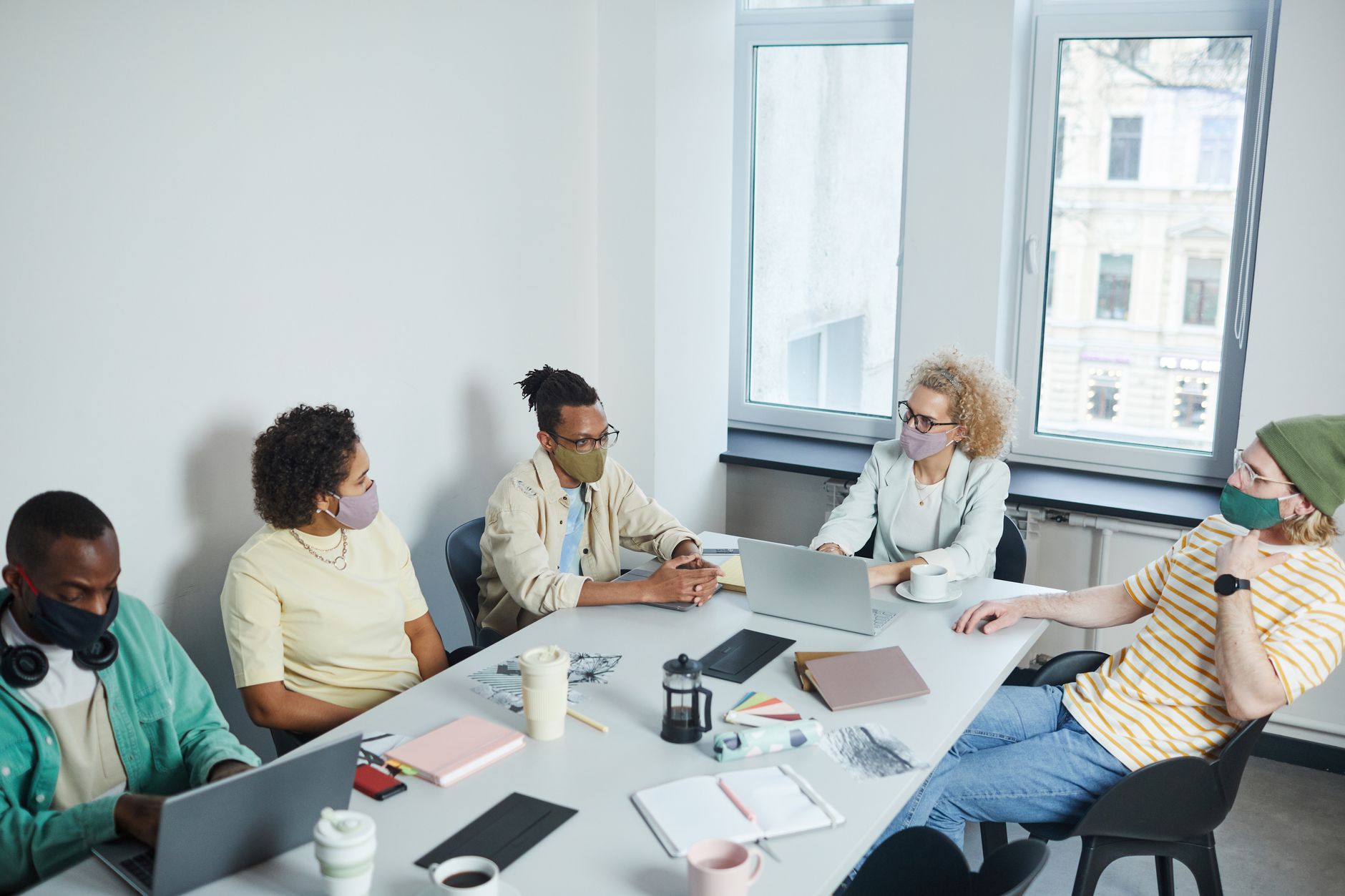
Not long ago, workplace debates about artificial intelligence revolved around replacement: which jobs would disappear first. That framing has largely given way to a more productive question — how can people and intelligent systems accomplish more together than either could alone? Organizations across industries now treat AI as a colleague rather than a competitor, pairing machine speed with human judgment. The result is a hybrid team, a structure in which responsibilities are divided according to the distinct strengths of each side. Understanding how to design, manage, and refine that dynamic has become a core leadership skill rather than a futuristic curiosity.
Why Hybrid Teams Outperform Fully Automated Workflows
The evidence for collaboration over automation stretches back further than most people realize. After chess software began defeating grandmasters, freestyle tournaments revealed something surprising: a skilled human working with a computer consistently beat both lone machines and lone humans. The same logic applies in modern workplaces. AI systems process enormous volumes of data, detect subtle patterns, and never tire, but they can produce confident errors and lack genuine context. Humans bring ethical reasoning, empathy, and creative leaps, yet struggle with scale and consistency. A well-designed hybrid team covers each side’s weaknesses — software flags risks and drafts options, while people verify outputs and make calls that carry real consequences.
Defining Clear Roles for People and AI Systems
Ambiguity is the enemy of any hybrid setup. When nobody knows whether a task belongs to a person or a system, work gets duplicated or dropped entirely. The most effective teams map every recurring process and assign ownership deliberately rather than by habit. A useful starting point is sorting tasks by their core demands — volume and speed on one side, nuance and accountability on the other. The categories below offer a practical framework for that sorting exercise.
| Area of work | AI handles best | Humans handle best |
| Data and analysis | Processing large datasets, detecting patterns | Interpreting results in a real-world context |
| Content creation | Drafting routine documents and summaries | Refining tone, accuracy, and final approval |
| Monitoring | Continuous tracking and anomaly alerts | Investigating flagged issues and responding |
| Decision-making | Supplying analysis and recommendations | Strategic, ethical, and accountable choices |
| Customer interaction | Answering routine questions at scale | Resolving sensitive or unusual cases |
The framework is easy to spot in practice. When a player uses the VerdeCasino login, automated systems handle the high-volume side — verifying credentials and flagging unusual account activity in real time — while people retain the nuanced work of managing disputes, compliance checks, and player-wellbeing safeguards. It is a clean split between machine speed and human accountability.
Tasks That Artificial Intelligence Handles Best
Systems built on machine learning thrive where scale, repetition, and pattern recognition matter more than nuance. Typical candidates include:
- Processing and categorizing large datasets in seconds;
- Drafting routine documents, summaries, and first-pass content;
- Monitoring operations continuously and flagging anomalies;
- Personalizing recommendations based on behavioral data.
Handing these tasks to software frees people for work that genuinely requires them.
Decisions That Belong to Human Judgment and Empathy
Some responsibilities resist automation because they depend on values, relationships, or accountability. Strategic direction, hiring, conflict resolution, and ethical trade-offs all fall into this group. Clients and colleagues also expect a person to answer for outcomes that directly affect them. A healthy hybrid team makes these decisions with people while letting AI supply the analysis behind them. The machine informs; the human decides and takes responsibility for the result.
Real-World Examples of Human-AI Collaboration That Work
Digital entertainment platforms follow the same layered approach, pairing automated account monitoring with human-led compliance and player-protection work. In each case, automation handles scale and speed, and people supply judgment and care.
Practical Steps to Build a Stronger Hybrid Team Dynamic
Shifting from theory to practice requires deliberate sequencing rather than a wholesale overhaul. Teams that succeed usually follow a measured rollout like this one:
- Audit existing workflows to identify repetitive, data-heavy tasks.
- Pilot AI tools on one contained process before scaling further.
- Train employees on prompting, output verification, and tool limits.
- Establish review protocols so a person validates every AI output.
- Track cycle time, error rates, and employee satisfaction, then adjust.
Treat the first pilot as a learning exercise rather than a finished product. Gather feedback from the people doing the work, document what breaks, and refine role boundaries before expanding. Small, honest iterations build trust far faster than ambitious launches that stumble publicly.
Where Human Insight Meets Machine Intelligence
The strongest teams of the coming years will not be those with the most advanced software, but those that most deliberately combine machine efficiency with human judgment. Clear roles, structured oversight, and honest measurement turn AI from a source of anxiety into a genuine partner. Start small: pick one workflow this week, test a hybrid approach, and evaluate the results openly.