
Pest Control in Virginia Is Changing Fast, and Homeowners Are Paying Attention This Spring
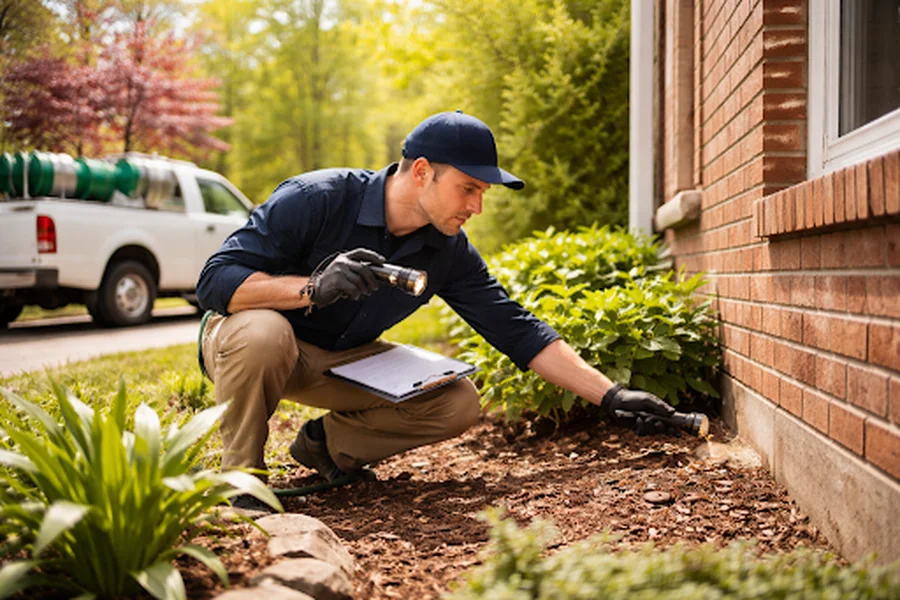
Virginia homeowners are not imagining it. Spring pest activity is starting earlier, lasting longer, and showing up in places that used to stay quiet until deeper into the season. That shift is why spring pest control now matters more than a one-time spray or a quick fix. A smart spring plan starts before pests settle in, especially when moisture, warmth, and yard activity begin to pull insects closer to the home. This season, more households are paying closer attention to what is changing and why it matters.
Why Spring Feels Different for Pest Activity in Virginia
Spring used to bring a predictable wave of ants, termites, and mosquitoes. Now, the pattern feels less tidy. Milder winter conditions and an earlier warm-up can push pest activity forward, which means homeowners often notice movement before they expect to. The National Pest Management Association warned in March 2026 that ants, termites, mosquitoes, and ticks were already on the move as spring approached.
That matters in a state like Virginia, where coastal humidity, wooded neighborhoods, crawl spaces, and mixed seasonal weather all create a strong setup for pest activity. Many common Virginia pest problems are tied to moisture, shelter, and easy entry points around the home. Once spring rain and rising temperatures arrive together, pests do not need much encouragement.
Which Pests Are Drawing the Most Attention This Spring
A few pests tend to dominate spring conversations in Virginia because they affect homes in different ways.
Ants: Ants are often the first sign that seasonal activity has started. They move in when they find food, water, or tiny openings near windows, foundations, pipes, and door thresholds. Early colony growth in spring can turn a small nuisance into a persistent issue by early summer. That is one reason homeowners searching for an exterminator for ants often act sooner than they used to.
Termites: Spring is also termite season in much of the region. Swarmers tend to appear when colonies mature and conditions support movement and reproduction. In Virginia, this is especially important for homes with wood-to-soil contact, damp crawl spaces, or poor drainage. EPA notes that termites cause billions of dollars in structural damage each year, and property owners spend more than $2 billion annually on treatment.
Quick Fact: EPA says termites cause billions in structural damage every year, and U.S. property owners spend over $2 billion on treatment.
Mosquitoes: Mosquito problems often begin quietly. A few overlooked containers, clogged gutters, or damp areas in the yard can become breeding sites fast. Virginia Tech notes that removing standing or stagnant water is the key to mosquito control. That sounds basic, but it remains one of the most useful spring steps for homeowners.
Ticks: Ticks have become a bigger concern for many families because the issue is not just comfort, it is also health. The Virginia Department of Health warns that ticks can spread several diseases that affect humans, and Lyme disease remains one of the state’s best-known tick-borne risks. Homes near brush, tree lines, or leaf litter need to be watched closely in spring.
What Is Changing in Homeowner Behavior
Homeowners are not just reacting to pests. They are changing how they think about prevention. More people now want practical, low-stress systems instead of waiting for a visible infestation. That is where pest control trends are shifting. Prevention, monitoring, and home-condition fixes are getting more attention than emergency-only treatment. EPA’s guidance on integrated pest management supports that approach by focusing on inspection, prevention, monitoring, and targeted action rather than relying on chemicals alone.
Signs of that shift include:
- Checking crawl spaces, gutters, and foundations earlier in the season
- Paying more attention to moisture problems
- Cleaning yard edges and reducing leaf buildup
- Sealing small gaps around doors, utility lines, and screens
- Looking for long-term pest management instead of one-time reactions
A Better Spring Pest Prevention Checklist for Virginia Homes
Good prevention does not have to feel overwhelming. It works best when the steps are simple and consistent.
Start outside first
Pest pressure often begins around the home before it shows up inside.
- Trim shrubs and branches away from the siding
- Keep mulch and heavy ground cover from touching the foundation
- Clear leaves from gutters and low spots
- Store firewood away from the house
- Fix standing water around outdoor containers, toys, and planters
Pro Tip: If you only do one outdoor task this week, remove standing water. It is one of the fastest ways to reduce mosquito breeding around the home.
Then move indoors
Inside the home, pests look for three things: food, water, and shelter.
- Fix leaky plumbing and damp areas under sinks
- Store pantry items in sealed containers
- Vacuum crumbs from baseboards and behind appliances
- Check weatherstripping and door sweeps
- Watch crawl spaces and basements for excess moisture
Do you know? EPA recommends trying prevention first by removing food, water, and shelter before turning to heavier pest treatments.
What Virginia Homeowners Should Watch for This Spring
Here is a simple way to match common spring pests with the conditions that attract them.
| Pest | What Attracts It | Early Warning Sign | Best Early Step |
| Ants | Moisture, crumbs, entry gaps | Trails near kitchens or windows | Seal entry points and remove food sources |
| Termites | Damp wood, wood-to-soil contact | Swarmers, mud tubes, hollow wood | Reduce moisture and inspect vulnerable wood |
| Mosquitoes | Standing water | Increased activity near dusk | Empty containers and improve drainage |
| Ticks | Brush, leaf litter, shaded edges | Tick sightings on pets or clothing | Clear yard edges and reduce ground cover |
The point is not to panic. It is to spot patterns earlier. That is what makes spring pest prevention more effective than a last-minute reaction.
Why Seasonal Plans Matter More Than One-Time Fixes
One big lesson from recent pest control trends is that pests do not follow a homeowner’s calendar. They follow conditions. A wet crawl space, warm wall void, cluttered garage, or shaded mulch bed can keep activity going even after a quick treatment.
That is why seasonal pest management works better as a home-care habit. It gives people a way to stay ahead of shifting activity instead of responding after pests are already established. It also fits the larger move toward practical spring pest control routines that support the whole property, not just the problem spot that happens to be visible today.
For many households, this means treating pest prevention the same way they treat HVAC checks, gutter cleaning, or yard drainage. It becomes part of seasonal upkeep. That mindset is especially useful when dealing with recurring Virginia pest problems tied to moisture and changing temperatures.
Key Takeaways
- Spring pest control matters more now because spring activity can begin earlier than many homeowners expect.
- Common pest problems this season include ants, termites, mosquitoes, and ticks.
- Current pest control trends show a clear shift toward prevention, monitoring, and moisture control.
- Strong seasonal pest management starts with small home-maintenance steps done early.
- Smart spring pest prevention is less about panic and more about paying attention to conditions around the home.
Last Thoughts
Spring in Virginia still brings familiar pests, but the timing and pressure are changing enough that homeowners are noticing. Ants show up sooner, termites stay a serious concern, mosquitoes build fast around standing water, and ticks remain a real outdoor risk. A thoughtful spring pest control routine now starts with observation, moisture control, and simple prevention steps that make the home less inviting before problems grow. The homeowners paying attention this season are not overreacting. They are adjusting to how pest activity is changing and building smarter habits around it.
FAQs
Why is spring pest control so important in Virginia?
Because many pests become active as temperatures rise and moisture increases. Spring is when ants, termites, mosquitoes, and ticks often begin moving closer to homes.
What are the most common Virginia pest problems in spring?
The most discussed spring issues include ants, termites, mosquitoes, and ticks, especially around damp areas, shaded yards, crawl spaces, and foundations.
What does seasonal pest management actually mean?
It means preventing pest issues through regular inspection, moisture control, sealing entry points, and timely action throughout the year instead of waiting for a full infestation.
How can homeowners improve pest prevention without making it complicated?
Start with drainage, standing water, food storage, leak repair, gutter cleanup, and sealing small openings. Simple steps done early are often the most useful.
If spring pests are becoming a repeat issue, it may be time to review what is attracting them in the first place. A careful home inspection, moisture check, and a practical insect control service plan can help homeowners make better decisions before small spring activity turns into a larger seasonal problem.