
Stress Management Techniques That Actually Work Daily
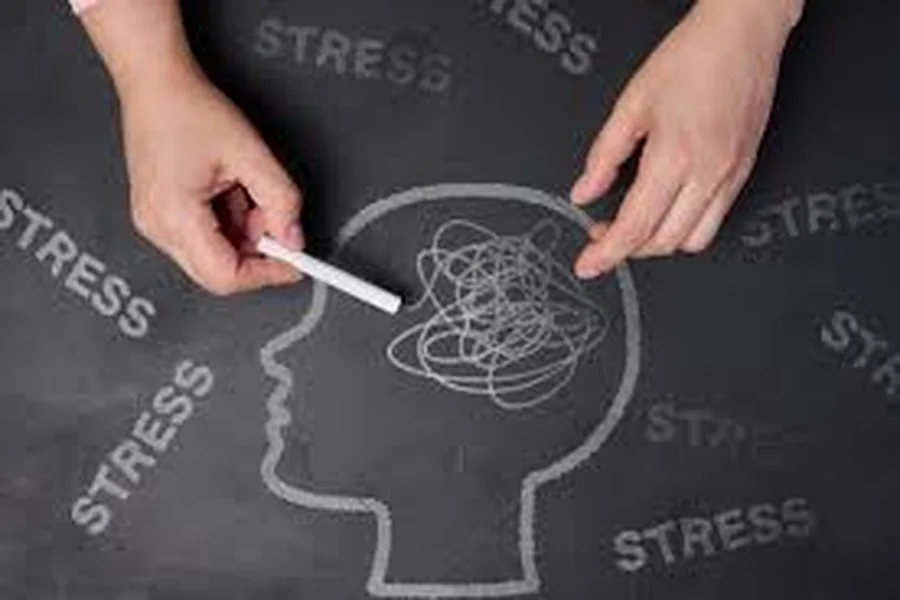
Stress Management Techniques That Actually Work are essential in today’s fast-moving and often overwhelming world. Stress is a natural response to challenges, but when it becomes constant, it can affect both physical health and mental well-being. Many people struggle to find effective ways to manage stress, often trying quick fixes that provide only temporary relief.
The key to managing stress is not eliminating it completely—that’s unrealistic—but learning how to handle it in a healthy and sustainable way. By adopting practical strategies and building positive habits, you can reduce the impact of stress and improve your overall quality of life. This article highlights proven techniques that can help you stay calm, focused, and in control.
Understanding the Root Causes of Stress
Before managing stress effectively, it’s important to understand where it comes from. Stress can arise from various sources, including work pressure, financial concerns, relationships, and personal expectations.
Sometimes, stress is triggered by external factors such as deadlines or responsibilities. Other times, it comes from internal pressures like perfectionism or fear of failure. Identifying the root cause helps you address the problem more effectively instead of just treating the symptoms.
Awareness is the first step toward change. By recognizing your stress triggers, you can develop strategies to avoid or manage them. Keeping a journal or reflecting on stressful situations can help you identify patterns and better understand your responses.
Understanding that stress is a normal part of life also makes it easier to approach it with a balanced mindset rather than feeling overwhelmed. Browse content at pressvibepulse com.
Practicing Mindfulness and Relaxation Techniques
Mindfulness is one of the most effective ways to manage stress. It involves focusing on the present moment without judgment, allowing you to become more aware of your thoughts and emotions.
Simple practices like deep breathing, meditation, or even mindful walking can help calm the mind and reduce stress levels. These techniques slow down your thoughts and help you regain control over your emotions.
Relaxation techniques such as progressive muscle relaxation or listening to calming music can also be beneficial. They help release physical tension and promote a sense of calm.
Consistency is key when it comes to mindfulness. Even a few minutes a day can make a noticeable difference over time. The goal is to create a habit that helps you reset and recharge regularly.
By incorporating mindfulness into your routine, you can improve focus, reduce anxiety, and handle challenges more effectively.
The Role of Physical Activity in Stress Relief
Physical activity is a powerful tool for managing stress. Exercise not only improves physical health but also has a significant impact on mental well-being.
When you engage in physical activity, your body releases endorphins, which help improve mood and reduce stress. Activities like walking, jogging, yoga, or dancing can provide immediate relief and long-term benefits.
Exercise also helps reduce the levels of stress hormones in the body. It provides a healthy outlet for releasing tension and frustration.
In addition, regular physical activity improves sleep quality, which is closely linked to stress levels. Better sleep leads to better emotional resilience and overall well-being.
You don’t need intense workouts to see benefits. Even moderate activities done consistently can help manage stress effectively.
Managing Time and Setting Priorities
Poor time management is a common source of stress. When tasks pile up and deadlines approach, it can feel overwhelming. Learning how to manage your time effectively can significantly reduce stress.
Start by prioritizing your tasks. Focus on what is most important and break larger tasks into smaller, manageable steps. This makes work feel less intimidating and more achievable.
Creating a daily or weekly schedule can help you stay organized. Planning ahead allows you to allocate time for both work and relaxation.
It’s also important to set boundaries. Taking on too many responsibilities can lead to burnout. Learning to say no when necessary is an important skill for maintaining balance.
Avoiding procrastination is another key factor. Delaying tasks often increases stress. Tackling them early can help you stay in control and reduce pressure.
Building Healthy Lifestyle Habits
Your daily habits play a major role in how you handle stress. A healthy lifestyle provides a strong foundation for emotional and physical well-being.
Proper nutrition is essential. Eating balanced meals helps maintain energy levels and supports overall health. Avoid excessive caffeine or sugar, as they can increase anxiety and disrupt sleep.
Sleep is equally important. Lack of sleep can make stress harder to manage. Aim for consistent, quality rest to improve your mood and focus.
Social connections also matter. Spending time with friends and family provides emotional support and helps reduce feelings of isolation.
Taking breaks and making time for hobbies can also help you relax and recharge. Engaging in activities you enjoy creates a sense of balance and fulfillment.
By building healthy habits, you create a lifestyle that naturally supports stress management.
Seeking Support and Professional Help
Sometimes, stress can become overwhelming despite your best efforts. In such cases, seeking support is important.
Talking to someone you trust can provide relief and perspective. Sharing your thoughts and feelings helps you process them more effectively.
Professional help, such as counseling or therapy, can offer valuable tools and guidance. Mental health professionals can help you develop personalized strategies to manage stress.
There is no shame in asking for help. In fact, it is a sign of strength and self-awareness. Addressing stress early can prevent it from becoming more serious.
Support systems play a crucial role in maintaining mental well-being. Whether it’s friends, family, or professionals, having someone to rely on can make a significant difference.
Final Thought
Stress Management Techniques That Actually Work are not about quick fixes—they are about building sustainable habits that support your overall well-being. Stress is a part of life, but it doesn’t have to control your life.
By understanding your triggers, practicing mindfulness, staying active, managing your time, and maintaining healthy habits, you can handle stress more effectively. Each small step contributes to a stronger, more balanced mindset.
The journey to better stress management is personal and ongoing. What works for one person may not work for another, so it’s important to find strategies that suit your lifestyle.
In the end, managing stress is about creating a life that feels balanced, meaningful, and manageable. With the right approach, you can turn challenges into opportunities for growth and resilience.
FAQs
What are effective stress management techniques?
Effective techniques include mindfulness, exercise, time management, healthy habits, and seeking support when needed.
How does exercise help reduce stress?
Exercise releases endorphins, improves mood, and reduces stress hormones, helping the body and mind relax.
Can stress affect physical health?
Yes, chronic stress can lead to issues like headaches, fatigue, and weakened immunity.
How can I manage stress at work?
Managing stress at work involves prioritizing tasks, taking breaks, and maintaining clear communication.
When should I seek professional help for stress?
You should seek help when stress becomes overwhelming, persistent, or starts affecting daily life.