
What Influences the Quality and Appeal of Premium Cannabis Flower
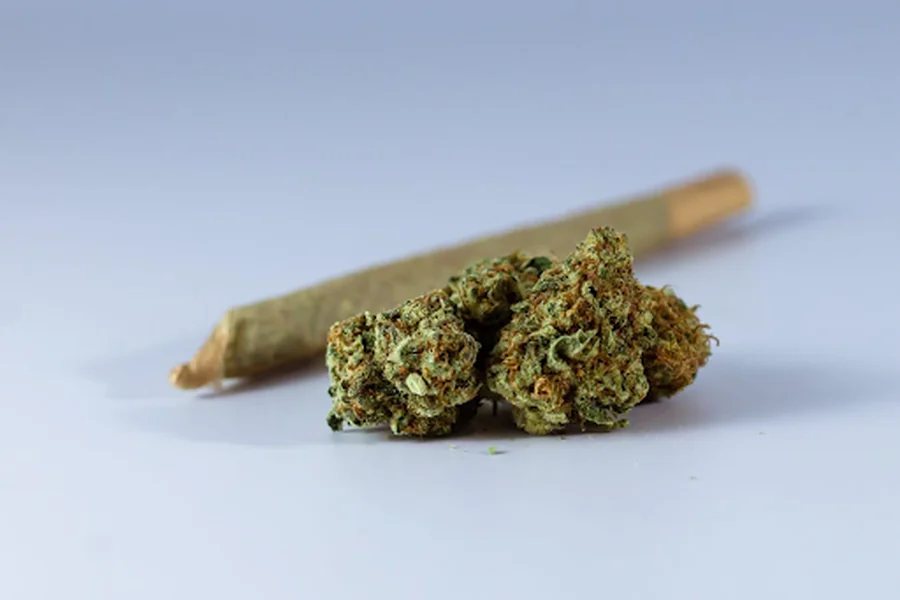
If you’ve ever bought cannabis flower, you may have noticed that two jars labeled with the same strain name can look, smell, and feel very different. One may have a sweet, pleasant aroma and well-preserved buds, while the other may smell burnt or stale and crumble easily.
However, there isn’t just one reason for these differences. Several factors contribute to the quality and appeal of premium cannabis flower. The disparity comes from everything that happens between when the plant is harvested, dried, and processed and the moment you buy it. Every step either helps maintain the flower’s quality or causes it to deteriorate, reducing its overall appeal.
By understanding these key factors, you’ll be better able to identify high-quality cannabis flower and understand what helps preserve its quality.
Here’s what to look for in premium cannabis flower:
1. Genetics and Phenotype Selection
Quality begins with the plant’s roots. Genetics influence bud density, resin production, aroma, and color. The name of a strain indicates its genetic background, but not necessarily the specific plant it comes from.
That is where phenotype hunting comes into play. Growers begin with numerous seeds from the same cross, grow them out, and select individual plants with the most desirable characteristics. A winning plant can then be maintained through cuttings (clones), which produce plants that are genetically identical to the original.
If a cultivar is known for dense, frosty buds, plants grown from the same selected clone may display similar characteristics across batches. For quality consistency, always buy carefully selected strains such as Wedding Cake Littles Brands 28 Grams from reputable brands that provide third-party lab reports.

2. Growing Environment
The environment in which plants grow is just as important as their genetics. Growers can carefully control light, temperature, humidity, and airflow in indoor and greenhouse environments, helping promote consistency in the flowers. Outdoor flowers can also be excellent, but their quality depends more heavily on weather conditions.
Nutrition is another important factor. Whether a grower uses living soil, an organic growing program, or hydroponics, the goal is to produce a healthy plant without overfertilizing it, which can affect the final product’s quality and taste.
Clean growing conditions also help prevent damage and reduce the risk of unwanted residues or contamination from pests and mold.
Additionally, light deserves particular attention. Too little light can affect plant development, while excessive heat can damage the plant and affect its aroma. Experienced growers maintain relatively stable conditions throughout production.
3. Harvest Timing and Trichome Development
The timing of harvest affects the quality of cannabis flower. Trichomes are the tiny resin glands that contain cannabinoids and terpenes, contributing to a bud’s appeal. When they are abundant and intact, they can indicate good resin development.
Growers frequently examine trichomes under magnification as they change color from clear to cloudy and, eventually, amber. Harvesting too early or too late can affect the flower’s cannabinoid and terpene profile.
Handling also matters. Trichomes are fragile, and rough trimming, handling, or packaging can cause them to break off, reducing the amount of resin retained on the buds.
Many growers harvest when most trichomes are cloudy, while some wait until a portion has turned amber. These choices can influence the flower’s final characteristics, meaning different growers may produce different results.
4. Drying and Curing
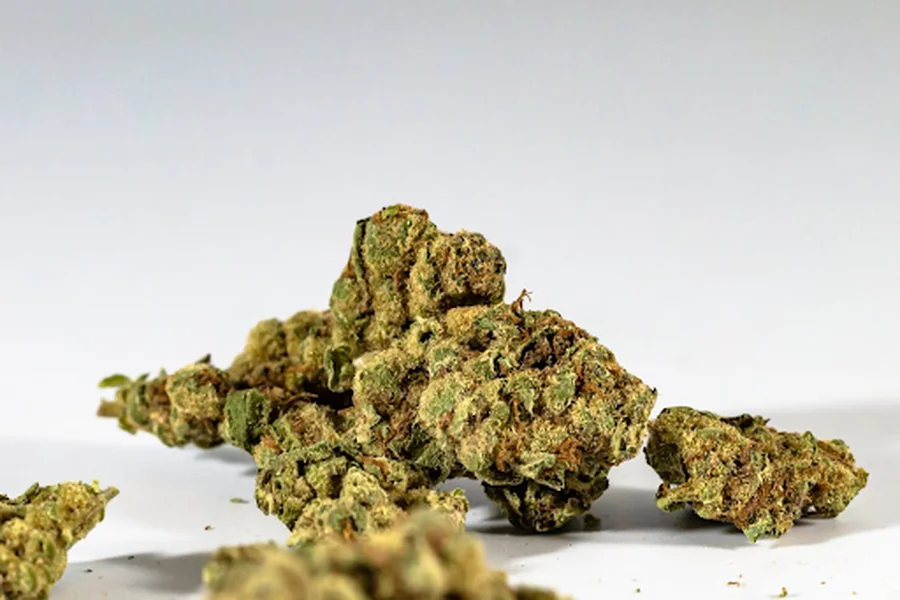
Many high-quality plants lose their quality after harvest due to improper drying and curing. Drying should be slow and controlled, with moisture removed over approximately a week or longer, depending on the buds’ size and density. Drying too quickly can affect texture and cause the loss of aromatic compounds.
Curing comes next. Buds are placed in suitable containers under controlled humidity, often around 60%, and monitored regularly. During this stage, the flower’s aroma and flavor can develop as it stabilizes.
A well-cured bud should have a fresh, characteristic aroma. A persistent hay-like smell may indicate inadequate curing or the loss of some aromatic compounds.
Containers must also be managed carefully to prevent excess moisture from building up and creating conditions for mold. Curing may last two weeks or longer, and some growers believe that slower curing helps preserve or improve the aroma.
5. Aroma and Terpenes
Terpenes contribute to the aroma and flavor of cannabis and play a significant role in a flower’s appeal. Myrcene is often described as earthy or musky, limonene as citrusy, and caryophyllene as spicy or peppery.
Cannabis aroma can influence how people evaluate a product, sometimes more than its stated THC percentage alone. That’s because a high THC percentage doesn’t automatically mean a product will have the aroma or overall qualities a consumer prefers.
If possible, assess the aroma in person or by reading reviews when shopping. The complexity and character of the fragrance can provide useful information beyond the number on the label.
6. Appearance
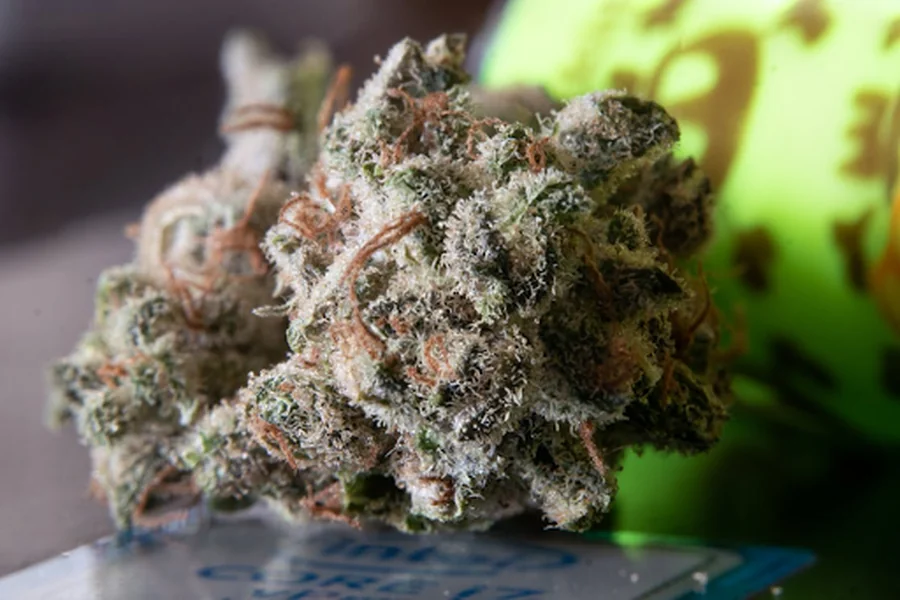
Cannabis flower can vary in color, with shades of green and sometimes purple, alongside orange or reddish pistils. Faded, yellowed, or brown areas may indicate age, poor storage, or other quality issues, although color alone cannot confirm the flower’s condition.
Some cultivars produce dense, tight buds, while others naturally have a looser, airier structure. In either case, the flower should look reasonably well-preserved and free of visible mold or contamination.
Well-trimmed buds have minimal excess leaf and stem material. They are also not excessively brittle, damp, or unusually spongy. But be careful not to squeeze buds unnecessarily when inspecting them, as excessive handling can damage delicate trichomes.
7. Storage and Freshness
Even the best flower can lose quality over time. Check for a harvest or packaging date, where available, and consider how long the product may have been stored.
To maintain quality, keep flower in an airtight container away from excessive heat, light, and moisture. Appropriate humidity-control products can help maintain more stable conditions when used correctly.
Avoid cannabis flower with a persistent musty odor, visible mold, or signs of dampness that raise concerns about contamination. Return it to the seller where possible, or dispose of it safely.
Conclusion
Premium cannabis flower is the result of numerous careful steps. It starts with Strong genetics, a controlled growing environment, timed harvest, and careful drying and curing, all of which contribute to its quality. How it’s processed, stored, and packaged also determines the aroma and its look when it arrives at your doorstep.
So, when shopping, look for this important information to gauge the quality of your cannabis flowers. When buying online, it can be impossible to inspect the item, so look for customer reviews to get insights from real users.
You can save yourself a lot of trouble by sticking to reputable sellers. Established brands often source their raw materials from trustworthy suppliers and follow strict production standards to maintain quality. They may also provide third-party lab reports to support their quality claims. Once you purchase the flower, proper storage is equally important for maintaining its quality.