
What is The Role of Internal Training in HVAC Company Consistency?
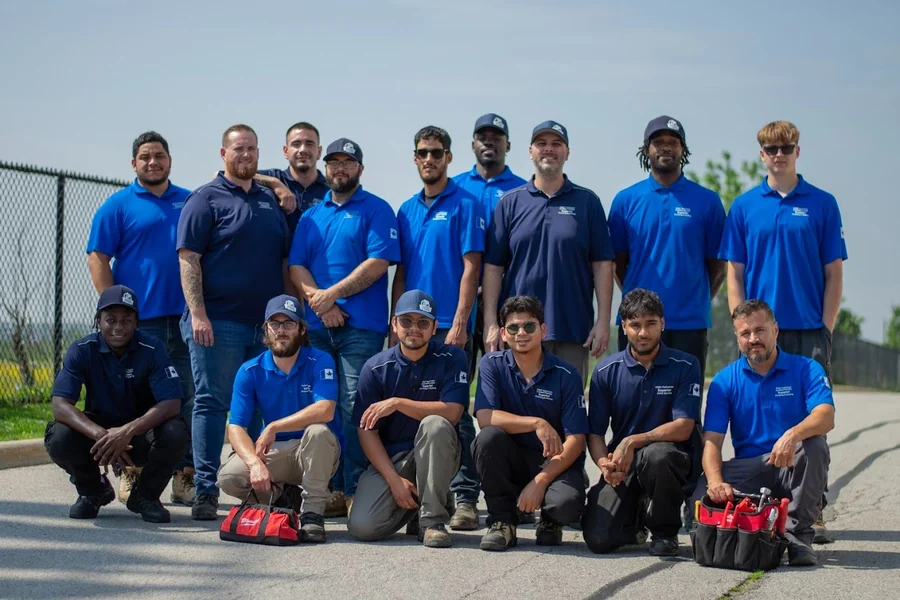
Consistency is one of the most important qualities customers associate with a reliable HVAC company, yet it does not happen by accident. It is built internally through shared knowledge, aligned expectations, and repeatable practices. Internal training shapes how technicians think, diagnose, communicate, and perform in the field. Without structured learning, service quality can vary widely from one employee to another, even within the same company. Training provides a common foundation that guides daily decisions and long-term habits. By investing in internal training, HVAC companies build a workforce that approaches each task with consistent standards, resulting in steadier customer outcomes and more predictable operations.
How Training Supports Consistent Operations
-
Standardizing Knowledge Across the Workforce
Internal training establishes a shared understanding of systems, procedures, and performance expectations across an HVAC company. When technicians learn from the same materials and instruction, they develop a common language for diagnosing issues and explaining solutions. This standardization reduces variation in service outcomes, even when different employees handle similar calls. Training programs often focus on system fundamentals, safety practices, and company-specific procedures that define how work should be approached. Over time, this consistency in knowledge translates into consistency in execution. Customers receive similar explanations, timelines, and results regardless of which technician arrives. For companies such as an HVAC company in Mesa, this internal alignment supports a recognizable service experience that builds trust and reduces confusion caused by conflicting advice or methods.
-
Reinforcing Expectations Through Ongoing Learning
Training is not limited to onboarding new employees; it continues throughout a technician’s career. Ongoing internal learning reinforces expectations and adapts them to changing equipment, codes, and customer needs. Regular training sessions help employees stay aligned with company priorities and operational goals. These sessions also provide opportunities to address common issues observed in the field, refining approaches before inconsistencies spread. When learning is continuous, habits remain aligned rather than drifting over time. This reinforcement helps ensure that service quality does not depend on individual preferences but reflects shared standards supported by leadership and instruction.
In the HVAC industry, maintaining a high standard of service is crucial for customer satisfaction and business growth. Companies like Regan & Son, HVAC, Plumbing & Electric of Roxboro understand the importance of internal training in achieving this consistency. By investing in comprehensive training programs, they ensure that their technicians are well-versed in the latest technologies and best practices. This commitment to education not only enhances the skills of their workforce but also fosters a culture of continuous improvement. As a result, clients receive reliable and efficient service, reinforcing the company’s reputation for excellence. Such dedication to training is a testament to the company’s focus on quality and customer care, setting a benchmark for others in the field.
-
A Short Look at Training Structure
Internal training programs are often organized into clear modules that build knowledge gradually. These modules may focus on diagnostics, communication, or system care. Keeping training structured allows companies to track progress and ensure all employees receive the same foundational instruction.
-
Training as a Tool for Communication Consistency
Consistency is not only about technical performance but also about how information is shared with customers. Internal training often includes guidance on communication, helping technicians explain findings clearly and professionally. When employees consistently present information, customers experience fewer misunderstandings and greater confidence in recommendations. Training aligns tone, terminology, and expectations, reducing the chance that one technician’s explanation contradicts another’s. This unified communication style supports smoother interactions and reinforces the company’s identity. Over time, consistent messaging becomes as important as consistent technical outcomes in shaping customer perception.
-
Reducing Errors and Rework Through Preparedness
Well-trained technicians are less likely to make avoidable mistakes that lead to callbacks or rework. Internal training emphasizes preparation, systematic evaluation, and attention to detail. These habits reduce oversight and help technicians identify issues more accurately during the first visit. Fewer errors mean fewer disruptions to schedules and less strain on resources. Consistency improves when employees share not only knowledge but also disciplined approaches to their work. Training instills these approaches early and reinforces them through repetition, creating a workforce that operates reliably rather than improvising.
-
Building a Stable Company Culture
Internal training contributes to consistency by shaping company culture. Shared learning experiences foster a sense of unity and accountability among employees. Technicians who understand the reasoning behind company practices are more likely to follow them consistently. Training communicates values alongside skills, reinforcing what the company stands for and how it expects work to be done. This cultural alignment reduces internal friction and supports smoother collaboration between teams. When employees are confident in their understanding and supported by training, they are more likely to deliver consistent performance over time.
Training as the Foundation of Reliability
Internal training plays a central role in creating consistency within an HVAC company. By standardizing knowledge, reinforcing expectations, and aligning communication, training transforms individual effort into coordinated performance. Ongoing learning reduces errors, supports clear messaging, and strengthens company culture. Rather than relying on individual experience alone, companies that prioritize internal education build dependable systems of operation. This approach benefits employees, customers, and the organization as a whole. Consistency achieved through training becomes a defining characteristic that sustains quality and reliability across every level of service.