
What to Expect From AC Repair in New York: A Homeowner’s Guide
When the air conditioner quits in the middle of a humid New York summer, most people want one answer fast: how soon can someone come and fix it? Services like eco-service.com connect residents with vetted local technicians across the city, but before you book, it helps to know what a professional service visit looks like, which repairs are most common, and how to make sure the job is done right.
Before You Call: Three Quick Checks
Many no-cooling calls have a simple cause. First, make sure the thermostat is set to “cool” and below room temperature. Second, check the circuit breaker and the outdoor disconnect box near the condenser. Third, look at the air filter: a filter clogged with city dust can restrict airflow enough to freeze the coil. If the unit hums without starting, or you see ice on the copper line, turn the system off and call a technician, because running it can damage the compressor.
How a Service Visit Works
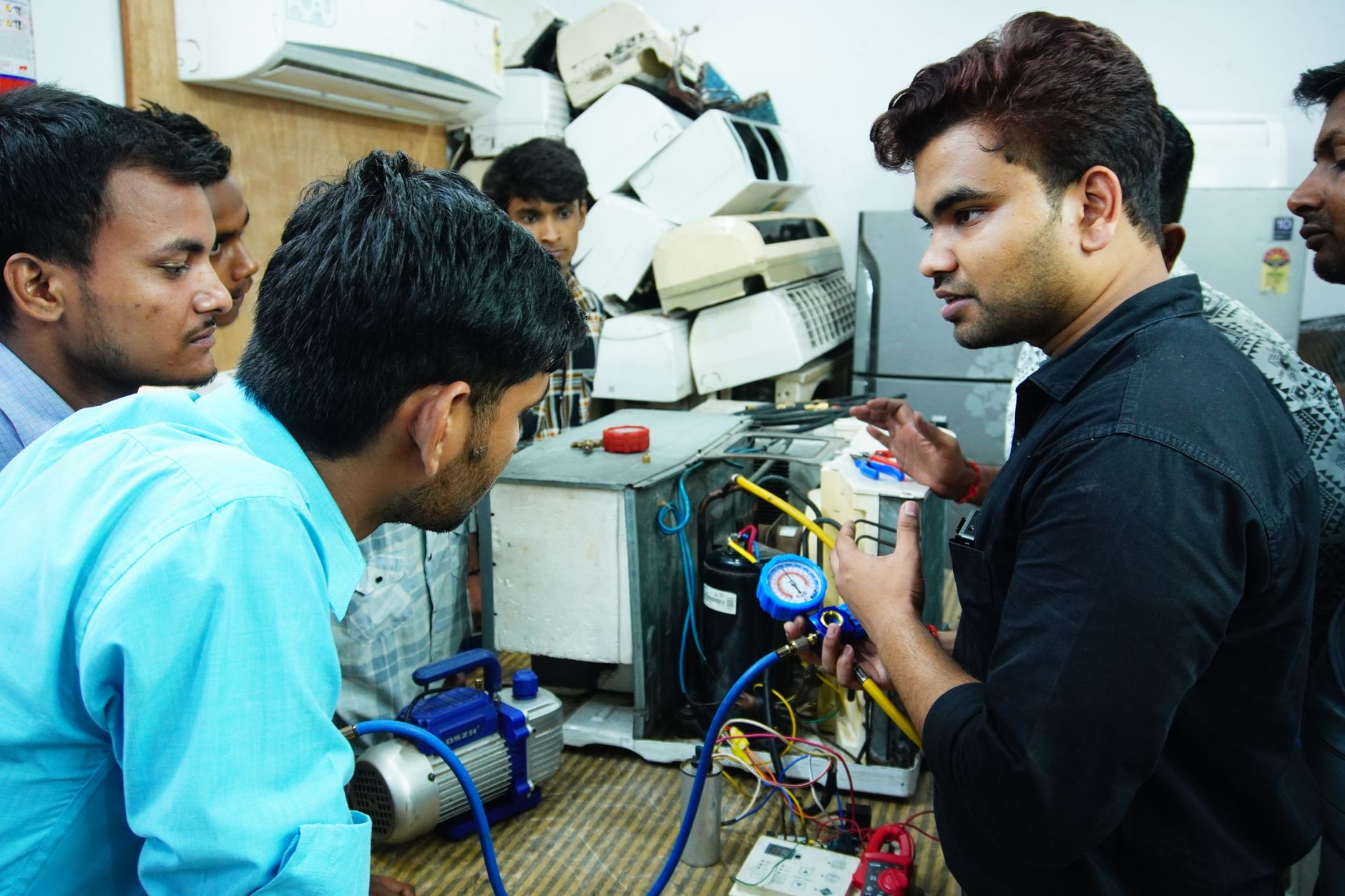
With Eco-Service, requests are accepted 24/7, and for urgent jobs a vetted local pro can often arrive in about 60 minutes. The visit starts with a full diagnostic: the technician checks refrigerant pressures, tests the capacitor and contactor, measures fan motor amp draw, and verifies thermostat calibration. You then get a clear explanation of the problem and the repair plan before any work begins. Technicians carry OEM-spec parts for major brands, so most repairs take 60 to 90 minutes and are finished in a single visit. Afterward, the system is tested to confirm it is cooling properly.
Repairs Technicians Handle Most Often
- Capacitor replacement: the most common cause of an AC that hums but will not start.
- Refrigerant leak repair: technicians use electronic sniffers and UV dye to find even tiny leaks, then seal and recharge the system.
- Contactor and fan motor replacement: worn parts that stop the outdoor unit from running.
- Thermostat calibration: fixes inaccurate temperatures and short cycling.
- Drain line cleaning: stops water leaks and musty smells.
Every Type of Unit, Every Borough
New York homes use a wide mix of cooling equipment, from window units in Brooklyn brownstones to mini-splits and PTACs in Manhattan high-rises. Local pros work on central air, ductless mini-splits, window units, through-the-wall units, and PTACs from brands like Carrier, Trane, Lennox, Mitsubishi Electric, Daikin, and LG. Service covers Manhattan, Brooklyn, Queens, the Bronx, and Staten Island, seven days a week, including evenings, weekends, and holidays.
Questions to Ask Your Technician
Any refrigerant work requires EPA Section 608 certification, so ask to see it. Ask for the warranty terms in writing, and make sure you understand exactly what will be repaired before work starts. These simple steps protect you and help ensure a lasting repair.
Keep It Running
An annual spring tune-up that includes coil cleaning, a filter change, and electrical checks catches weak parts before they fail. With regular care and a trusted technician on call, your home can stay cool all summer long.
Conclusion
A properly functioning air conditioning system is essential for staying comfortable during the hot and humid summer months in New York. When an AC unit suddenly stops cooling, makes unusual noises, leaks water, or struggles to maintain the desired temperature, addressing the problem quickly can prevent further damage and expensive repairs. Understanding the basic warning signs, performing simple troubleshooting checks, and knowing what to expect during a professional service visit can help homeowners make better decisions and avoid unnecessary stress.
Choosing an experienced and qualified AC repair technician is equally important. A professional should carefully inspect the system, identify the actual cause of the problem, explain the recommended repair options, and provide a clear estimate before starting any work. Homeowners should also check the technician’s qualifications, ask about warranties, and ensure that replacement parts meet the manufacturer’s specifications. These steps can help ensure that repairs are completed safely, efficiently, and correctly.
Regular maintenance is another important part of keeping an air conditioner in good condition. Cleaning or replacing air filters, keeping outdoor units free from debris, checking drainage lines, and scheduling annual professional inspections can improve airflow, support energy efficiency, and reduce the risk of unexpected breakdowns. Even small maintenance tasks can make a significant difference in the long-term performance and reliability of an AC system.
Ultimately, the best way to avoid major AC problems is to stay proactive rather than waiting until the system completely stops working. Pay attention to unusual signs, arrange timely inspections, and work with qualified professionals who prioritize reliable service and customer satisfaction.