
5 Tips to Avoid Common Mistakes When Sourcing Welding Equipment
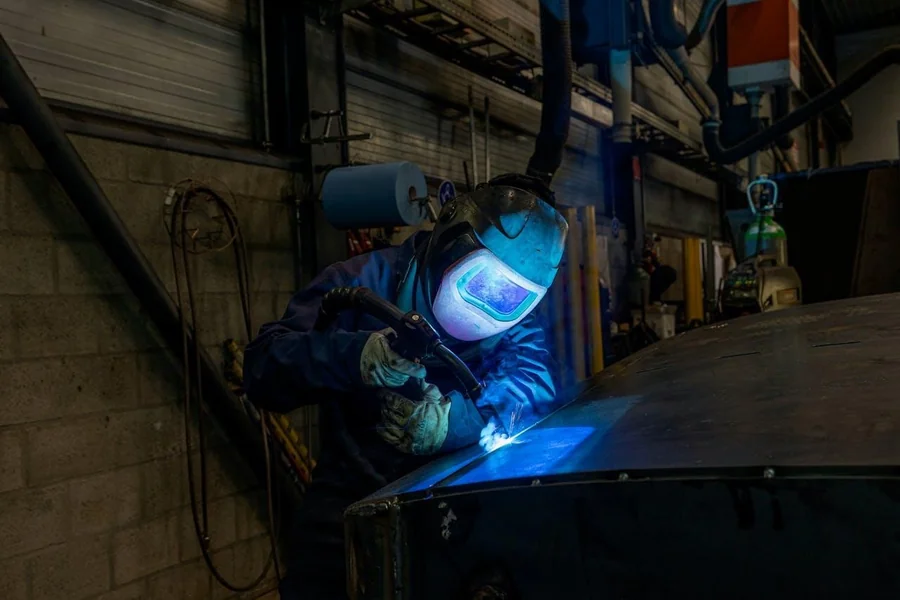
In the world of industrial fabrication and metalworking, the quality of your output is inextricably linked to the reliability of your tools. Sourcing welding equipment is a significant capital investment that requires a delicate balance of technical knowledge, long-term planning, and financial strategy. Many businesses, however, fall into the trap of making impulse purchases or focusing solely on the initial sticker price, only to face performance bottlenecks or compatibility issues later down the line.
To ensure your shop remains productive and safe, it is vital to approach the procurement process with a structured mindset. Here are five tips to help you avoid the most common pitfalls when sourcing new welding gear.
1. Prioritize Brand Reliability and Technical Support
One of the most frequent mistakes is opting for “generic” or unverified brands to save on upfront costs. While a cheaper machine might perform well during a brief demonstration, industrial welding demands consistent duty cycles and the ability to withstand harsh environments. Generic machines often lack the internal heat-management systems found in professional-grade equipment, leading to premature failure during heavy-duty runs.
Working with an established Lincoln supplier provides a level of security that off-brand alternatives cannot match. Lincoln Electric is a gold standard in the industry, and sourcing from an authorized distributor ensures you are receiving genuine equipment backed by a manufacturer’s warranty. Furthermore, a specialized supplier can provide the technical expertise needed to match the machine to your specific applications, whether you are focusing on high-speed MIG production or precision TIG work.
2. Align Your Budget with Your Growth Strategy
Purchasing industrial machinery often creates a significant pull on a company’s liquid assets. Many business owners make the mistake of under-speccing their equipment—buying a machine that handles current needs but fails to accommodate future growth—simply to stay within a rigid cash-flow window.
Modern businesses are increasingly leveraging flexible financial tools to avoid this “scaling trap.” Using an easy online platform like Lamina allows operations to manage the cost of high-end equipment upgrades without depleting their emergency reserves. By utilizing smart digital platforms to organize your procurement finances, you can afford the higher-amperage machines or multi-process welders that your business will actually need eighteen months from now. Having the right financial infrastructure in place ensures that your technological progress isn’t throttled by immediate budget constraints.
3. Verify Power Compatibility and Infrastructure
It is surprisingly common for a shop to purchase a heavy-duty industrial welder only to discover upon delivery that their facility’s electrical grid cannot support it. Before finalizing any purchase from a lincoln supplier, you must audit your power supply.
Industrial machines often require three-phase power or specific voltage inputs (such as 460V or 575V) that are not standard in smaller commercial buildings. Furthermore, you must consider the “duty cycle” of the machine. If you plan on welding at high amperages for long durations, your electrical breakers and wiring must be rated to handle the sustained load. Consult with an electrician or your equipment representative to ensure your shop is “welder-ready” before the crate arrives on your dock.
4. Don’t Overlook the Cost of Consumables
The welder itself is only one part of the financial equation. A common oversight is failing to calculate the long-term cost of consumables, such as shielding gases, wire electrodes, and replacement tips. High-end machines often perform most efficiently when paired with specific, high-quality consumables.
When you are in the planning phase, ask your supplier for a “Total Cost of Ownership” breakdown. Cheaper machines sometimes use proprietary parts that are expensive and difficult to source, while established brands like Lincoln benefit from a vast global supply chain. Choosing a machine with readily available, competitively priced consumables will save your business thousands of dollars over the lifespan of the equipment.
5. Match the Machine to the Operator’s Skill Level
While it is tempting to buy the most advanced, feature-rich machine on the market, you must consider who will be operating it. A machine with a complex digital interface and hundreds of customizable parameters can actually decrease productivity if your staff isn’t trained to use it.
The ideal piece of equipment is one that offers “intuitive power”—advanced internal technology that simplifies the user experience. Look for features like “Synergic” controls, which automatically adjust voltage and wire feed speed based on the material thickness you select. This reduces the learning curve for newer welders and ensures consistent quality across different shifts, regardless of the operator’s individual experience level.
Building a Resilient Operation
Sourcing welding equipment is more than a transaction; it is a strategic decision that defines the capability of your workforce. By prioritizing reputable brands, utilizing modern financial platforms like Lamina to manage your investments, and ensuring your infrastructure is prepared, you create an environment where high-quality fabrication becomes the standard. Avoiding these common sourcing mistakes ensures that your shop remains a competitive, efficient, and profitable leader in the industry.