
When Pneumonia Throws You a Curveball: The Side Effects Nobody Warns You About
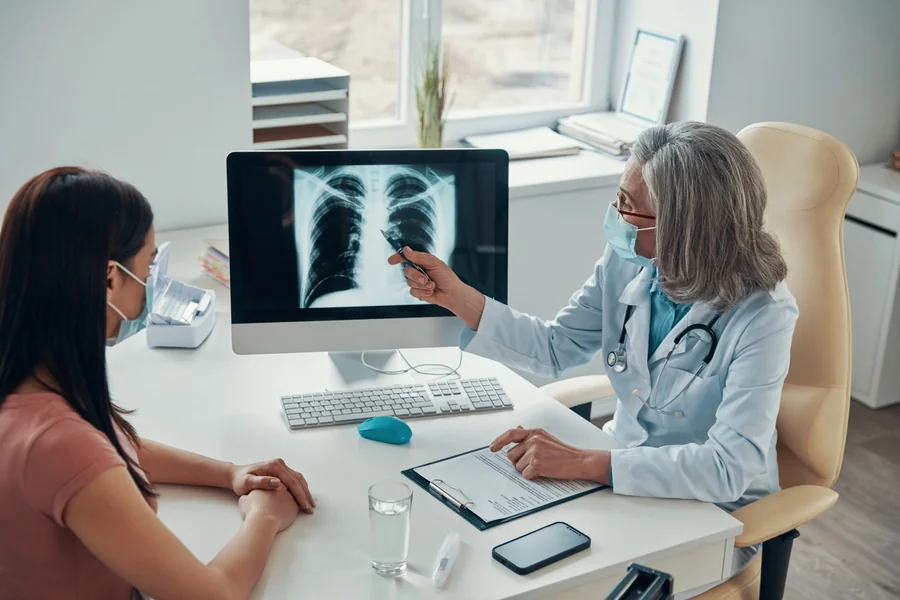
You probably know the usual suspects when it comes to pneumonia: the hacking cough, the fever that won’t quit, the feeling like someone’s sitting on your chest. But pneumonia doesn’t always play by the rules. Sometimes it sends your body down some truly bizarre paths that leave you wondering if you’re dealing with the same illness your doctor diagnosed.
Let’s talk about something that catches people off guard: back pain from pneumonia. Not just a little ache, but the kind of pain that makes you think you’ve thrown out your back lifting something heavy. It happens because the infection inflames the lining around your lungs, and that inflammation radiates to your back muscles and ribs. You might also feel it between your shoulder blades or in your lower back. It’s real, it’s common, and it’s one of those things that makes you question everything.
But back pain is just the beginning of pneumonia’s weird side effects.
Your Brain Gets Foggy (Or Worse)
Pneumonia can mess with your head in ways you wouldn’t expect. Some people develop what’s called pneumonia-related encephalopathy. Big word for brain dysfunction. You might find yourself confused about what day it is or where you are. Some people hallucinate. Others can’t focus on simple conversations or remember things that happened five minutes ago.
This happens because the infection triggers widespread inflammation throughout your body, including your brain. Low oxygen levels don’t help either. Your brain needs oxygen to function, and when pneumonia compromises your lungs, your cognitive abilities take a hit. Even after recovery, brain fog can linger for weeks or months.
Your Heart Decides to Join the Party
Here’s something that sounds unrelated but isn’t: pneumonia significantly increases your risk of heart attacks and strokes. We’re talking about a 4 to 6 times higher risk during the acute infection phase and even months afterward.
The inflammation from pneumonia doesn’t stay in your lungs. It circulates through your bloodstream, destabilizing plaques in your arteries and making your blood more likely to clot. Your heart also works harder when you’re fighting an infection, which stresses an already taxed system.
Some people develop pericarditis (inflammation around the heart) or myocarditis (inflammation of the heart muscle itself). You might notice irregular heartbeats or chest pain that feels different from typical pneumonia chest pain.
When Your Immune System Turns on Your Nerves
Now we get to one of the most unsettling complications: Guillain-Barré Syndrome. This rare but serious condition occurs when your immune system, fired up from fighting pneumonia, gets confused and starts attacking your peripheral nerves instead.
It usually starts with tingling in your feet and hands. Then weakness sets in. The weakness can progress rapidly, sometimes moving up your body and potentially affecting your breathing muscles. Some people need ventilators. Others need feeding tubes.
Guillain-Barré Syndrome most commonly follows respiratory or gastrointestinal infections, and certain types of pneumonia (particularly those caused by Mycoplasma pneumoniae) seem to trigger it more often. The good news? Most people recover, though it can take months and requires aggressive treatment, including plasma exchange or immunoglobulin therapy.
Your Joints Ache Like You’ve Got Arthritis
Joint pain and swelling can show up during or after pneumonia, even if you’ve never had arthritis. Your knees might swell. Your ankles could hurt. Sometimes multiple joints flare up at once, a condition called reactive arthritis.
This happens because:
- Inflammatory proteins circulate throughout your body
- Your immune system stays hyperactive
- Some bacteria can directly invade joint spaces
The joint symptoms usually resolve as you recover from pneumonia, but they can persist stubbornly in some cases.
Your Gut Revolts
Pneumonia medications get a lot of blame for digestive issues, and antibiotics certainly contribute. But the infection itself can wreak havoc on your digestive system.
Nausea, vomiting, and diarrhea are surprisingly common with pneumonia. You might lose your appetite completely. Some people develop a condition called ileus, where their intestines temporarily stop working properly. Food just sits there.
The gut-lung connection is real. Both organs share similar immune responses, and inflammation in one often affects the other.
Strange Skin Manifestations
Your skin can do weird things during a pneumonia episode. Some people develop rashes that look like targets or rings (erythema multiforme). Others get raised red bumps. Occasionally, severe pneumonia causes a condition called Sweet’s syndrome, where you develop painful skin lesions that look almost like burns.
These aren’t allergic reactions to medications. They’re inflammatory responses to the infection itself.
The Eye Connection Nobody Mentions
Blurry vision, eye pain, and light sensitivity can all accompany pneumonia. Some people develop conjunctivitis or even more serious eye inflammation. The same inflammatory processes affecting the rest of your body can affect the delicate structures in your eyes.
If you’re experiencing vision changes along with pneumonia symptoms, don’t ignore them.
When Your Kidneys Get Caught in the Crossfire
Pneumonia can damage your kidneys, even if you’ve never had kidney problems before. Severe infections cause acute kidney injury through dehydration, low blood pressure, and the toxic effects of widespread inflammation.
You might not notice kidney problems right away. Sometimes they only show up in blood work. Watch for decreased urination, swelling in your legs, or unusual fatigue beyond what pneumonia already causes.
The Exhaustion That Won’t End
Post-pneumonia fatigue deserves its own category. We’re not talking about being tired. We’re talking about bone-deep exhaustion that makes climbing stairs feel like summiting Everest. Some people can barely get through a shower without needing to rest.
This can last weeks or even months after the infection clears. Your body spent enormous resources fighting the infection, and recovery takes time. Pushing through it doesn’t help. Rest is medicine.
Pneumonia is more than a lung infection. It’s a whole-body experience that can affect virtually any organ system. Understanding these out-of-the-ordinary side effects helps you recognize when something unusual is happening and when you need to reach back out to your healthcare provider.
Your body is complex and interconnected. When pneumonia strikes, those connections become painfully obvious.