
The Vending Machine Reality Check: Is “Done-For-You” Actually a Good Deal?
Let’s be honest: the idea of a vending machine side hustle is addictive. It is the ultimate “lazy” business. You buy a box, stock it with snacks, and collect cash while you sleep. At least, that’s what the TikTok gurus want you to think while they’re filming in front of a rented Lamborghini.
Companies like DFY Vending have built their entire brand on this “Done-For-You” promise. They say they’ll find the location, ship the machine, and get you up and running. But if you’re about to drop $15,000 or $20,000 of your savings into an automated retail business, you need to know what happens six months after the contract is signed and the “new business” smell has worn off.
The $1,000 Revenue Trap (And the Math They Hide)
The biggest lie in the industry is focusing on “gross revenue.” You’ll see reviews bragging about $1,200 or even $1,500 months. And yeah, if your machine is in a 24-hour logistics hub, a massive hospital breakroom, or a busy transit station, it can do those numbers. Card readers and Apple Pay have made it way easier for people to impulse-buy a $3 energy drink without thinking twice. We live in a world where people don’t even look at the price if they can just tap their watch.
But sales aren’t profit. This is the “Aha!” moment that usually hits around month three. If you’re in a high-traffic spot like a high-end gym or a shopping mall, you aren’t there for free. You’re likely paying the venue a commission—usually 15% to 25% of every dollar that goes into the machine.
Then there’s the “COGS”—Cost of Goods Sold. Unless you’re buying in massive bulk from a wholesaler (which requires a truck and a garage to store it), you’re probably buying from Costco or Sam’s Club. That means your margins on a bag of chips might only be 40% to 50%.
Let’s do the “back of the napkin” math:
- Total Sales: $1,200
- Venue Commission (20%): -$240
- Cost of Food/Drink: -$500
- Credit Card Fees (4%): -$48
- Software/Telemetry Fees: -$20
- Actual Profit: $392
Suddenly, that $1,200 “boast” looks a lot more like a car payment than a ticket to early retirement. It’s a decent return on a single machine, but it’s not life-changing money. To quit your day job, you don’t need a machine; you need a fleet.
The “Warehouse Limbo” and the Location Game
The part no one mentions in the polished sales call? The wait. Finding a good location is brutal. It involves actual human beings—the DFY staff—negotiating with property managers who might take two weeks just to reply to an email only to tell them “no.”
I’ve seen plenty of people whose machines sat in a warehouse for four months because a “guaranteed” spot fell through at the last minute. If you’re a student or a side hustler, that’s thousands of dollars in capital just sitting in a crate doing absolutely nothing.
“Done-For-You” usually doesn’t mean “Done Fast.” If a company says they can place you in a week, you should probably be suspicious. They’re probably going to stick your expensive, high-tech machine in a dead laundromat, a dusty apartment complex basement, or a car wash where the only thing you’ll collect is spiderwebs and salt. A bad location is worse than no location because you’re still paying the monthly software fees to track a machine that’s making $10 a week.
The Pivot: Why Snacks are the “Old Way”
The real money in 2026 isn’t in Snickers bars and Diet Coke. That’s a race to the bottom. The real players are moving into “Automated Retail.”
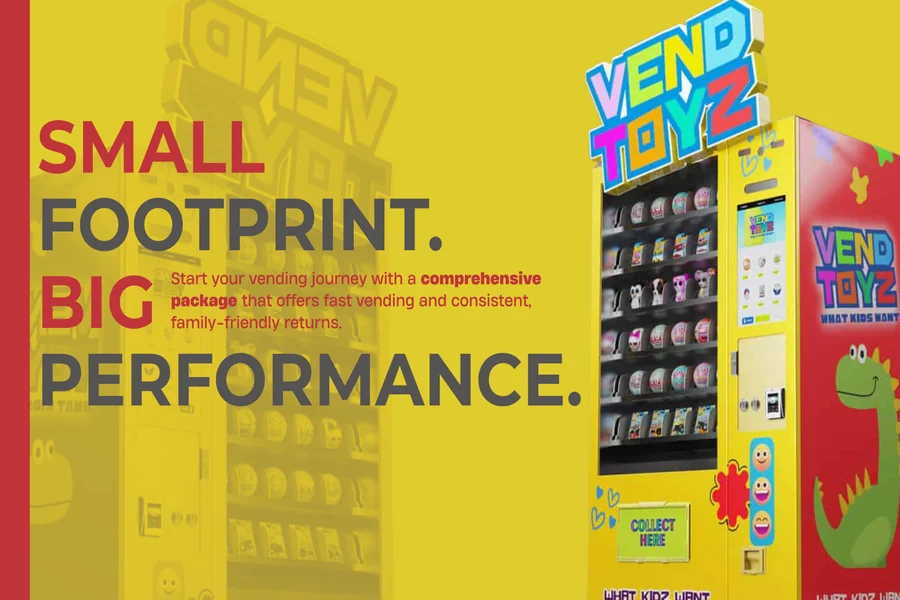
Look at what is happening in Japan or even high-end malls in the US. The “blind box” trend is exploding. Instead of selling a $1.50 candy bar with a three-month expiration date, these machines sell $20 collectible figures, mystery boxes, or even high-end tech accessories.
Think about the logistics: 1. No Expiration: You don’t have to throw away a “blind box” because it sat there for six weeks.
- Higher Margins: The markup on a collectible figure is significantly higher than on a bag of Cheetos.
- The “Gacha” Hook: There is a psychological element to mystery boxes. People will buy three or four in a row trying to get the “rare” one. You don’t get that with granola bars.
If your DFY provider is only talking about traditional vending, they’re stuck in the 90s. A machine selling NekoDrop-style collectibles doesn’t need a thousand people a day to make bank—it just needs five or ten enthusiasts. This is the difference between being a “vending guy” and owning a miniature retail storefront.

The “Passive” Myth and the Weekend Grind
Anyone calling this 100% passive is either trying to sell you something or has never actually owned a route. Someone has to fill the machine.
If you do it yourself, you are “The Vending Guy.” You are spending your Saturday morning dragging heavy cases of Gatorade through a parking lot, cleaning sticky soda spills off the glass, and clearing coin jams. If you hire a “route runner” or a third-party service to do the stocking, your profit margin—that $392 we talked about earlier—gets another massive haircut.
The people who actually scale this use telemetry apps to track their inventory in real-time. They aren’t guessing; they’re looking at data. They see that the Flaming Hot Cheetos sell out every Tuesday by 2 PM, so they adjust their route to hit that machine on Wednesday morning. If you try to “set it and forget it,” you’ll end up with an empty machine that stays empty for three days because you didn’t check your phone. An empty machine is a liability, not an asset.
The Hidden Costs: Vandalism and Tech Issues
We also need to talk about the “stuff happens” factor. Machines break. Bill validators get jammed with crumpled dollars. Touchscreens get cracked. If you’re in a “public” spot like a park or an outdoor mall, you have to worry about vandalism.
When you go the DFY route, you’re often paying for a warranty, but that doesn’t cover the lost revenue while the machine is down. If your machine is out of order for a week while you wait for a part, you aren’t just losing sales—you’re losing the trust of the people at that location. Once a customer gets their money eaten by a machine twice, they stop using it.
Is the DFY Model Actually Worth the Premium?
After all the skepticism, here is the truth: For most people, the DFY markup is actually worth it.
If you try to go it alone by buying a used machine on Facebook Marketplace or Craigslist, you’re probably buying someone else’s headache. You’ll end up with a literal heavy metal paperweight that doesn’t have a modern card reader, breaks every two weeks, and has zero tech support.
With a company like DFY Vending, you are paying a “stupid tax” upfront so you don’t have to pay it later. You’re paying for a machine that actually works, a software suite that tracks your sales, and—most importantly—the contract for the location. Scouting a location yourself as an individual is a nightmare. Most business owners won’t even talk to a “guy with one machine.” They want to deal with a professional entity.
The Final Word
Don’t go into this thinking it’s a magic money printer that will let you quit your job by Christmas. It is a slow-burn, legitimate business. It requires a lot of patience during the “Warehouse Limbo” phase and a very cold eye for the actual net numbers after everyone else (the mall, the tax man, the card processor) takes their cut.
If you treat it like a real business—focusing on high-margin items like collectibles, watching your data, and being patient with the setup—it’s a solid asset. But if you’re looking for a “get rich quick” scheme where you never have to lift a finger, you’re better off putting your money in an index fund. Vending is a game of nickels and dimes; you just have to make sure you’re the one keeping them.