
What Happens Behind the Scenes of Air Cargo Handling?
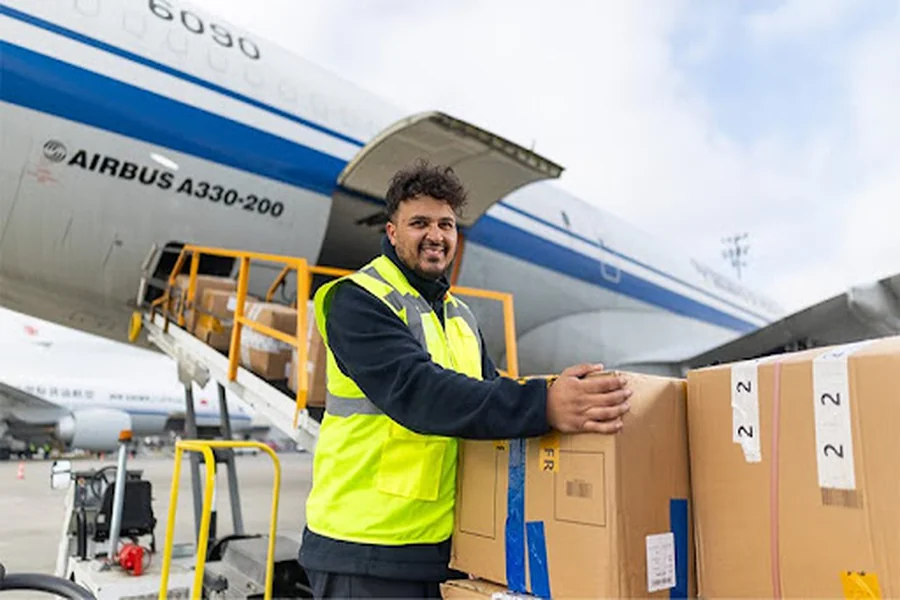
Behind the Scenes of a Fast-Moving Supply Chain
Air cargo moves at incredible speeds, but the real work happens long before an aircraft leaves the runway. Shipments pass through inspection, sorting, loading, and digital tracking in a matter of hours, supported by specialists who keep operations running safely and efficiently. Each step must be efficient, secure, and consistent with international aviation standards.
Join us as we break down what happens behind the scenes of general air cargo handling at SATS and how each stage keeps global shipments moving on time.
1. Cargo Acceptance and Inspection
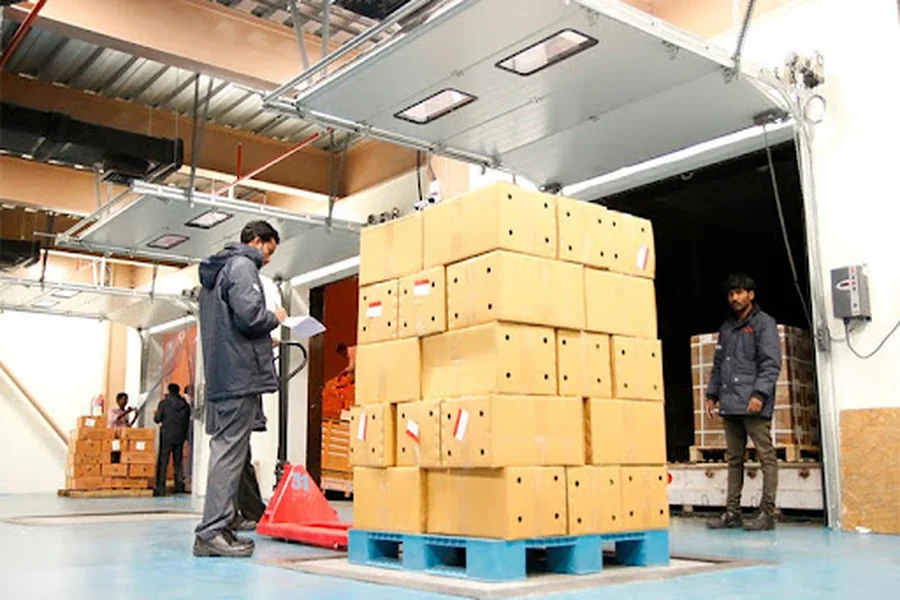
The journey begins at the cargo terminal, where shipments are officially received and verified. Ground teams document each item, review shipping declarations, and confirm that the cargo complies with aviation and customs regulations.
Our teams will also inspect packaging integrity, identify restricted or hazardous materials, and ensure that weight and dimensions match the submitted manifest. Temperature-sensitive cargo, such as perishables or pharmaceuticals, will also be examined and routed to the appropriate cooling or storage zone.
2. Sorting and Storage
After acceptance, goods enter the sorting phase. Here, cargo is categorised based on type, destination, handling requirements, and time sensitivity. For example:
- General cargo goes into standard storage racks.
- Perishables such as meat, fruits, or flowers are placed in temperature-controlled cold rooms.
- Hazardous materials must be separated and secured according to global safety standards.
- High-value goods are stored in secure, access-restricted areas.
During storage, our handlers monitor temperature, humidity, and dwell time, ensuring each product remains stable and ready for departure. Efficient sorting also supports accurate aircraft planning and prevents bottlenecks during loading.
3. Loading and Securing Shipments
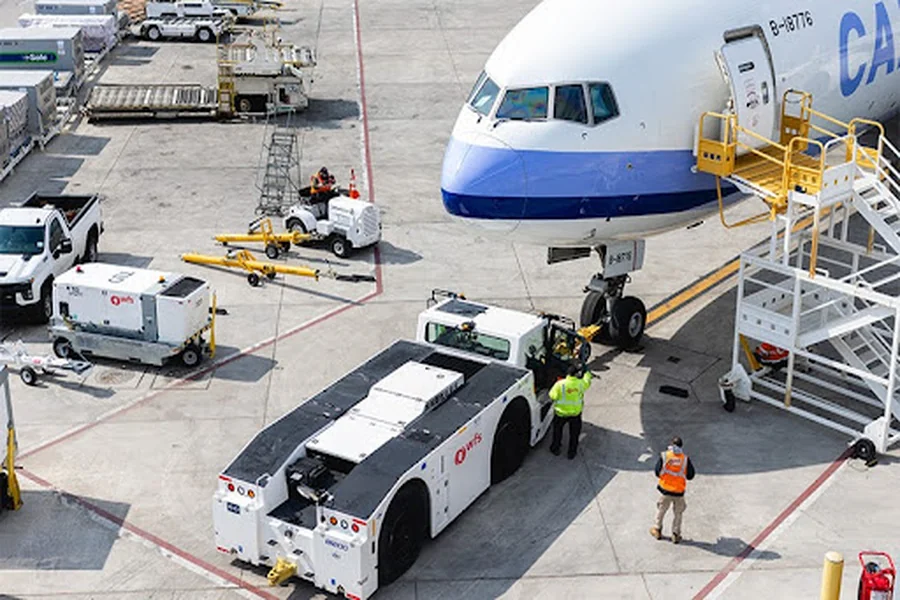
Loading is where precision is crucial. Trained cargo handlers use forklifts, container loaders, and specialised high-lifts to transfer goods from the warehouse to the aircraft. Every piece of cargo must be positioned safely and strategically.
Aircraft weight distribution is a critical safety factor. Operations teams calculate load plans to ensure the plane remains balanced throughout the flight. Pallets and containers are then secured using locks, nets, and restraint systems to prevent movement during take-off, turbulence, and landing.
This stage demands both speed and accuracy. Flights operate on tight schedules, so handlers must coordinate closely with ground crews and pilots to prepare aircraft for prompt departure.
4. Tracking and Coordination
Even after loading, the cargo journey is far from complete. Behind the scenes, digital tracking systems monitor each shipment’s movement, location, and condition as it travels through the supply chain. These platforms allow freight forwarders, shippers, and airlines to see real-time status updates, reducing uncertainty and making it easier to troubleshoot delays.
Coordination also involves synchronising aircraft schedules, warehouse operations, customs requirements, and connecting flights. Automated alerts help teams identify issues early, while integrated systems ensure that data flows seamlessly across all stakeholders. This combination of digital monitoring and human oversight keeps air cargo operations predictable, safe, and aligned with customer expectations.
Conclusion: Keeping Global Cargo Moving Smoothly
Behind every shipment is a network of skilled teams and interconnected systems working around the clock to keep supply chains resilient. From inspection and sorting to aircraft loading and real-time tracking, general air cargo handling is a controlled process that is both precise and efficient.
For organisations that want to strengthen their logistics capabilities, SATS is a trusted partner supporting airlines and businesses across global cargo networks. To explore how we keep goods moving worldwide, get in touch with us today.