
Common Soft Tissue Injuries in Sports And How to Avoid Them
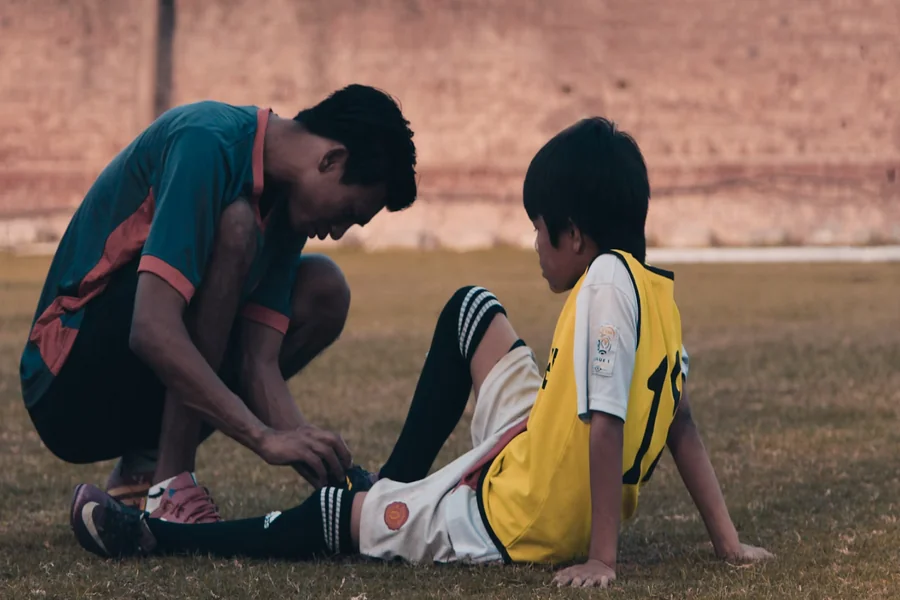
If you’re into any contact sports, then you know how frequent the injuries are. Healthy soft tissues are essential to stay in shape and pursue higher results in your favorite sports. Soft tissues are the most vulnerable and it’s very easy to damage them in a collision or if you fall, so even a small tear or inflammation can stop your training for weeks.
Soft tissue injuries make up nearly 70% of all sports-related medical issues. Such injuries are often caused by poor overtraining or preparation when you don’t put enough time into warm up and end up in a hospital with a huge medical bill. For amateur athletes it is extremely important to keep in mind that avoiding injuries is crucial for staying in-game for the long-term. Nobody wants to be put on hold for two weeks by a tear, right? Soft tissue injuries affect the body’s non-bony structures and happen when tissues are stretched beyond their capacity.
Understanding the main triggers for soft tissue injuries helps to adjust training before damage occurs. The very first thing to keep in mind if you want to prevent injuries from happening is that cold or stiff muscles tear very easily. To prevent this, try to have longer warm ups and never start heavy exercises right away. Don’t forget about fatigue and how dangerous it is for your progress and career. Training too frequently without a proper rest limits tissue repair capacity and chances for microtears. To avoid this, let your body rest and never train if you feel unwell. Another thing to concentrate on is stabilizer muscles like rotator cuffs or ankle evertors. Take a session or two of training targeting such muscles to prevent them from damage during peak loads.
When talking about training, we shouldn’t forget about technique. Incorrect technique or wrong exercises during strength training put a lot of stress on soft tissues. That’s why you should be in constant sync with your coach to avoid even small misalignment in technique and exercises. Don’t skip cooldowns and stretching because it will harm your progress and make recovery time longer. Good sleep contributes to recovery and heals inflammation so it is highly recommended to stick to quality sleep cycles and never allow long sleep disorders during high season and heavy training.
The Role Technology
Recovery technology in 2025 gives athletes a powerful advantage in injury prevention. Wearables track asymmetry, heart rate variability, and fatigue levels to predict when tissues are under strain. AI-driven platforms even suggest rest periods or alternative workouts to prevent overload.
There are lots of high tech products on the market that come handy in injury prevention for athletes and sports enthusiasts. Special compression boots help with blood circulation, cold therapy chambers allow athletes to survive the post-inflammation stage, while special sensors can flag fatigue or signs of overtraining. Many athletes also use gamified websites like 777fun to play between seasons. Some of them say that such interactive games keep them motivated and entertained.
Common Sports Injuries And How to Prevent Them
Each sport and movement pattern carries its own risks. Here are the most frequent injuries amateur athletes encounter:
1. Hamstring Strains
Such injuries are very common in sprinting and jumping sports. They occur when the muscle lengthens under load and cause sharp pain.
How to Prevent: Strengthen both hamstrings and glutes, do Nordic curls and include dynamic stretches before high-speed work.
2. Ankle Sprains
It’s one of the most frequent injuries across all sports when twisting the ankle inward stretches or tears the lateral ligaments.
How to Prevent: Balance training, single-leg drills and proper footwear will do the job.
3. Groin Pulls
Explosive side movements strain the inner thigh muscles. Tight adductors and weak core muscles are major contributors.
How to Prevent: Strengthen hip flexors and and perform side lunges and Cossack squats to increase flexibility.
4. Achilles Tendonitis
Overuse of the Achilles tendon causes inflammation and stiffness. It worsens with poor ankle mobility or weak calves.
How to Prevent: Progressive calf strengthening, mobility drills, and proper running form minimize risk. Avoid sudden spikes in training volume.
5. Shoulder Impingement and Rotator Cuff Tears
Repetitive movement narrows joint space, pinching the rotator cuff.
How to Prevent: Balance pushing and pulling exercises. Strengthen scapular stabilizers and avoid excessive internal rotation in gym workouts.
6. Golfer’s Elbow
Repetitive gripping or swinging irritates forearm tendons.
How to Prevent: Stretch forearms, use ergonomic grips, and strengthen wrist flexors and extensors with light resistance.
7. Knee Ligament Strains
Sudden direction changes or awkward landings stress the ACL, MCL, or meniscus.
How to Prevent: Emphasize glute activation, landing mechanics, and hamstring balance. Warm up with jump technique drills and lateral hops.
The Recovery Timeline
Soft tissue healing follows predictable biological stages and you can know exactly what happens on each stage. Day 0 to day 3 you can feel swelling, heat, and pain as the body removes damaged cells. Day 3 to day 21 collagen begins to form and replace the damaged tissues. Day 22 to 3 months you can expect the new tissue to strengthen along lines of tension.
Rushing this process risks reinjury so as excessive training during the recovery stage. If you decide to return to the game before full strength and mobility return this can be one of the biggest mistakes an amateur athlete can make. Instead, you should maintain light activity that keeps blood flowing without pain. A wise choice is using compression, gentle stretching and light mobility drills. When in doubt about when to get back to training, consult with your sports therapist to make sure things won’t go even worse.
Ignoring early discomfort often transforms a minor irritation into a chronic problem. And nobody wants that to happen, right? Learn to spot red flags before a tiny issue turns into a big problem. If you feel a persistent soreness that doesn’t go away after two rest days, that’s a big red flag. Swelling in a specific area for a couple of days is a reason to see your doctor. If you feel sharp pain during motion, stop your training and go see a therapist. If these symptoms persist, reduce load immediately and apply the RICE method: Rest, Ice, Compression, Elevation.