
What Causes Bare Patches In A Lawn And How Can You Fix Them
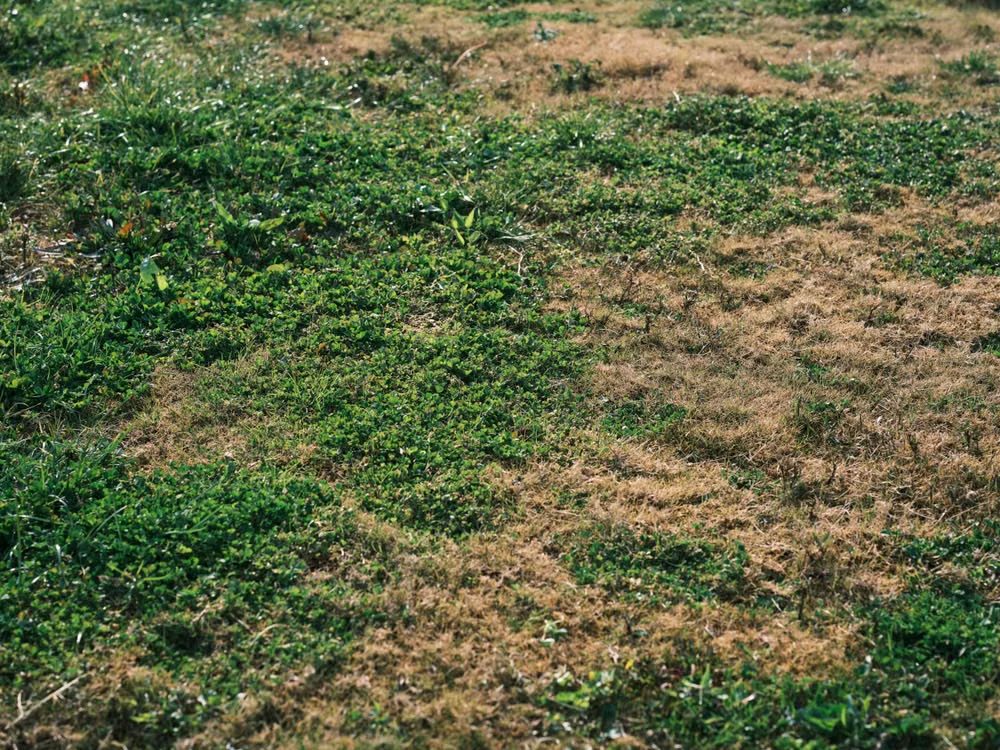
A bare patch can ruin the look of a healthy lawn. After winter, you may notice bare patches, grass dying along a sidewalk, or areas where grass refuses to grow. You try seeding, but nothing changes. That’s because missing grass often signals a bigger problem.
Common causes include compacted soil that restricts air and water movement, underground insect damage, shade, disease, pet urine, and chemical spills. If left untreated, these problems can worsen, making repairs harder. Even new grass may struggle to grow under the same conditions.
Fortunately, most bare spots can be fixed once you identify the cause. Adjusting watering or mowing may help, while others require soil preparation, aeration, or seeding.
Here’s how to identify the problem, choose the right solution, and help your lawn grow back thicker.
1. Compacted and Worn Soil
Compacted soil is a less obvious cause of bare spots. Heavy clay, foot traffic, mowing wet ground, and construction can compact soil, restricting root growth and water absorption. Over time, the grass thins.
Look for bare patches along paths, near gates, and around play areas. Another sign is standing water that doesn’t drain after rainfall. You can also try pushing a screwdriver into the soil. If it doesn’t go in easily, the soil may be compacted.
Core aeration can help loosen compacted soil. It removes small plugs of soil, allowing more air, water, and nutrients to reach the roots. This can improve growing conditions and encourage stronger root growth.
You may still need to reseed bare areas once conditions improve. Reputable lawn overseeding services can test the soil, identify issues such as compaction, and recommend the appropriate treatment.
2. Insects
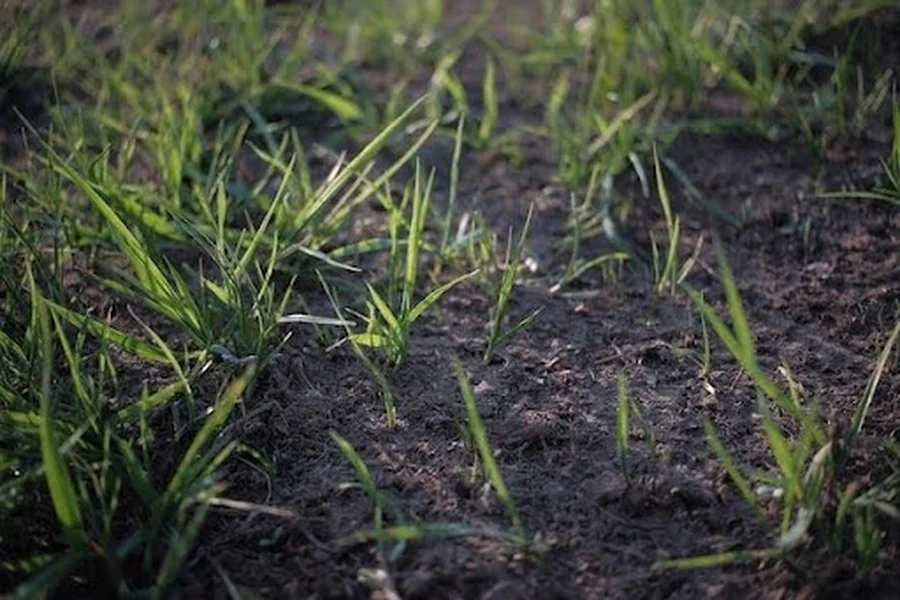
Lawn damage can start from pests below the surface, where it’s difficult to see. Beetles have a larval stage called grubs, which feed on grass roots underground. As more roots are damaged, the grass loses its grip on the soil and may lift easily, like a loose carpet.
Try a simple pull test. Gently tug on a patch of damaged grass. If it lifts easily and you find curled, white grubs underneath, insects may be the cause.
Many pests cause brown, yellow, or bare patches, including root feeders, blade chewers, and sap suckers, depending on your local conditions. So, proper pest management is necessary. But before treating the lawn, correctly identify the cause. This is where an expert can help identify the pest and recommend the right treatment.
3. Lawn Diseases
Fungal diseases can also cause bare spots. Spring dead spots, for example, affect bermudagrass, leaving bleached patches in spring after fungi damage roots and stems during fall and winter. The damage may go unnoticed until the rest of the lawn turns green.
Aeration and reseeding can improve affected areas when conditions are conducive to growth. However, these steps won’t eliminate grubs or cure a fungal disease. Effective treatment starts with accurate disease identification, followed by tailoring the right treatment to the damaged grass.
4. Shade, Mowing and Watering Mistakes
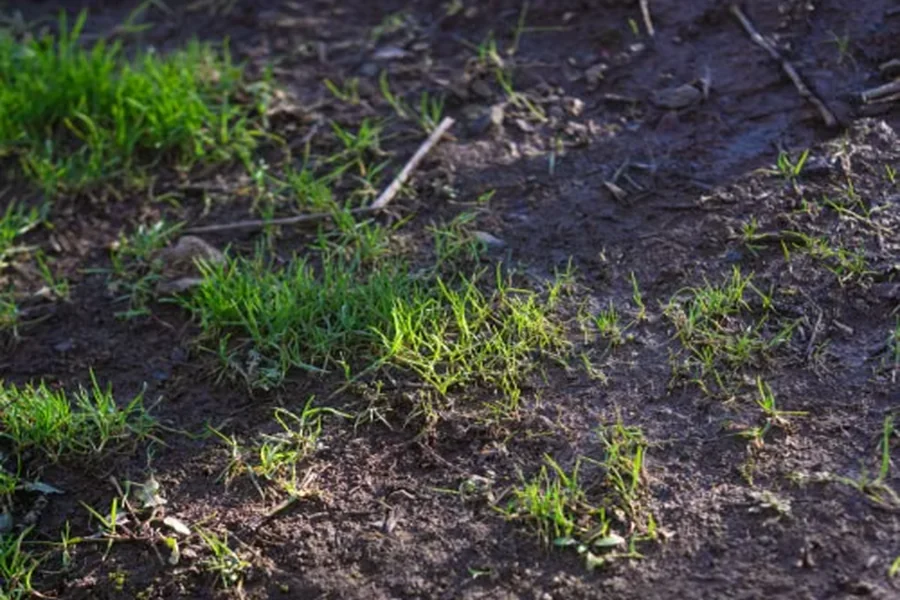
Grass needs enough sunlight to grow well. Areas with shade that receive too little direct sunlight may thin out or die over time, especially when the lawn contains grass varieties that need full sun. If you have big shade, plant grass varieties that tolerate partial shade better. In very shady spots, a non-grass ground cover may be a better choice.
Cutting grass too short, or scalping, can also cause damage because it removes too much leaf tissue at once and weakens the plant. Avoid removing more than 1/3 of the grass blade in a single mowing to avoid causing stress.
Watering the wrong way can also cause bare patches in your lawn in either direction. Too little water dries out the roots, while too much leaves the soil overly wet and can encourage disease. Instead, watering deeply a few times a week in the morning can help prevent further damage.
5. Pet Urine, Spills, and Chemical Burns
Concentrated dog urine can damage grass because it contains high levels of nitrogen and other compounds. Chemical spills can also cause similar damage. Applying excess fertiliser, weed killer, fuel, and oil can kill grass and leave bare patches behind.
If you notice a fresh pet urine spot, watering the area may help dilute the urine. However, if a chemical spill occurs, follow the spill-handling instructions on the product label rather than automatically pouring water over it. Some chemicals can spread or cause further damage if handled incorrectly.
Once the conditions are set, remove the dead grass and prepare the soil before reseeding. Remember to check any product restrictions and recommended waiting periods first, as chemical residues can prevent new grass from growing.
Conclusion
Bare spots can have several causes, and missing grass is often a symptom of a bigger problem. Whenever you spot any of these issues, check the soil, examine the roots, and first look at the shape and location of the damaged area. Identifying the cause correctly and applying the right treatment can help prevent the problem from returning.
Prevention matters, too. Mow at the correct height, water deeply without keeping the soil constantly wet, and address pest and disease problems early. Regular aeration can improve growing conditions when soil compaction is an issue. Once the underlying problem has been addressed and conditions are suitable, thin areas can be filled in with overseeding or slit seeding.
If the same area keeps failing season after season, reach out to a lawn care professional who can assess the problem and recommend the right treatment.